


TL;DR
- An injured Australian opener makes a successful return to the team lineup.
- The batter scores a crucial 60 not out against a challenging, “spicy” pitch.
- This performance keeps the Fire in contention as they face off against the Rockets.
A Gritty Return to the Crease
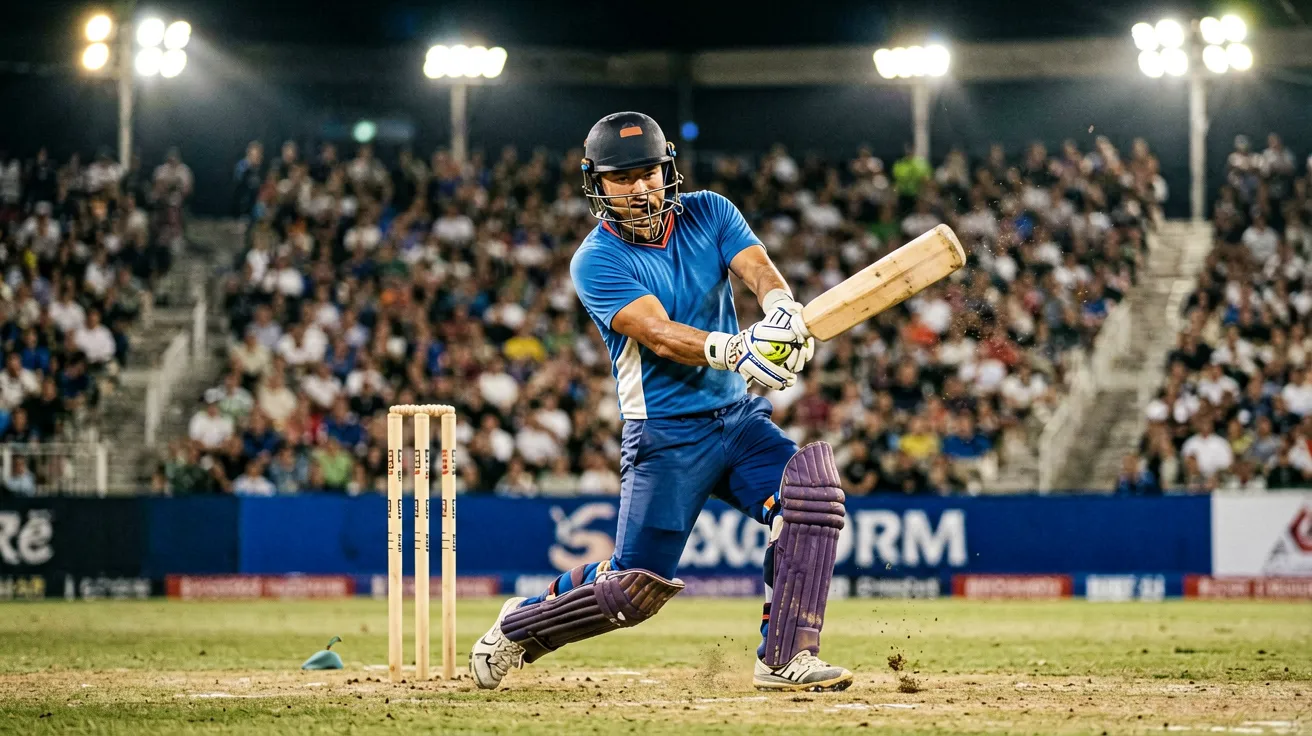
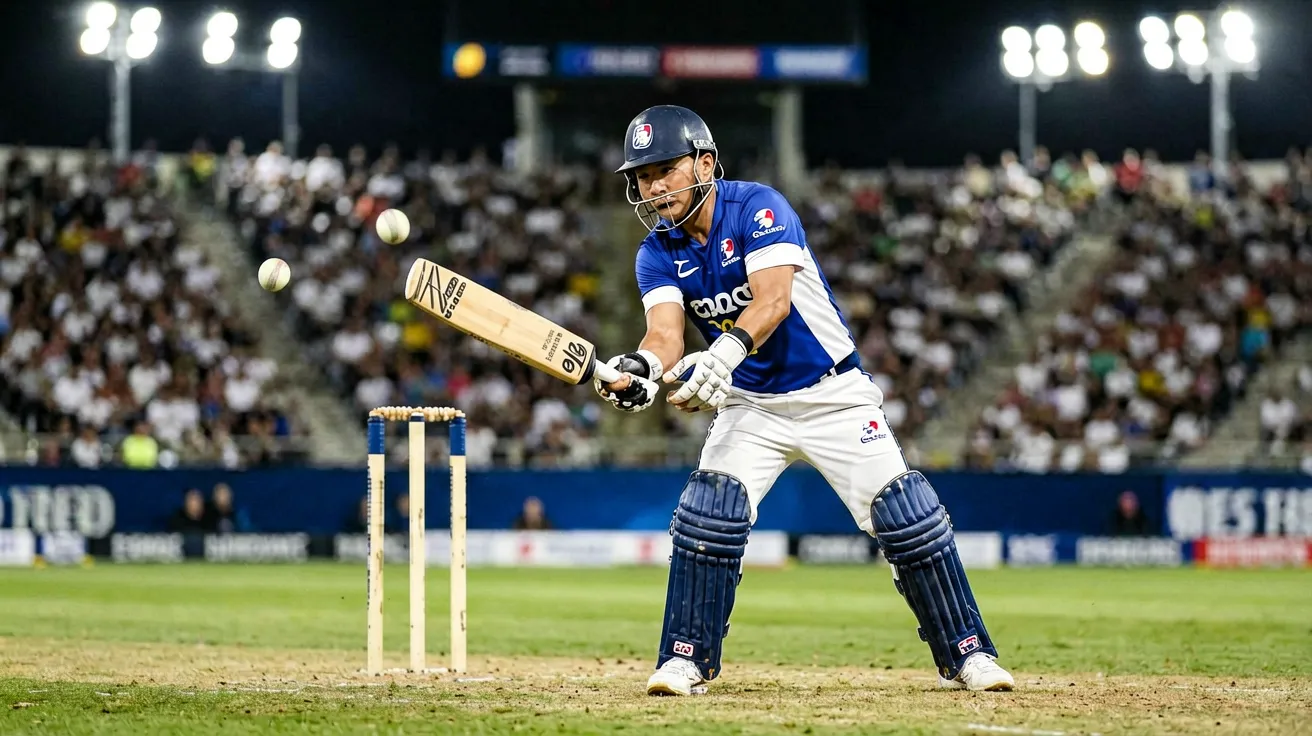
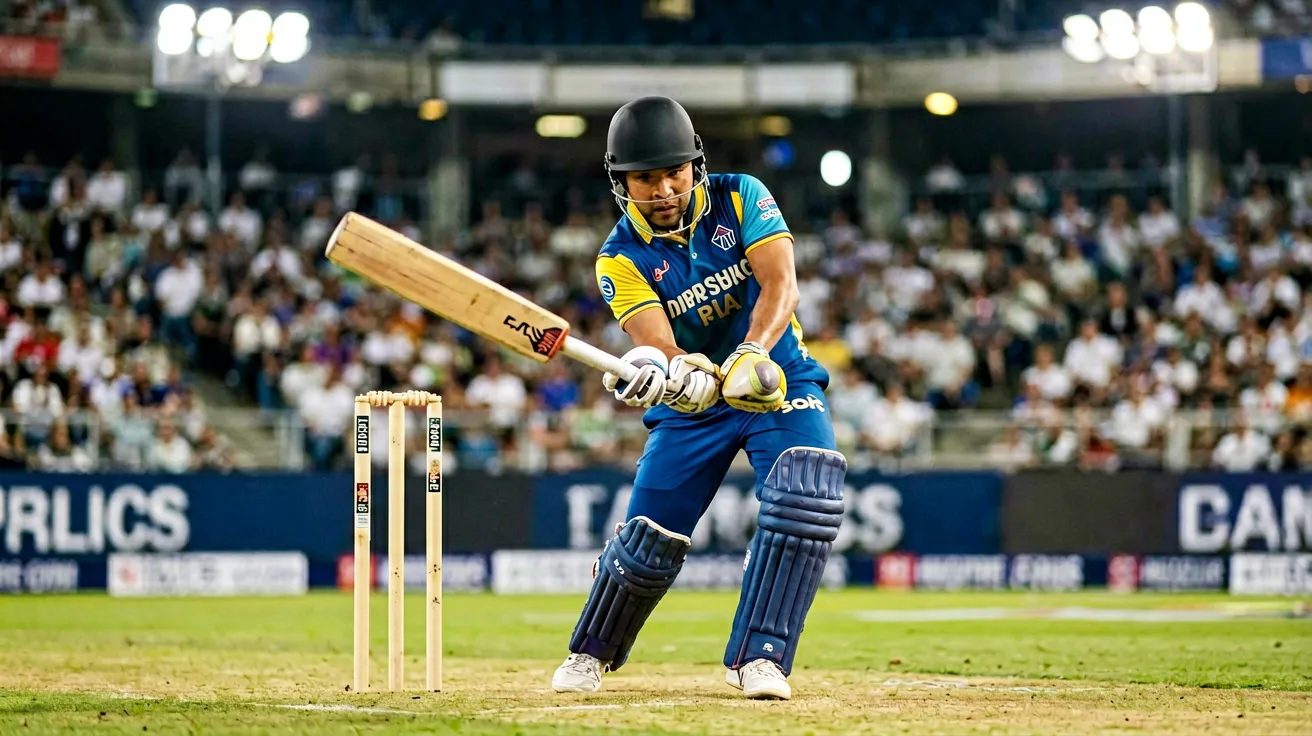
The atmosphere at the stadium shifted noticeably when the Australian opener walked out to take his guard. After spending several weeks on the sidelines recovering from a nagging lower-back injury, many wondered if he would have the fitness to handle a surface this demanding. The pitch was labeled “spicy” by analysts before the first ball was bowled, indicating a combination of uneven bounce and sharp turn that could rattle even the most seasoned professionals.
From the very first over, it was clear that his return was more than just a cameo appearance. While many expected him to play conservatively to protect his health, he showed immediate intent. He stayed deep in his crease, using his feet to smother the spin and finding gaps in the field with clinical precision. His ability to stay composed while dealing with the unpredictable nature of the ground provided a much-needed anchor for the Fire side.
Handling the Spicy Conditions
The surface presented several hurdles, including cracks that opened up early and significant seam movement for the pace bowlers. Every delivery required a high level of concentration, as a slight misjudgment in timing could lead to a cheap dismissal. However, the opener seemed to thrive on this uncertainty. He took time off his stroke play, ensuring he saw the ball late enough to judge its trajectory accurately.
By rotating the strike effectively, he prevented the Rockets from building any real pressure. His ability to find singles and doubles kept the scoreboard ticking without taking unnecessary risks. This disciplined approach allowed him to accumulate runs steadily, turning a potentially difficult situation into a platform for growth.
The Duel with Stoinis
Marcus Stoinis provided the primary opposition in this segment of the game. Known for his aggressive style and ability to extract pace from a good length, Stoinis attempted to intimidate the returning opener with short-pitched deliveries. It was a classic battle of wills: the bowler looking to provoke a mistake and the batter determined to stay upright.
The Australian didn’t bite on several bouncers, instead leaning into his pull shots and finding the boundary over mid-wicket on three occasions. Stoinis tried to vary his pace, but the opener remained unfazed, eventually forcing the bowler to search for answers he couldn’t easily find. By the time the partnership reached its peak, the Rockets’ bowling attack looked visibly frustrated by his resilience.
Keeping the Rockets at Bay
The Rockets had been in a dominant position early in the match, looking poised to put the game out of reach. The opener’s 60 not out acted as a stabilizer for the Fire, slowing the momentum and forcing the Rockets to rethink their strategy. It wasn’t just about the runs; it was about the time spent on the crease.
The following table provides a snapshot of the key statistics from this high-pressure encounter:
| Player | Runs Scored | Balls Faced | Strike Rate | 4s | 6s |
| Australian Opener | 60 | 42 | 142.85 | 7 | 3 |
| Marcus Stoinis | 18 | 12 | 150.00 | 2 | 1 |
| Rockets Top Order | 95 | 68 | 140.29 | 10 | 4 |
The Fire now hold a much more manageable deficit than they did an hour ago. While the Rockets still have the upper hand, the opener’s performance has ensured that the game remains wide open. His return to the field serves as a significant boost for team morale, proving that he can handle the physical and mental demands of top-tier cricket despite his recent time away from the game. The next phase will see whether the Fire can build on this foundation or if the Rockets will find another way to break through.