

TL;DR
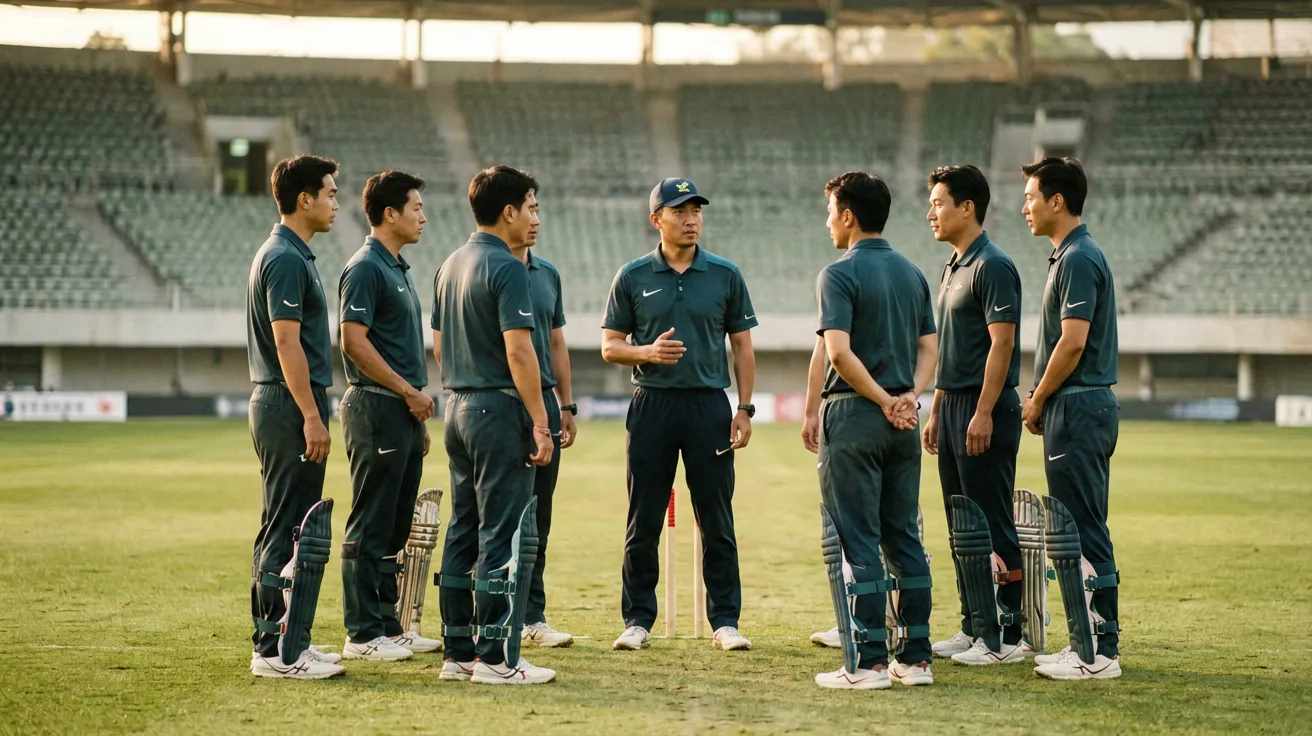
- Pakistan has officially tapped Michael Smith to join their coaching staff as the new batting coach.
- The role is unique because he will oversee technical development for both Test and limited-overs cricket.
- The move aims to fix long-standing issues with middle-order stability and shot selection across all formats.
A Fresh Approach to Pakistan’s Batting Woes
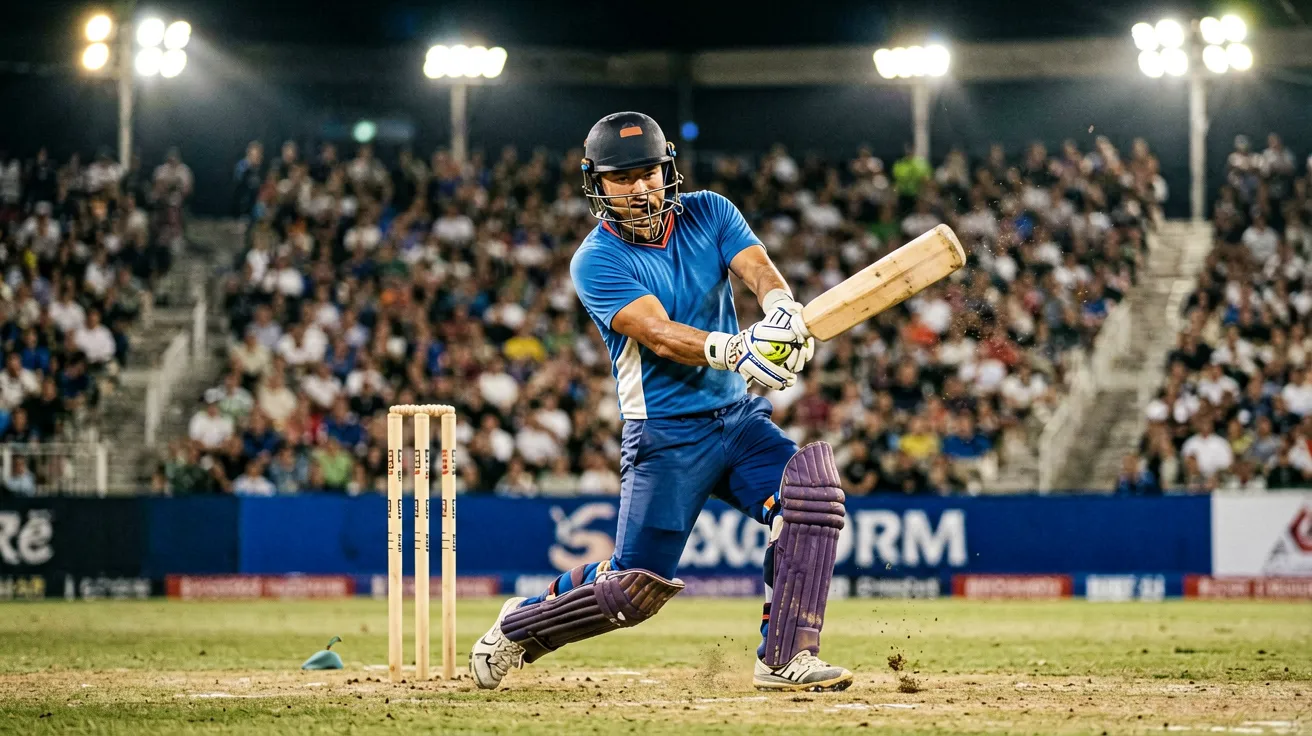
The Pakistan Cricket Board (PCB) has made a significant move to address the inconsistencies that have plagued their batting lineup over recent seasons. By bringing in Michael Smith, the board is signaling a desire for a unified coaching philosophy. For too long, Pakistan has struggled to balance the grit required for five-day matches with the explosive power needed in T20Is and ODIs.
Smith arrives at a time when the national team needs more than just individual talent; they need a systematic overhaul of how batsmen approach different conditions. The goal is to create a batting blueprint that allows players to transition between formats without losing their technical integrity. In previous years, we have seen talented middle-order hitters struggle with strike rotation in ODIs or crumble under pressure during Test matches. Smith’s job will be to ensure these issues are addressed at the grassroots and national team levels simultaneously. By focusing on core techniques that translate across different ball speeds and bounce types, he aims to create a more dependable lineup.
Bridging the Gap Between Formats
One of the most interesting aspects of this appointment is the dual responsibility Smith holds. Often, teams have separate coaches for different formats, but Pakistan is opting for a singular voice to guide the batsmen. This approach suggests that the PCB wants their core group of players to maintain a consistent technical base regardless of the match length.
Strengthening the Test Match Foundation
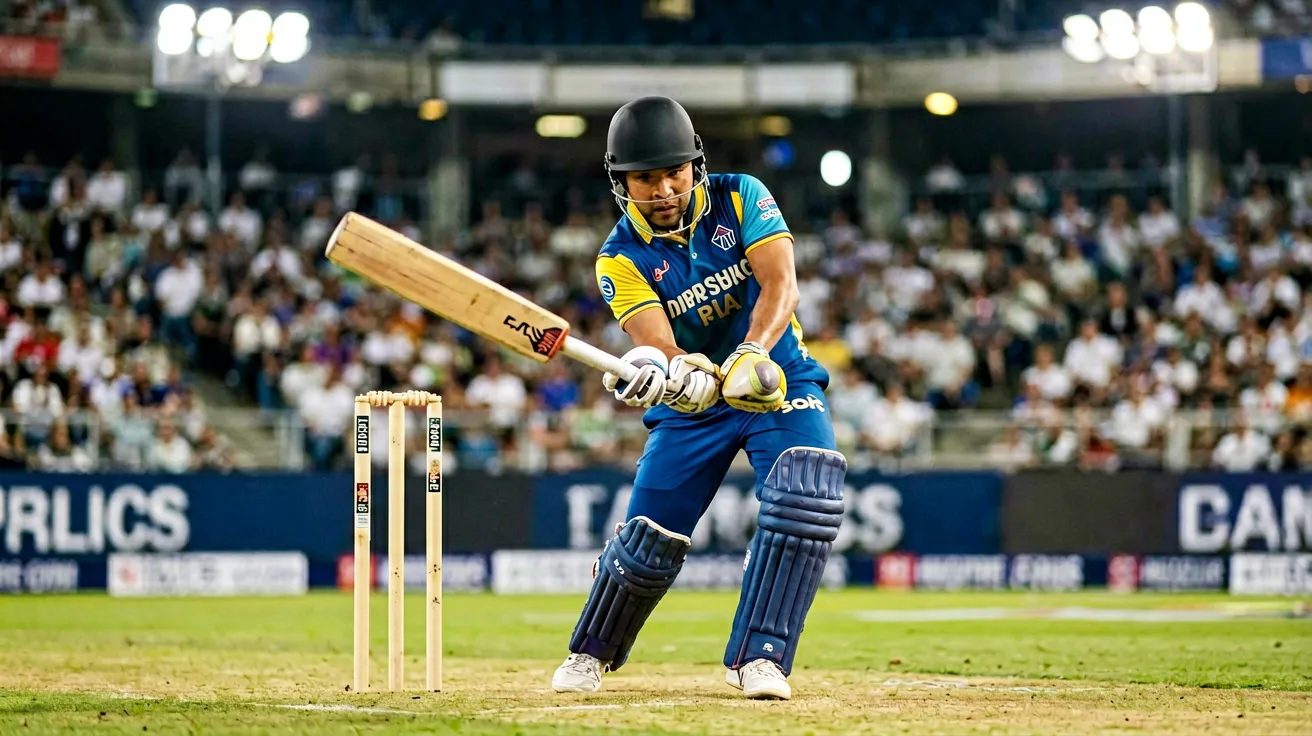
In the red-ball arena, the focus will be on building heavier foundations. Pakistan has often lacked a “glue” player in the middle order who can bat for long periods against high-quality pace and spin. Smith is expected to work with the top three to improve their ability to occupy the crease while also identifying players who can provide stability during collapses. The aim is to reduce the volatility that often sees Pakistan’s scores stagnate in the middle overs of a Test match. Technical drills will likely prioritize defense and late-cutting ability to handle moving balls on diverse tracks.
Injecting Power into Limited-Overs Cricket
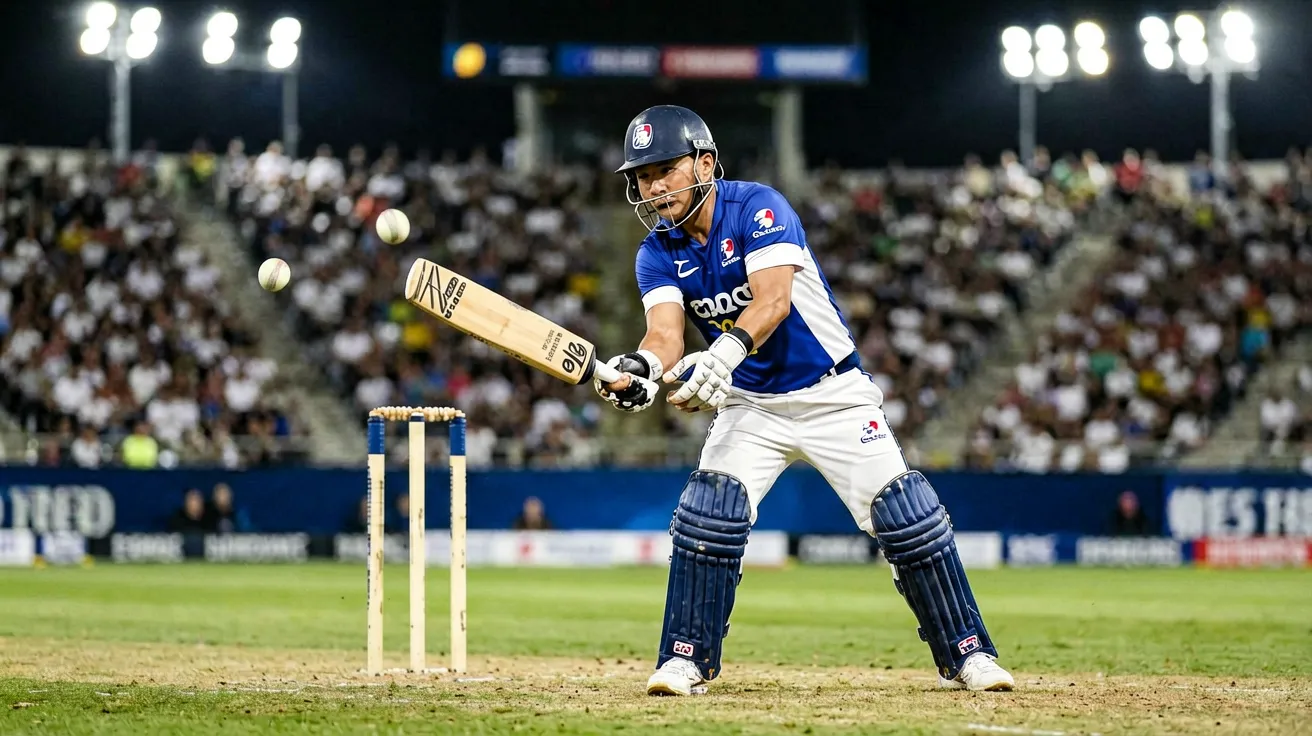
Conversely, the white-ball game requires a different set of tools. Here, Smith will need to focus on power hitting and innovative shot selection against spin. The current trend in international cricket favors players who can clear the boundary early but without compromising their wicket’s safety. By having one coach oversee both formats, Pakistan hopes to avoid a situation where players become too conservative in ODIs or too reckless in Tests. He will need to balance the “power-hitting” mandate with the necessity of maintaining a high strike rate through intelligent running between the wickets.
Statistical Context of Recent Performance
To understand why this appointment is so critical, we must look at the recent trends in Pakistan’s team totals and individual averages. The following data highlights the need for better balance in the middle order to ensure consistency:
| Format | Avg. Team Score (Recent Series) | Top Order Strike Rate (ODI) | Middle Order Average (Test) |
| Test | 285 | N/A | 31.40 |
| ODI | 262 | 88.5 | N/A |
| T20I | 178 | 142.3 | N/A |
The data shows a clear disparity in performance across formats. While the T20 strike rates remain competitive, the Test averages suggest a lack of consistency when the game stretches over several days. Smith’s methodology will be put to the test during the upcoming home series against major touring sides. If he can stabilize the middle order and improve the conversion rates of the top order, Pakistan could see a significant jump in their global rankings. The success of this move depends on his ability to communicate these technical changes effectively to a diverse group of players with different strengths.
The appointment of Michael Smith represents a calculated risk by the PCB to prioritize long-term growth over quick fixes. By providing a singular vision for batting across all formats, Pakistan is attempting to build a more reliable and versatile lineup capable of competing at the highest level. Fans will be watching closely to see if this new coaching direction can turn the tide for one of cricket’s most talented but inconsistent batting units.