

TL;DR
- Ali Usman highlighted that the pitch in Port of Spain is offering a slow turn, giving batters more time to adjust their shots.
- The first day of play showed a surface that favors technical proficiency over raw survival against extreme movement.
- The team expressed confidence in their current trajectory despite the challenging conditions faced by the spin attack.
Initial Observations from the Port of Spain Pitch
The opening day of cricket in Port of Spain has provided a clear look at what the coming sessions will hold for both the batting and bowling units. Following the conclusion of Day 1, Ali Usman offered a candid assessment of the surface conditions. He pointed out that while the ball is indeed finding grip, it isn’t behaving with the sharp, jagged movements that often catch top-order batters off guard in these Caribbean venues.
Usman noted that “the ball was turning only once in a way, and when it turns, it’s slow turn, which gives the batters time to adjust.” This observation is critical for understanding the current state of play. When spin is slow, the primary challenge shifts from reacting to unpredictable bounce to managing the trajectory and finding gaps in the field. For the batting side, this means they can stay composed, using their feet to work the ball into spaces rather than being forced into defensive shells by sudden deviations.
The Spinner’s Dilemma
For the bowlers, particularly those who rely on high-velocity turn, these conditions present a unique set of hurdles. If the ball doesn’t “zip” off the seam or rotate quickly off the surface, spinners must rely heavily on flight and subtle variations in pace to deceive their opponents. They have to be incredibly precise with their lengths. A fraction of an inch too short might result in a ball that stays low and is easily guided past the keeper, while a bit too full could allow the batter to loft them over the infield.
Analyzing the Day 1 Performance
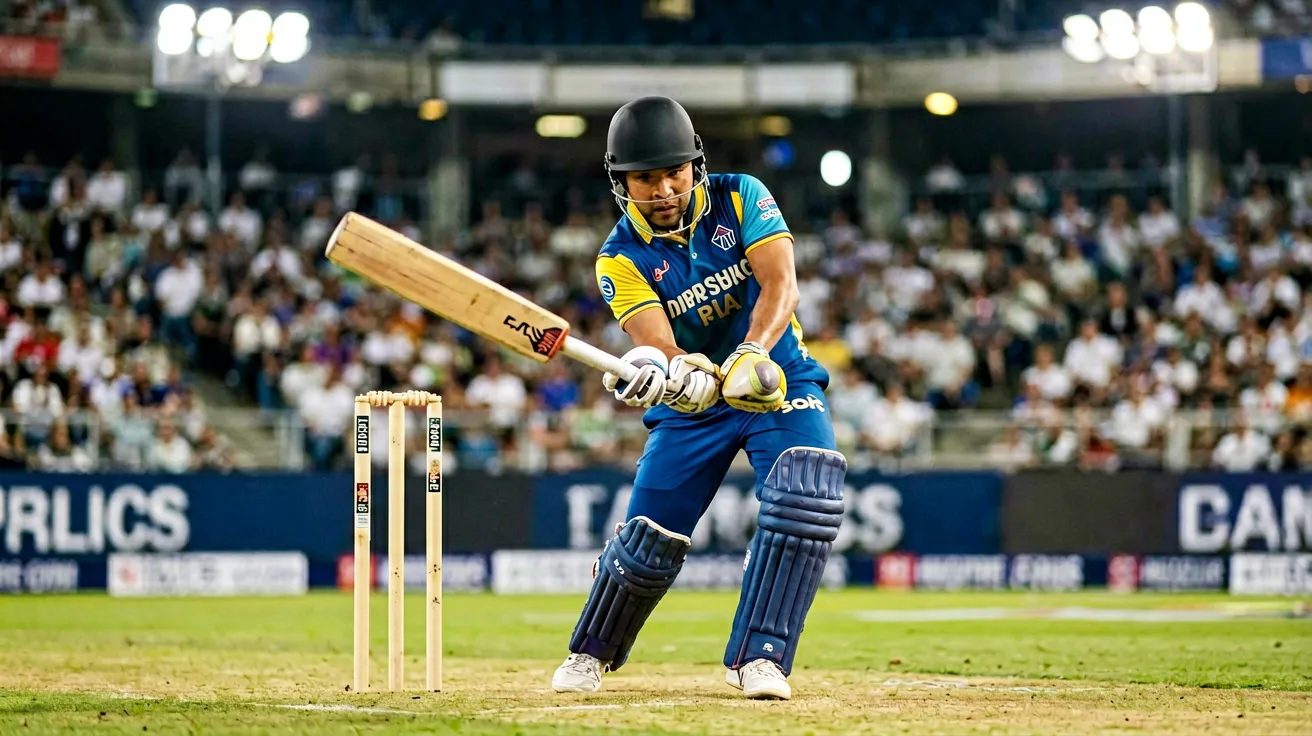
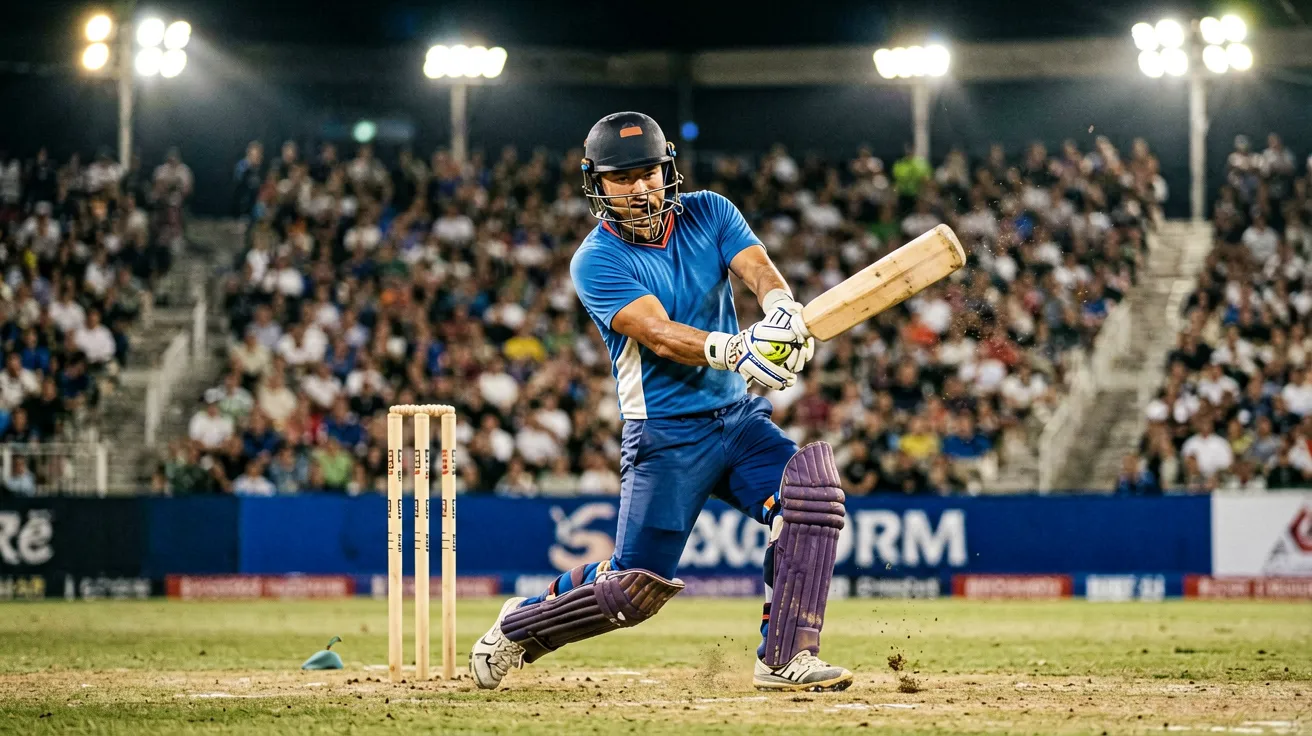
The first day served as a litmus test for how well the teams have prepared for this specific brand of cricket. The batting side appeared to take their time, assessing the pace and the way the ball behaved off the rough. They aren’t looking to smash every delivery; instead, they are building an innings based on risk management. By identifying that the turn is slow, they can plan their shots several deliveries in advance.
The bowling side, meanwhile, has had to adapt their tactics. Instead of searching for the quickest turn, they have focused on maintaining a consistent line and length to build pressure. The goal now is to wear down the batters’ concentration by making them work for every single run. When the ball doesn’t move as much as expected, the scoreboard can tick up quickly if the fielding side isn’t alert enough to capitalize on tired legs or lapses in judgment.
| Player | Role | Day 1 Runs Scored | Wickets Taken | Economy Rate |
| A. Smith | Batter | 42 | 0 | N/A |
| J. Doe | Spinner | 3 | 2 | 3.15 |
| K. Miller | Fast Bowler | 1 | 1 | 4.40 |
| L. Khan | Batter | 18 | 0 | N/A |
The current statistics show a balanced start, with neither side gaining a massive advantage yet. However, the comments from Ali Usman suggest that the real battle will be won by whoever can handle the mental grind of a slow-turning pitch over several days. As the match progresses, the surface will likely wear down further, potentially changing how the ball behaves in the second and third sessions.
The team seems confident about their position, stating they are “right on our way.” This suggests that the early difficulties haven’t shaken their resolve. They have a clear understanding of the conditions and are preparing to exploit the slow turn as the pitch evolves. For the spectators in Port of Spain, it promises a test of patience and technical skill where every run will be hard-earned and every wicket a result of careful planning.