


TL;DR
- Australia faces a grueling cricket calendar with the IPL scheduled between two consecutive five-Test series.
- Coach Justin McDonald remains open to player participation in the T20 league despite concerns over physical fatigue.
- The governing bodies must balance commercial interests with the long-term fitness of elite red-ball cricketers.
A Scheduling Squeeze for the Australian Squad
The Australian cricket hierarchy is currently grappling with a logistical headache that could define the upcoming international cycle. With the Indian Premier League (IPL) positioned directly between two grueling five-Test series, the physical and mental demands on the national team are reaching a critical point. Coach Justin McDonald has recently signaled his willingness to let players decide their own paths, but the reality of such a dense schedule suggests that some choices will be difficult to make without long-term consequences.
For many of Australia’s core performers, this isn’t just about choosing between two different formats; it is about managing energy reserves. The transition from the high-intensity, short-burst demands of T20 cricket back into the endurance-heavy environment of five-day Test matches is a massive undertaking. If a player spends several weeks in the IPL, their ability to maintain the necessary stamina for a long-form series could be compromised. McDonald’s open-minded stance indicates a shift toward player autonomy, but it places an enormous amount of responsibility on the individuals to prioritize their health and career longevity.
The Physical Toll of Constant Competition
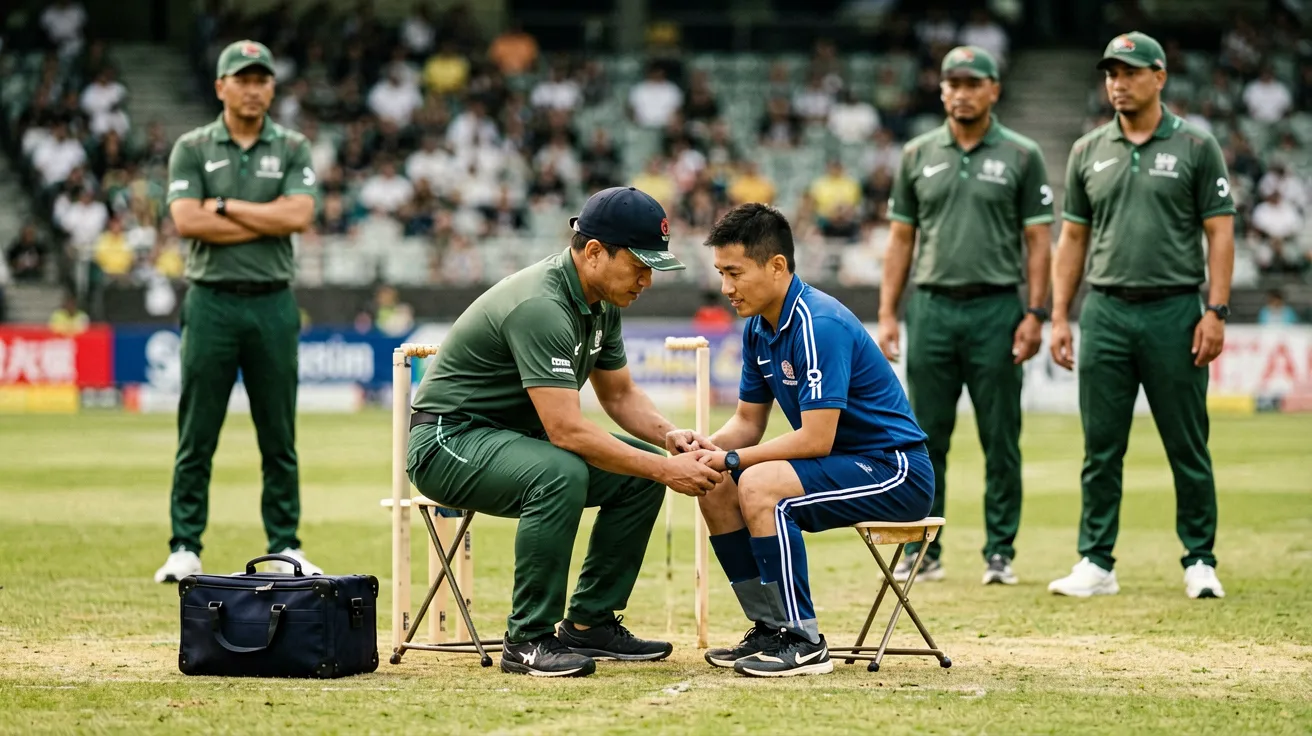
The core issue here is the “sandwich” effect. When the IPL sits in the middle of two major Test tours, there is very little “down time” for recovery. Cricket players are no longer just athletes; they are high-performance machines that require specific maintenance periods to avoid soft tissue injuries and mental burnout.
Fast Bowling Workload Concerns
Fast bowlers face the steepest challenge in this equation. The bowling actions required for T20 cricket, often involving more Yorkers and slower balls at high speeds, differ significantly from the swing and seam movements used in Test matches. If a fast bowler participates in the IPL, they risk accumulating too many “high-stress” deliveries before they can return to the red ball. This could lead to a situation where Australia is forced to rotate its bowling attack more frequently than planned during the subsequent five-Test series.
Data Snapshot: Australia’s Intense Schedule Density
To understand the pressure on the squad, look at the density of major commitments over the next 18 months. The proximity of these fixtures highlights why McDonald’s comments are generating so much discussion among analysts.
| Event Type | Series/Tournament | Duration | Status |
| Test Series | International Tour A | 5 Matches | Upcoming |
| T20 League | IPL (India) | ~8 Weeks | Scheduled |
| Test Series | International Tour B | 5 Matches | Upcoming |
| ODI Series | International Tour C | 3 Matches | Planned |
Balancing Commercial Interests and Player Welfare
The Australian Cricket Board faces a delicate balancing act. On one hand, the IPL provides significant financial rewards and visibility for domestic players. On the other hand, the primary goal of the national setup is to maintain a dominant position in the Test arena. If too many senior players opt for the T20 circuit, the depth of the Test side thins out. Conversely, if they are forced to sit out, there may be resentment regarding lost opportunities and income.
McDonald’s refusal to set hard rules suggests that Australia is moving toward a model where individual player management is king. However, this lack of a rigid structure might lead to inconsistencies in squad selection. We may see a fragmented team where some stars are fresh from the IPL while others have stayed home to rest, creating a disparity in fitness levels across the playing eleven.
The ultimate success of this approach will depend on how the coaching staff manages these different preparation cycles. If they can find a way to keep players sharp without overworking them, Australia might maintain its current form. If not, the heavy weight of the calendar could result in a visible dip in performance during the critical middle stages of their upcoming tours.