

TL;DR
- Kusal Mendis has been appointed as the first president of the newly established Sri Lanka players’ association.
- The organization aims to provide an independent and collective voice for professional cricketers regarding their rights and welfare.
- This move signifies a major shift toward player empowerment in the governance of Sri Lankan cricket.
- Negotiating standardized contracts for all professional cricketers.
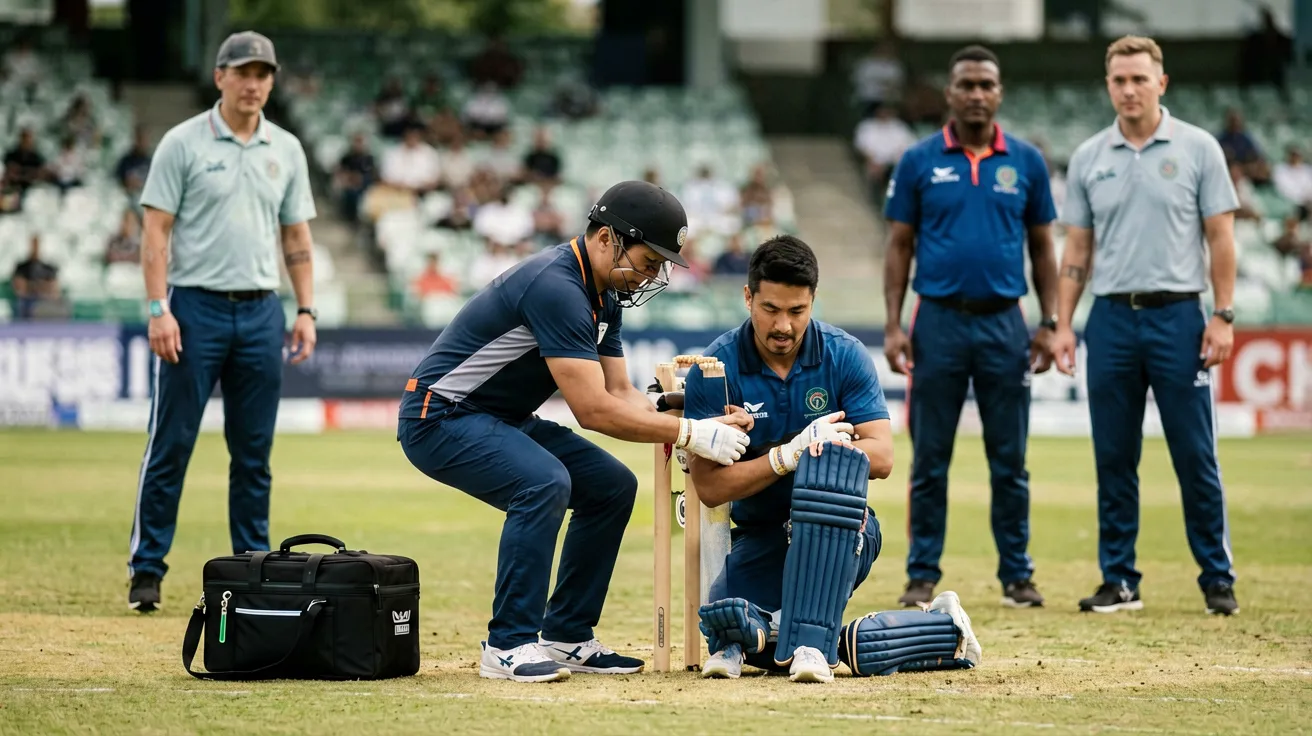
- Advocating for better medical and rehabilitation facilities during international tours.
- Establishing clear guidelines for commercial endorsements and brand management.
- Providing a platform for players to voice concerns about the quality of domestic cricket infrastructure.
A New Chapter for Player Representation in Sri Lanka
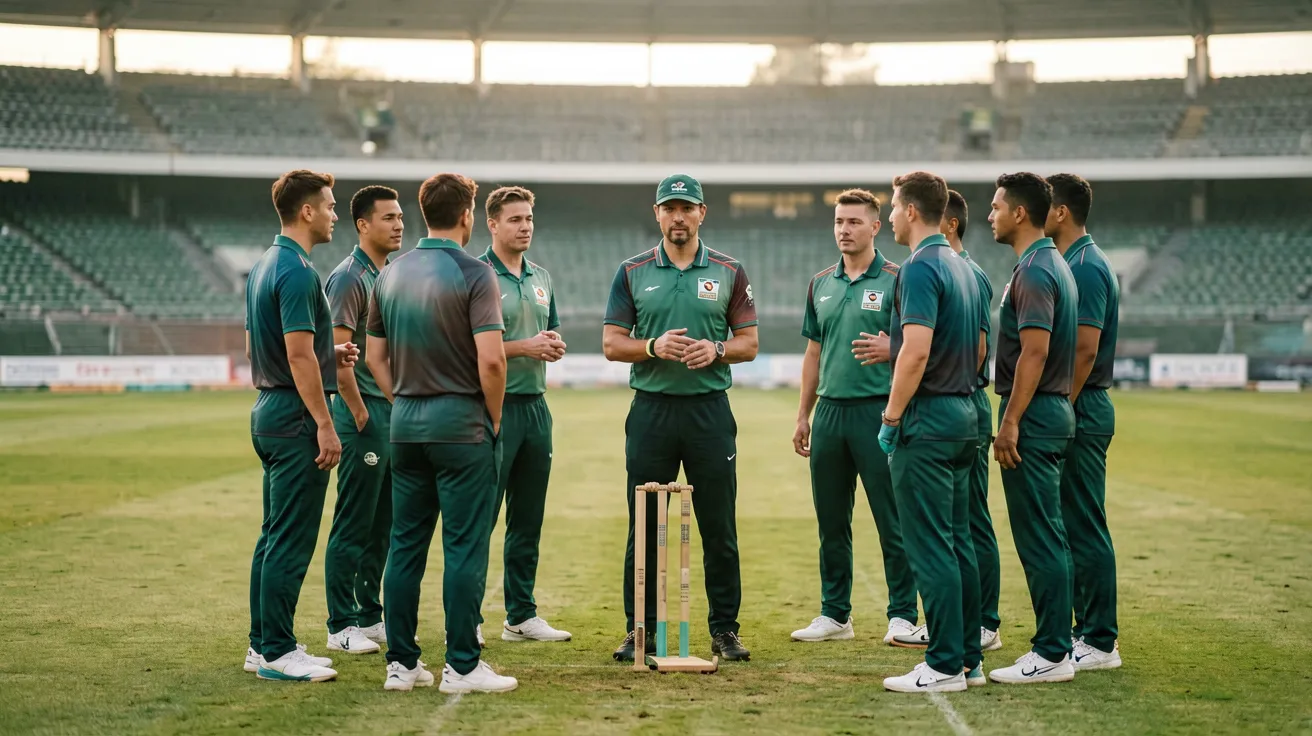
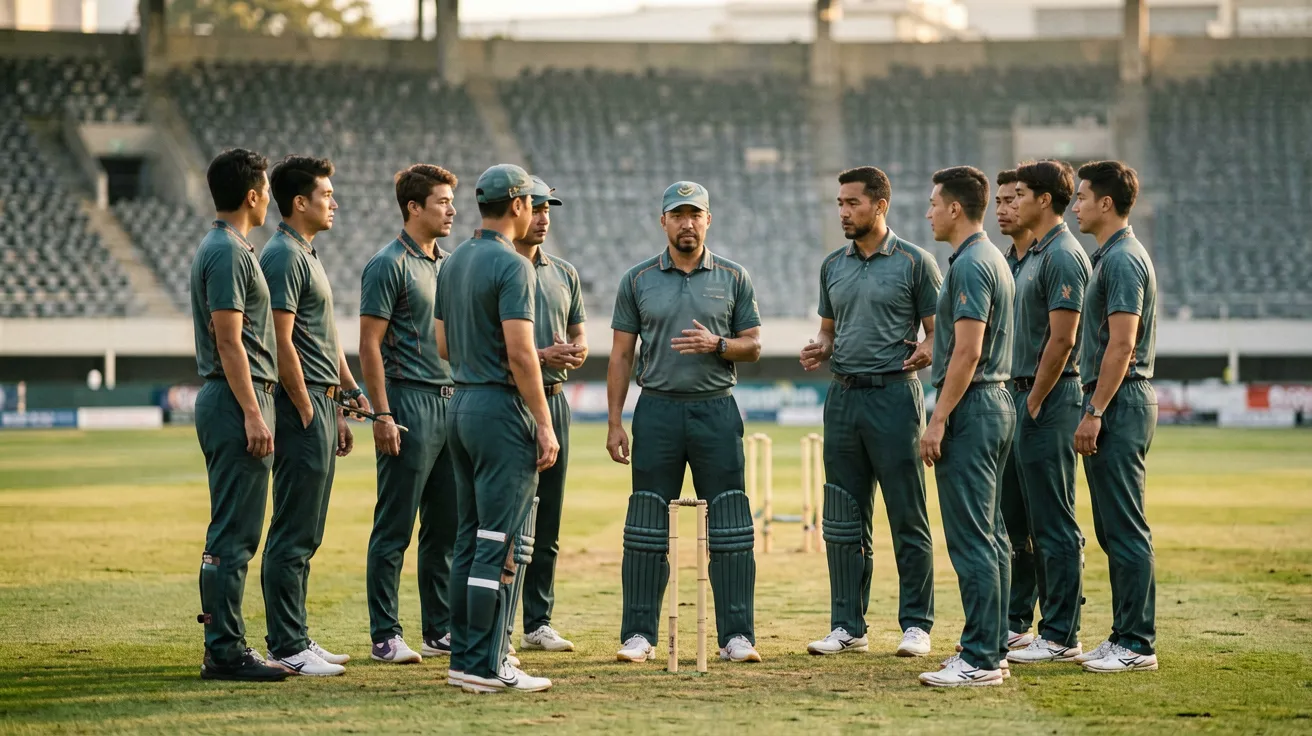
The scene of Sri Lankan cricket is undergoing a significant structural transformation following the announcement that Kusal Mendis will serve as the inaugural president of the players’ association. For years, the power dynamics within the sport have often favored board-led administrations, sometimes leaving individual athletes with limited recourse regarding contract negotiations, image rights, and long-term career security. The creation of this independent body marks a shift toward a model where cricketers can bargain collectively rather than seeking individual agreements that may not favor their long-term interests.
This association is designed to act as a bridge between the players and the Sri Lanka Cricket (SLC) board. By establishing a formal channel for communication, the players hope to ensure that their concerns about match fees, touring conditions, and domestic competition structures are heard clearly. In many other cricketing nations, such bodies have been instrumental in securing better pay parity and ensuring that the commercial exploitation of player likenesses remains fair. For Sri Lanka, this is a major step toward professionalizing the way athletes manage their careers on and off the field.
Why Kusal Mendis Leads the Charge
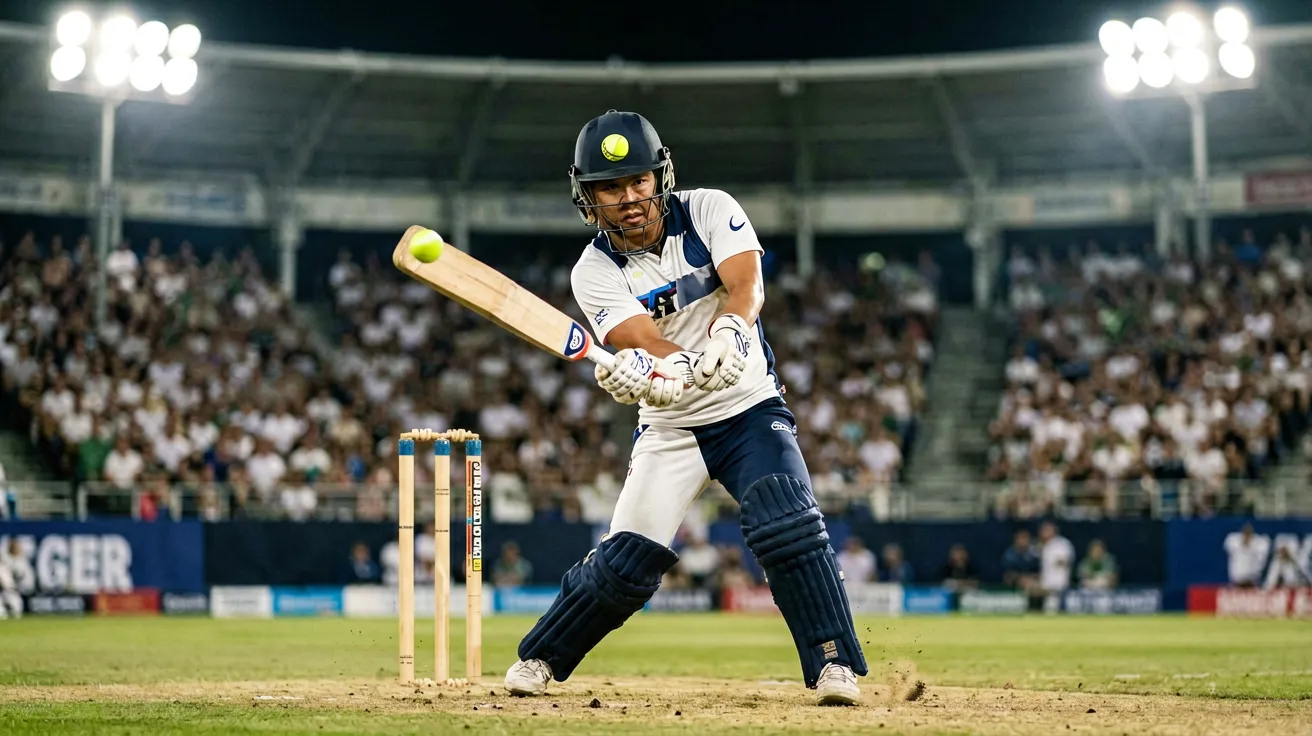
The selection of Kusal Mendis as the first president was not a random choice. He has consistently demonstrated leadership qualities throughout his time with the national team. Known for his composure under pressure, Mendis carries a level of respect that spans across different formats and generations of players. His ability to communicate effectively makes him an ideal candidate to represent the diverse interests of both senior internationals and rising domestic talents.
The association will focus on several core areas, including:
Statistical Overview of the New President
To understand the caliber of the man leading this new initiative, one must look at his consistent contributions to the national side. Mendis has been a reliable middle-order presence, often anchoring innings during difficult phases of play. His ability to adapt to different styles of bowling and spin makes him a versatile asset for the country.
| Cricket Format | Matches Played (Approx.) | Total Runs | Batting Average | High Score |
| Test | 43 | 2,510 | 31.45 | 118 |
| ODI | 82 | 3,240 | 34.60 | 122 |
| T20I | 55 | 1,420 | 27.10 | 88 |
*Note: Data reflects career statistics as of the most recent international series.*
Impact on Future Governance
The formation of this association will likely change how the SLC approaches its commercial partnerships. With a collective voice, players can now demand a fairer share of the revenue generated from broadcasting rights and sponsorships. This move mirrors trends seen in other major leagues where players have successfully organized to ensure that their contributions are reflected in their bank accounts. It also provides a safety net for young cricketers who might otherwise be vulnerable to exploitative clauses in their early contracts.
As Mendis takes on this role, the focus will remain on building trust between the dressing room and the boardroom. The success of this association depends on its ability to remain independent while still maintaining a productive relationship with the governing bodies. If handled correctly, it could lead to a more balanced environment where players feel valued as professionals rather than just assets in a commercial machine. This shift is about creating a sustainable future for cricket in Sri Lanka, ensuring that those who perform on the field have a say in how the game is run.