

TL;DR
- Australia remains determined to secure a victory despite being on the back foot for three days.
- Josh Hazlewood confirms the team is focused on the win and expects significant variable bounce on the final day.
- The bowling unit plans to exploit pitch deterioration to turn the tide of the match.
Australia Stays Focused Despite Slow Start
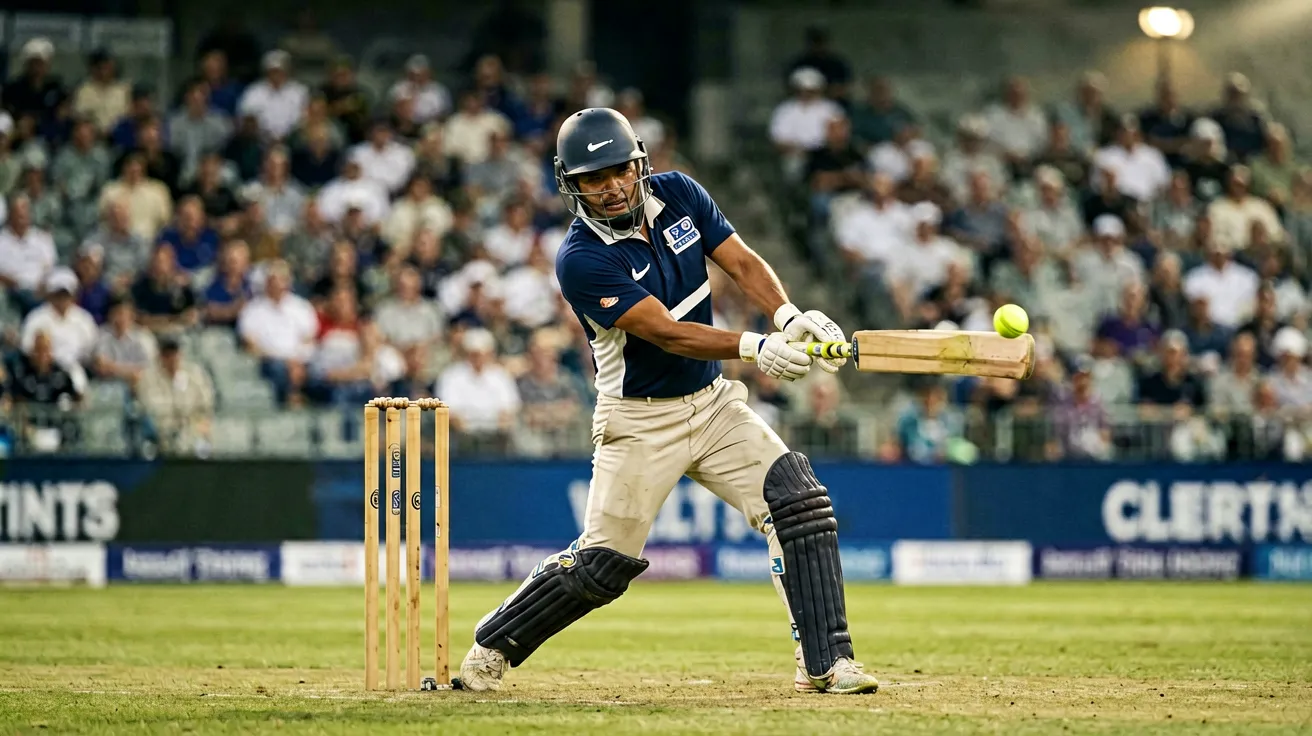
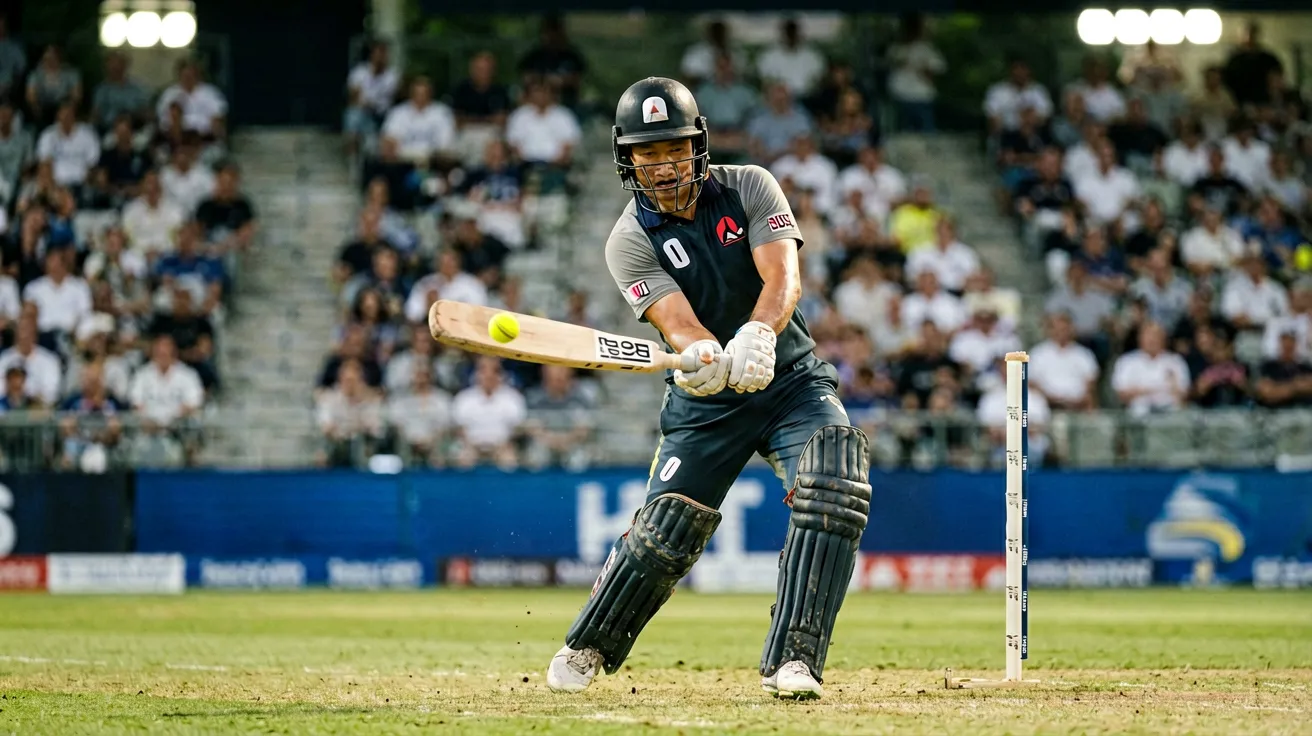
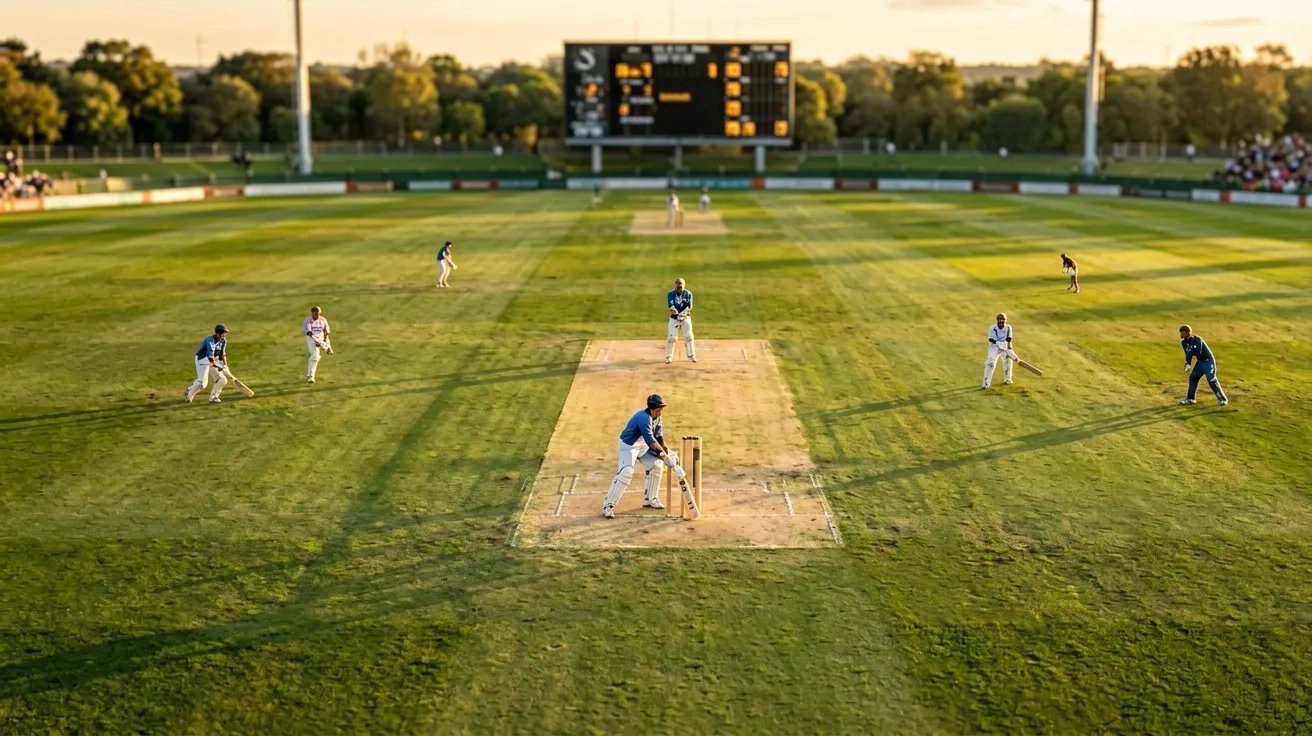
The Australian cricket team currently finds itself in a difficult position, having spent the last seventy-two hours struggling to seize control of the game. For three days, the opposition has dictated the tempo, leaving the home side searching for a breakthrough that has remained elusive. The scoreboard reflects a period of stagnation, where the bowling unit has failed to produce the consistent pressure required to break the stalemate. However, the mood in the Australian dressing room is far from defeated.
Josh Hazlewood has been vocal about the team’s mindset, making it clear that the objective remains unchanged. Despite the lack of immediate results, the Australian camp is not looking at the rearview mirror. They are looking forward. The focus is entirely on how to extract a win from the remaining time. In high-stakes Test cricket, momentum can shift in a heartbeat, and the Australian leadership understands that the game is far from over. They are banking on their ability to adapt to the changing conditions as the match enters its final stages.
The Tactical Edge: Hazlewood’s Final Day Vision
While the first three days may have favored the visiting side, Josh Hazlewood believes the narrative of the match is about to change. The spearhead of the Australian pace attack has identified the final day as the primary opportunity to turn the tables. His analysis centers on the physical state of the pitch, which is beginning to show visible signs of wear. As the surface cracks and the turf gives way, the ball is expected to behave in unpredictable ways.
Exploiting the Wear and Tear
Hazlewood has highlighted the potential for variable bounce as the key factor for the fifth day. When a pitch reaches this stage of the match, the seam moves less, but the uneven surface creates “lumpy” deliveries that can catch batsmen off guard. This is where Hazlewood’s experience becomes a major asset. He knows how to角度 (angle) the ball into the pads or Extract sharp movement from a length that looks safe. The goal is to create a situation where the batsmen are forced to play at balls they would otherwise leave, leading to edges and wickets.
The Psychological Shift
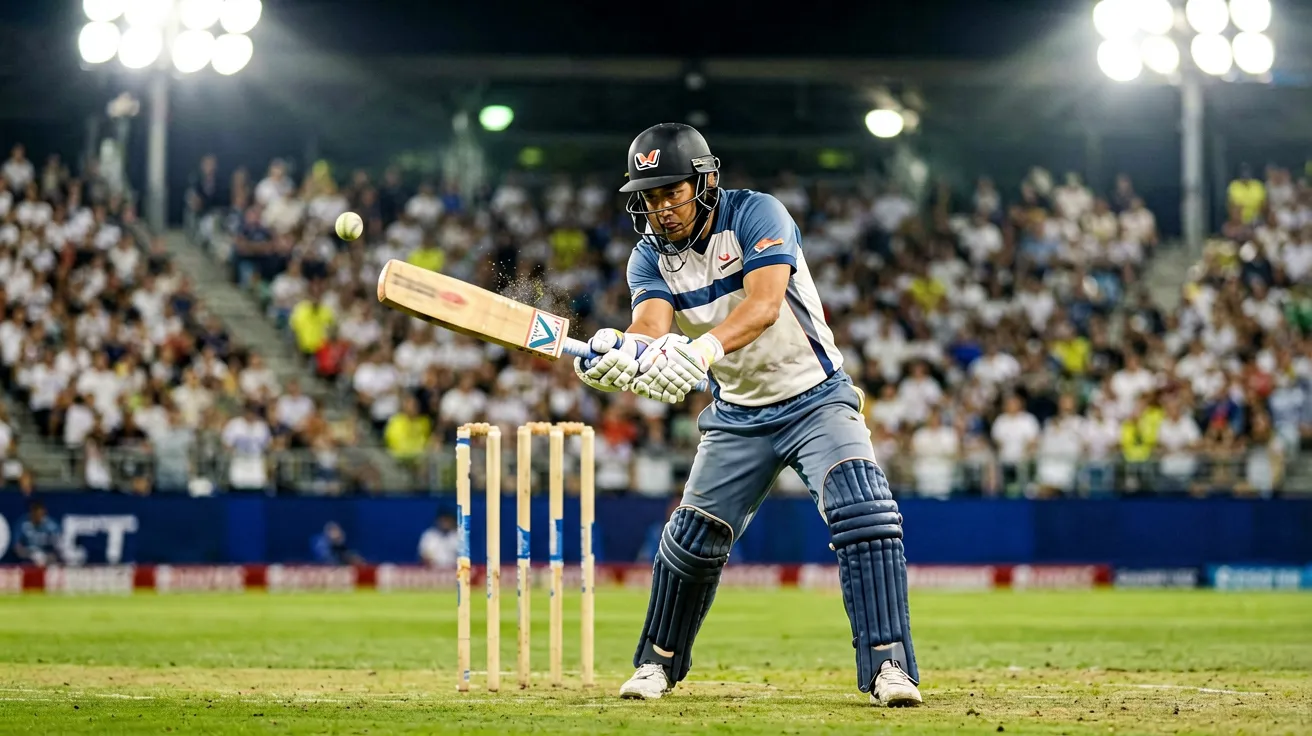
There is also a significant psychological element to Australia’s strategy. By remaining composed during the three days on the back foot, they are attempting to frustrate the opposition. If they can maintain their composure while the conditions become more difficult to bat on, the pressure will shift back onto the visiting team. The Australian bowling unit is preparing to be aggressive, looking for the quick wickets that can collapse a tired batting lineup.
The following table highlights the current form of the key Australian bowling assets heading into the final stretch:
| Player | Wickets (Current Series) | Average | Strike Rate | Best Bowling |
| Josh Hazlewood | 12 | 26.4 | 54.2 | 4/45 |
| Mitchell Starc | 10 | 31.2 | 58.8 | 3/38 |
| Pat Cummins | 8 | 34.5 | 61.0 | 2/42 |
The strategy is clear: use the deteriorating surface to create chaos. Australia isn’t looking for a steady accumulation of runs; they are looking for the magic ball that breaks the opposition’s resolve. If Hazlewood and his partners can find that variable bounce, the three days of struggle could be forgotten in a swift final-day collapse.
The Australian team has shown resilience in the past, often finding ways to claw back from deficit positions. By staying focused on the ultimate goal and preparing for the specific challenges of the final day, they have given themselves a fighting chance. The next 24 hours will determine whether their persistence pays off or if the missed opportunities of the week weigh too heavily.