


TL;DR
- Babar Azam’s participation in the upcoming Test series against England is currently uncertain due to a lingering finger injury.
- The Pakistan team management is awaiting a final clearance from the medical panel before making the official selection call.
- His potential absence forces the coaching staff to consider significant changes to the batting order and middle-order strategy.
Babar Azam’s Fitness Status Keeps Pakistan Management on Edge
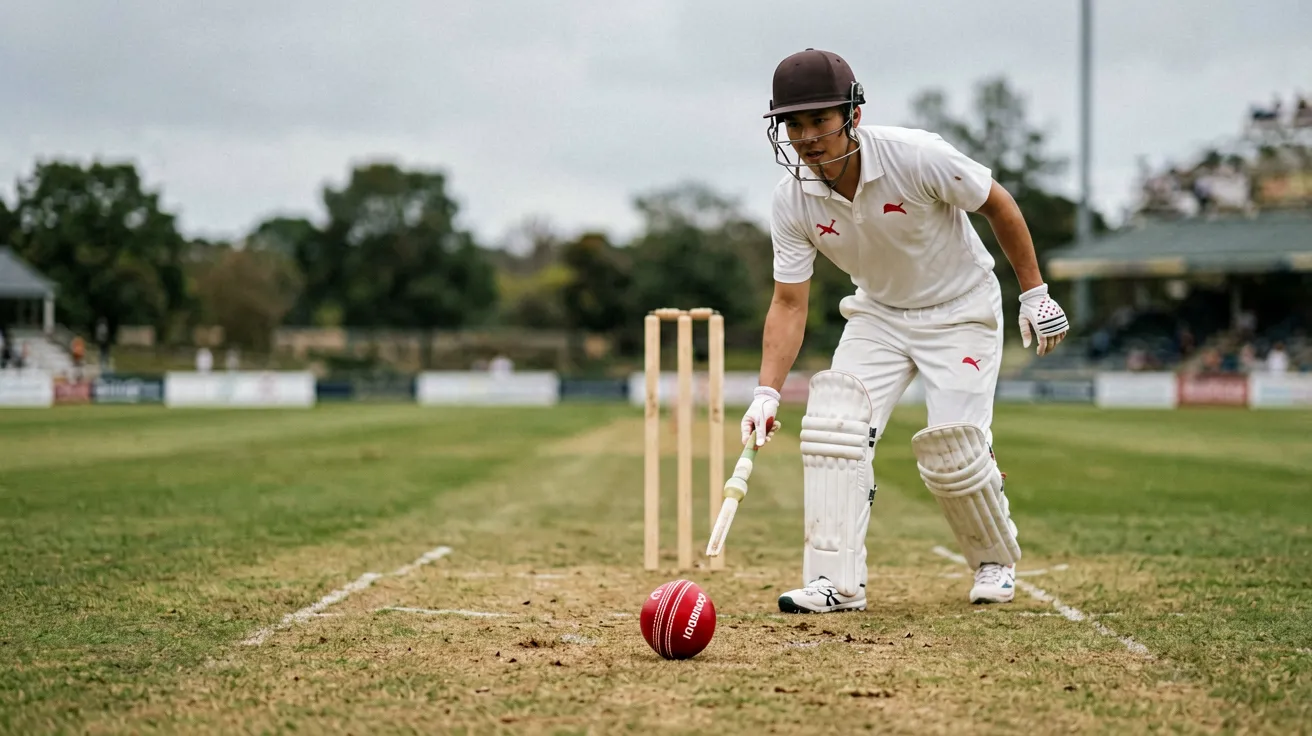
The atmosphere in the Pakistan dressing room is currently thick with anticipation as the team prepares for their upcoming Test series against England. The primary source of tension is the fitness of Babar Azam. As a mainstay of the national side, his presence in the batting order is a requirement for any cohesive game plan. However, a persistent finger injury, sustained during recent practice sessions, has forced the medical staff to conduct a series of rigorous tests over the last 48 hours.
The management is expected to make a final decision just before the team departs for the first match. This late call means the coaching staff has very little time to adjust their strategy if the star batsman is sidelined. England, known for their aggressive pace bowling and ability to swing the ball both ways, will be looking to exploit any cracks in Pakistan’s top order. If Babar is unable to take the field, the team faces a massive logistical and tactical hurdle in maintaining their scoring rate.
The Tactical Implications of a Missing Anchor
Without Babar, the weight of responsibility shifts significantly across the lineup. Pakistan often relies on his ability to occupy the crease for long periods, allowing the lower middle order to build momentum without constant pressure. If he is unavailable, the team might have to look toward options like Fakhar Zaman or even consider a more aggressive approach from the start to compensate for the loss of a traditional anchor.
A vacant spot at number three can lead to a pressured environment where the middle order feels forced to score quickly rather than build a foundation. The absence of a steady hand often forces the tail to come out and bat longer than they prefer, which can be risky against a high-quality bowling attack. The team needs to decide whether to play for the long haul or aim for a quick, high-scoring total to put the bowlers on the back foot early.
Statistical Weight of Babar’s Presence
To understand why the selection committee is so hesitant to leave him out, one only needs to look at his recent consistency in the longest format. Babar has been the most reliable run-getter for Pakistan over the last four years. His ability to rotate the strike and maintain a high strike rate in the middle overs makes him a unique asset in the current era of Test cricket.
Below is a snapshot of his recent performances in Test cricket, highlighting his importance to the national side:
| Series/Year | Matches | Runs | Average | High Score |
| 2022-23 Season | 6 | 480 | 48.00 | 125 |
| 2023-24 Season | 5 | 395 | 43.88 | 110 |
| Career Test Total | 53 | 4,200+ | 49.00 | 200 |
The uncertainty surrounding his selection adds a layer of pressure on the remaining players. Every time the team prepares a net session, the coaches are looking at the “what if” scenario. If the medical panel gives the green light, Pakistan can proceed with their primary plan. If not, they must find a way to replace that stability without losing their identity as a batting-heavy side. The final decision will likely be announced on the eve of the first match, leaving fans and analysts waiting for a definitive confirmation.