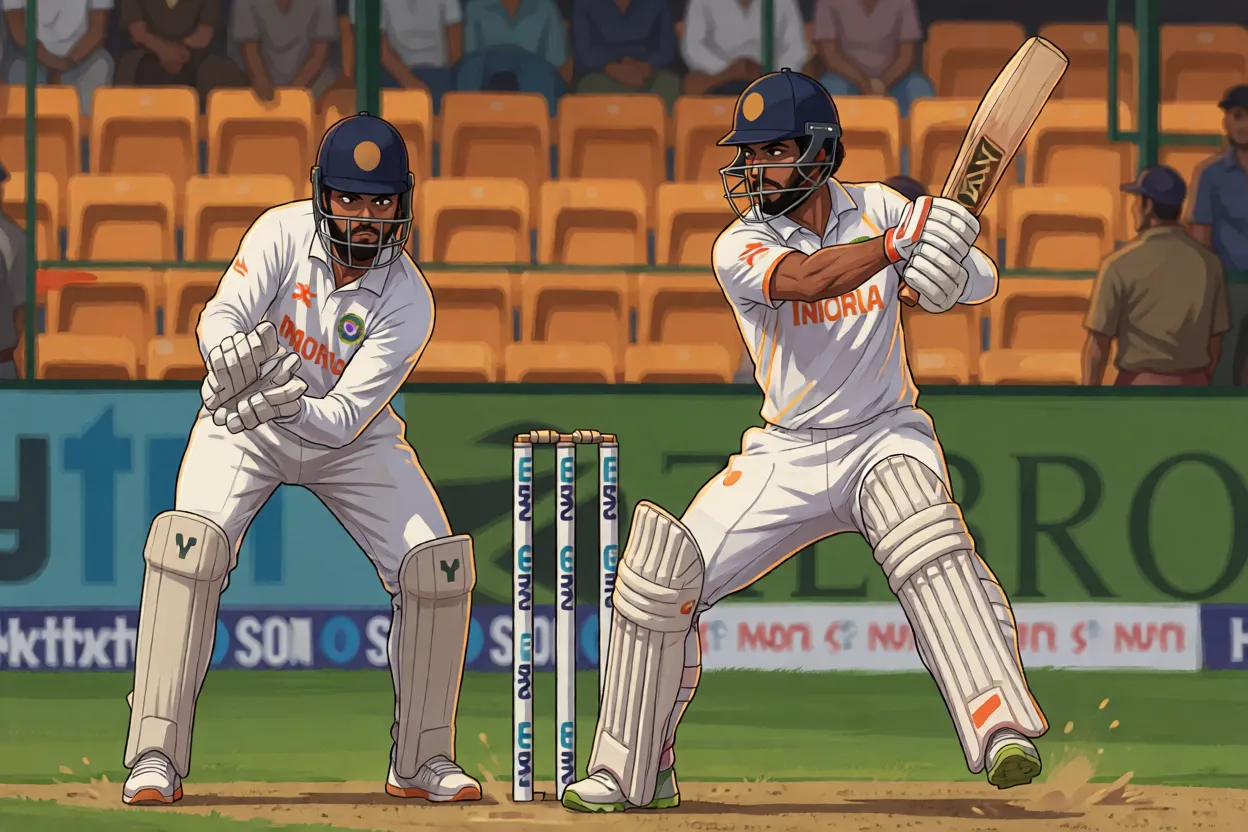



Mohammed Siraj Is The Bowler India Built In The IPL, And The Test Team Is The Team That Reaped It
There is a persistent narrative among traditionalists that the Indian Premier League has eroded the foundations of Test cricket. This critique usually comes from observers who have not spent time inside the National Cricket Academy or shared a dressing room with these players. They see only the surface level, missing the profound transformation that happens to a fast bowler who possesses a genuine hunger for growth. Mohammed Siraj is the ultimate example of this evolution. He joined the IPL as a raw talent and left it as a refined weapon, providing India’s Test side with a ready-made asset they did not have to build from scratch in the red-ball format.
The IPL, And What It Did To Siraj
When Siraj first arrived in the IPL circuit, he was a high-velocity bowler who struggled with sustained endurance. During his initial three seasons, his role was straightforward: bowl four explosive overs and then head home. Critics seized upon this specific output to argue that the league destroys the ability to bowl long spells or maintain consistent length. They claimed that because the IPL does not demand multi-over marathons, it fails to prepare bowlers for the rigors of a Test match.
However, these critics ignore what happens behind closed doors during team meetings and video reviews. The IPL provided Siraj with more than just a platform to bowl fast; it gave him an education in game sense. Because he was eager to improve, coaches utilized the high-pressure environment to sharpen his lines, refine his variations, and deepen his understanding of different conditions. While the public saw short spells, the inner workings of the league were actually sculpting his craft for a much larger stage.
The Five Wickets, And Where They Came From
The five-wicket haul in the first innings served as a masterclass in how T20 skills translate to Test success. Each dismissal showcased a specific tool Siraj mastered under the lights of the IPL.
| Wicket Type | Skill Source | Application in Test Cricket |
|---|---|---|
| First Wicket | Fuller Length | Derived from IPL powerplay demands; used to deceive openers. |
| Second Wicket | Slower Ball | Mastered during IPL death overs; catches set batters off guard. |
| Third Wicket | Wider Line | Developed for IPL powerplays; creates uncomfortable angles in Test cricket. |
The first wicket fell because of a fuller length that Siraj perfected in the IPL. While traditional coaching might prioritize different trajectories, the demands of an IPL powerplay force bowlers to find consistency at a shorter distance. This specific tactic proved lethal against the openers in the Test arena.
The second dismissal highlighted his mastery of the slower ball. In the IPL, this is a staple of the death overs. In contrast, it becomes a sophisticated weapon in Test cricket when a batter has settled into a rhythm and expects pace. By disrupting that expectation, Siraj turned a T20 survival tool into a long-form strike option. Finally, the third wicket came from a wider line. Just as he learned to move the ball away to avoid being hit in the IPL, he used that same width to create pressure on the batter’s off-side, proving that the league provides a diverse toolkit for any format.
TL;DR
- The IPL serves as an intensive finishing school for fast bowlers who are eager to learn new techniques and variations.
- Critics often overlook the technical refinement occurring in team meetings and internal reviews during the league season.
- Siraj’s recent Test success proves that T20 skills like fuller lengths and slower balls are highly effective in long-form cricket.