

T20I Cricket Has A New Ball, And The Batters Are Not Happy, Which Is The Whole Point
The Kookaburra Pace Pro might sound like a brand of aerodynamic running shoe, but it is currently reshaping the dynamics of international cricket. Following two years of rigorous testing across the domestic circuits of Australia, South Africa, and England, the ICC has officially greenlit the ball for bilateral T20Is. This transition marks a significant shift in equipment philosophy, moving away from a product that favored high-scoring dominance toward one designed to challenge the opposition more consistently.
The Pace Pro features a much sharper, more defined seam that remains visible even to those watching from the press box. Perhaps more importantly, it boasts a harder core. This structural integrity is the primary differentiator from previous models, which often lost their shape by the eighth over. In the past, that softening allowed batters to swing through lines with relative impunity. The new ball resists this decay, maintaining its properties for a longer duration of the innings.
The Numbers, From The First Twenty Matches
The data gathered from the first twenty bilateral T20Is played with the Pace Pro paints a clear picture of its impact on the game’s scoring rates.
| Metric | Previous Ball Era | Pace Pro (First 20 Matches) | Net Change |
|---|---|---|---|
| Avg First Innings Score | 175 | 161 | -14 Runs |
| Wickets per Innings | 6.9 | 8.2 | +1.3 Wickets |
A fourteen-run decrease might seem negligible to a casual observer, but in the high-octane environment of T20 cricket, it represents a massive shift in momentum. This drop transforms a comfortable par score into a target that forces the chasing team into an immediate state of pressure from the very first delivery. Furthermore, the uptick in wickets confirms that bowlers are finding success in areas where they previously struggled. The old ball often failed to carry to the boundary and lacked the movement needed to trap hitters, but the Pace Pro restores those elements to the field.
What The Batters Are Saying
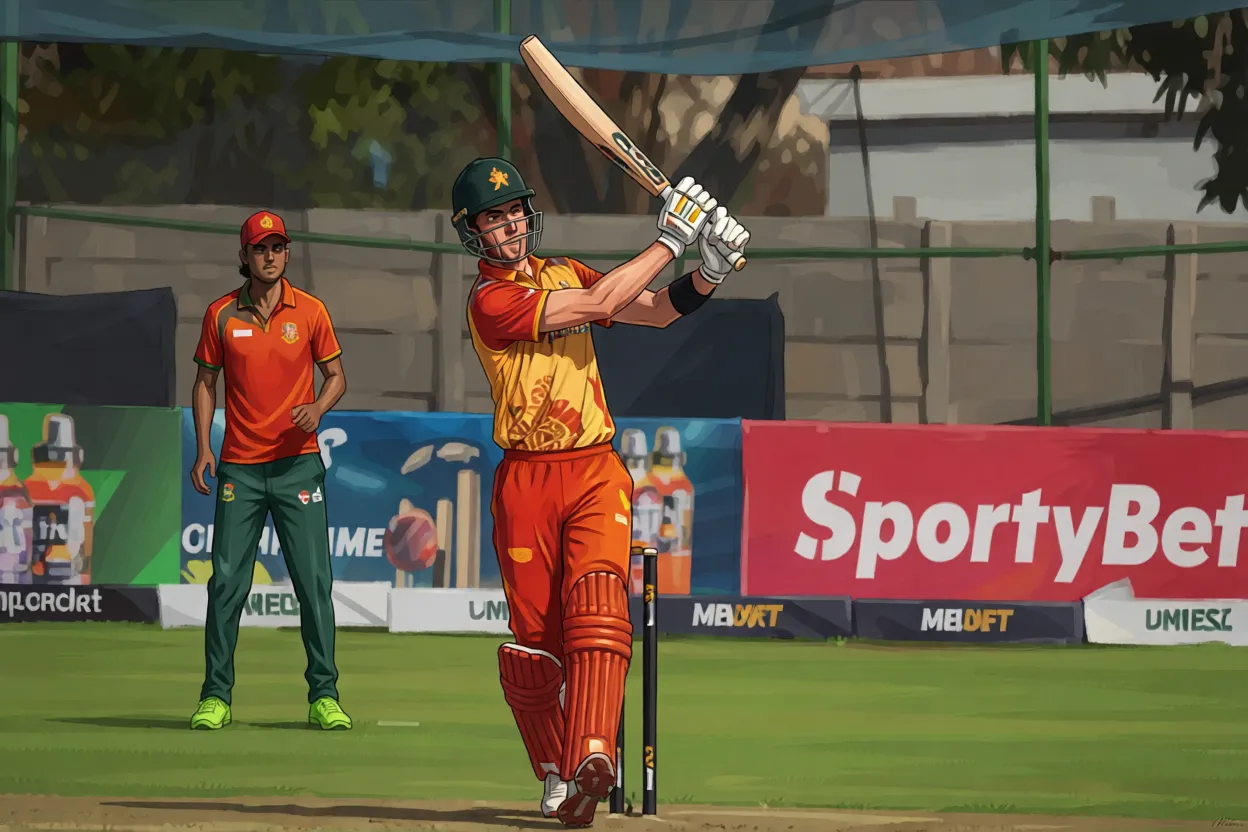
The frustration among batters is palpable and well-documented. Players have voiced complaints both publicly and privately, noting that the ball behaves in ways they find difficult to predict. The pronounced seam and dense core cause it to come onto the bat quicker than expected. This change has turned reliable staples of the modern game, such as the check-drive and the flat-batted punch, into high-risk maneuvers that frequently result in dismissals.
While the hitters are unhappy, their complaints actually validate the ICC’s goals. The governing body did not introduce this equipment to make the game easier for the protagonists of the crease. Instead, they acted because T20 scores had reached a point where the format felt like a batting exhibition rather than a balanced contest.
The cricket committee correctly identified that the balance between bowling and batting units had collapsed. Data from the last World T20 supported this trend, showcasing record-breaking averages for batters alongside some of the lowest figures for bowlers in recent history. The tilt toward bat dominance was not just a steady progression; it was accelerating at an unsustainable rate.
What The Bowlers Are Saying
While the batters are struggling to adapt, the bowling fraternity is celebrating. Fast bowlers have noted that the Pace Pro provides them with reliable tools to work with. Because the ball holds its shape, they can bowl their intended lengths with greater confidence. It rewards technical precision and allows for a more competitive environment where power alone is no longer enough to overcome a well-executed plan.
TL;DR
- The Kookaburra Pace Pro features a harder core and sharper seam designed to stay “true” longer than previous balls.
- Early data shows first-innings scores have dropped by 14 runs, while wickets per innings have risen significantly.
- The ICC introduced the ball to stop T20 cricket from becoming a one-sided batting competition and restore balance to the game.