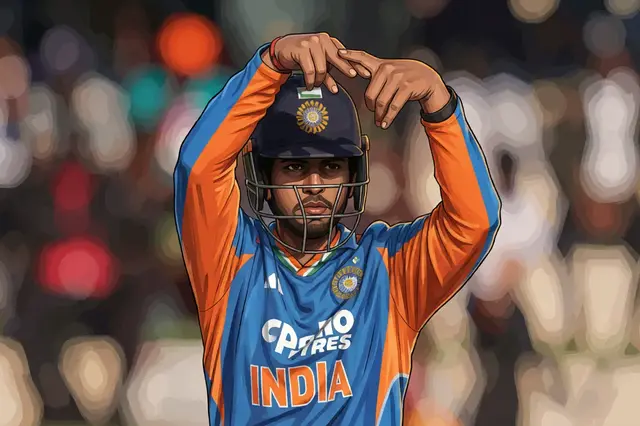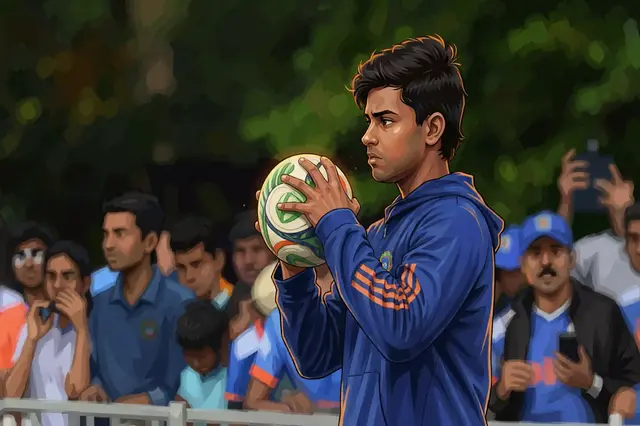

Sooryavanshi's Swing: India Chase NZ in Christchurch Amid T20 Toss Strategy Shifts

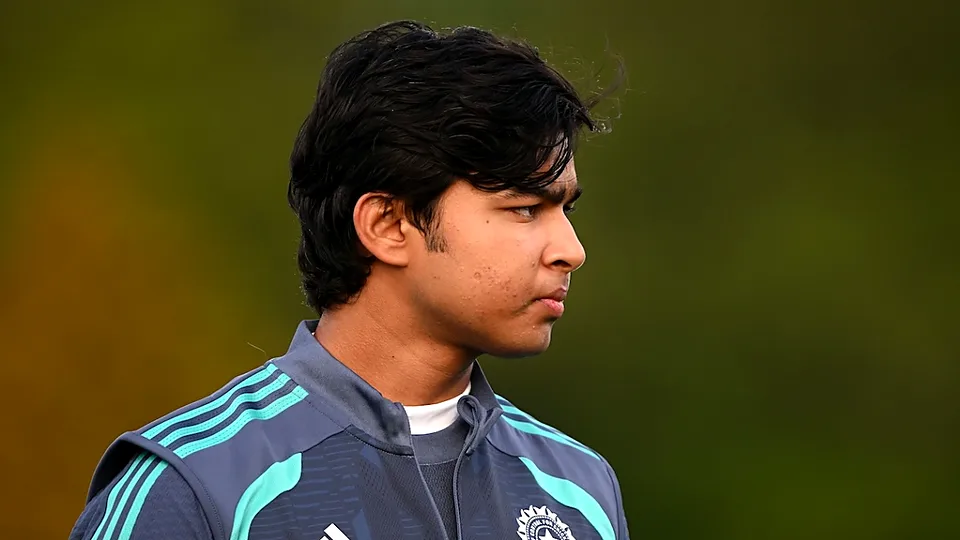
Published 2026-10-26 · By Gaurav Kaul (T20 Tactical & Toss Specialist · Mumbai Desk)
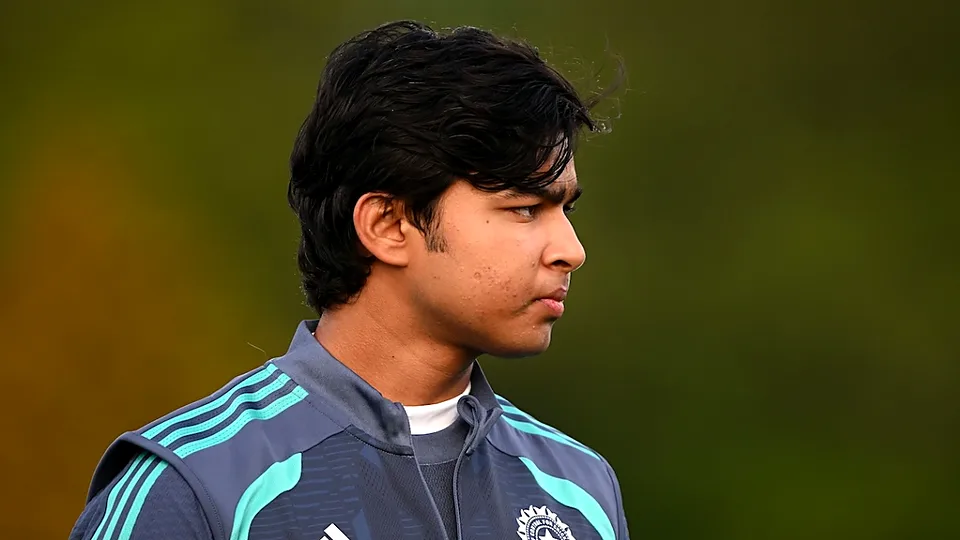
The new ball did the talking.
Vaibhav Sooryavanshi’s call to chase isn’t just a coin-flip result; it’s a calculated risk on the Christchurch deck. The surface there is notoriously skiddy at the top end, but the dew factor after 8:30 PM IST (local evening conditions) typically kills the seamers late. By choosing to follow on, Rohit Sharma’s camp is betting that Sooryavanshi’s left-handed pull shot will find that soft spot in the corridor between cover and mid-on before the field moves inward.
The Impact Player Dilemma
Let’s talk substitutions. Prince Yadav coming in for Mayank Yadav is a stark contrarian move. Mayank has the wickets, yes, but his economy against wrist-spin in this humidity is a nightmare scenario. Prince is slower, but he bowls into the pitch and keeps the line tight. This is where the Impact Player gamble usually derails teams. You lose a specialist bowler for a part-timer who can defend. In the IPL, we see this often: teams hoard their Impact for the final over, ignoring the structural collapse in the middle. Here, New Zealand brought in Jacob Duffy for Adam Milne. Duffy is a reverse-swing specialist. On a grassy top of the field, that’s a cheat code. Milne is a power-hitter; he doesn’t have the stock to exploit the early moisture.
Have you noticed how the boundary-percentage against left-arm wrist-spinners drops when the square of the field is open? The left-right batting pairs usually thrash them, but only if the pitch isn’t gripping. If the track is sticky red-soil, the ball skids through the legs and the off-breaker dominates. Christchurch in October is rarely sticky. It’s loose. That favors the wrist-spinners in the second half. So, why take the risk?
It’s the pre-toss Playing XI dilemma. Rishabh Pant? Maybe. But Sooryavanshi’s left-hand position is a tactical anchor. It forces the fielder on the off-side to shuffle wider. Every scout knows this: keep the off-side fielder wide, and the pull shot opens up the gap. It’s not about the six; it’s about the single that stretches the field.
Reading the Data
We track these nuances daily. When analyzing the live data streams for match preparation, platforms like Hero11App Official provide the granular shot-by-shot heatmaps that reveal exactly where the middle-overs choke happens. The data shows that teams chasing from here rarely win more than 35% of the time if they are stuck at 160/3 by the death. The margin for error is razor-thin. You need a strike-rate of 180+ in the final five. Sooryavanshi’s average is high, but so is his dismissal rate against pace in this phase.
- Fielding Setup: New Zealand will likely put three slingers on the deep. They expect the slog-sweep.
- Death Bowling: With Duffy in, expect reverse-swing yorkers. The ball grips the wet grass.
- Batting Pairing: If KL Rahul pairs with Sooryavanshi, you have two left-handers. The right-armers have to work for the wicket. The wrist-spinners? They are in heaven.
Nobody in the dugout bought the excuse that the chase is easy. It’s not. The skiddy hard length at the top of the order is where the game is won. If India’s top three are out for 20, the Impact Player substitution becomes irrelevant. You’re just throwing the kitchen sink at a crumbling house.
The Toss Was Never Coin-Flip
In modern T20 strategy, the toss is the first over. It sets the bowler’s choice and the bat’s timing. Sooryavanshi’s arrival isn’t just about running the show; it’s about owning the left-hand lane. The Impact Player rules in the IPL have taught us that flexibility is the currency. But in a bilateral series, you can’t just swap bowlers at will. You have to plan for the 10th wicket. Prince Yadav’s economy has to be under 9.0 to make the gamble work. If he concedes 15 in the 20th over, the dew factor makes it worse, not better.
The crowd at Hagley will be on their feet. But the real drama is in the crease. Can India hold the middle overs? Can Sooryavanshi negotiate the wrist-spin without getting picked out in the deep? That’s the question that keeps the cricket flicker live IPL analysts up at night. The tactics are set. Now the execution has to match. Otherwise, it’s just another day of chasing ghosts in the NZ night.
Related coverage
- BCCI’s Red-Ball Wake-Up Call: Bumrah Not Optional Anymore
- Kapil Dev Career Stats: What the Numbers Mean for Cricket Flicker Live Ipl

Updated 2026-10-26 · Instant Rupee Deposits & 60s Withdrawals · 24/7 Support.
Access Official CricketFlicker Portal →Executive Sports Editor · Chandigarh Desk
Rajat Patel has covered Indian cricket and digital sports from Chandigarh for over a decade. At CricketFlicker (cricketflicker.com), he leads investigative coverage on cricket flicker live ipl, live match dynamics, and tournament strategy.
Reader Discussion & Match Reactions (5)4.9★ Community (5 Comments)
Verified Indian cricket reader perspectives & tactical debate on cricketflicker.com
Mayank Yadav's high economy vs wrist-spin is a red flag for fantasy. Swapping him for Prince Yadav looks like a defensive play. I'm avoiding Mayank in my XI today.
Duffy replacing Milne is a tactical nightmare for India. Reverse swing on that dew-heavy deck favors their left-arm wrist-spin. Fielders need to be tight between covers.
Bhai, Sooryavanshi chasing? Paisa vasool if he pulls the stumps! Rohit ji is playing the long game with that left-handed finisher. Proper knock incoming, trust me.
NZ's Duffy swap is smart. He exploits early moisture better than Milne. For fantasy, I'd back NZ's top order against Indian middle overs due to field gaps.
@Shubham_Rao Fair point on Mayank, but don't ignore the dew factor. If the ball grips late, Prince Yadav's slower pace might hold up better than Mayank's economy. Watch that shift.