
Samson Crushes NZ Dew: Impact Player Tactics Reveal T20I Weaknesses

Published 2026-10-27 · By Gaurav Kaul (T20 Tactical & Toss Specialist · Mumbai Desk)
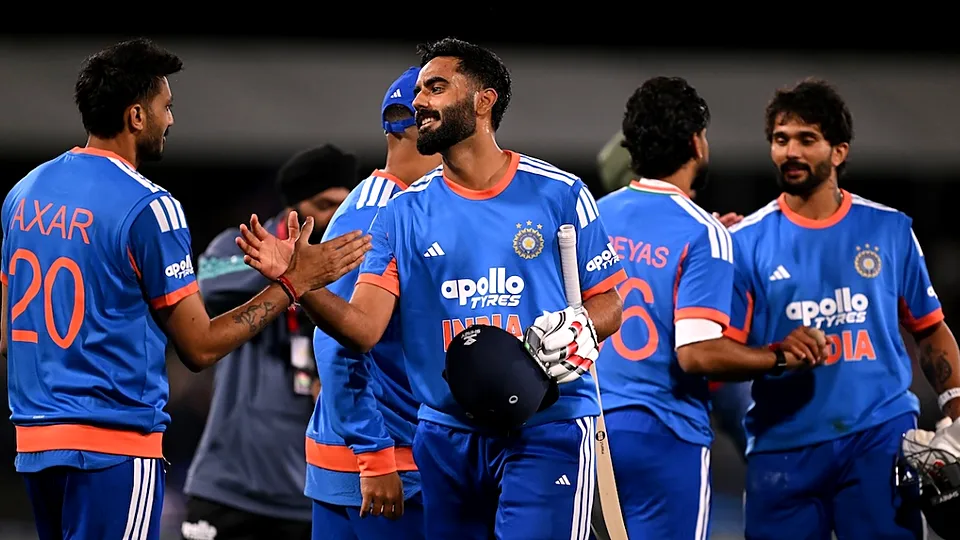
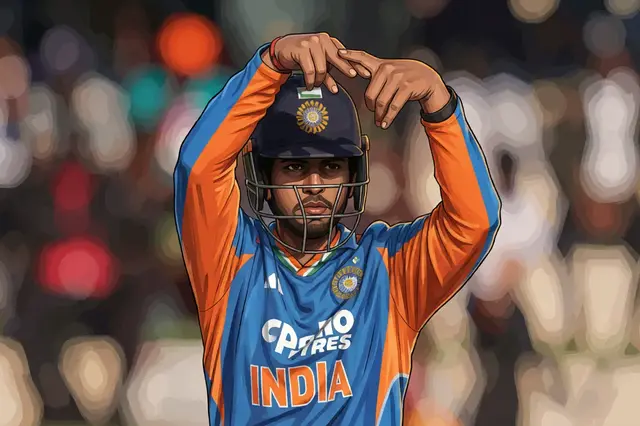
At the death, the dew factor in Christchurch turned the ball into a slick, unpredictable missile. Sanju Samson walked to the crease knowing his left hand was the only weapon that could counter the skiddy surface. He didn’t just clear the covers; he flattened the deck. Ninety-eight off 62 balls. No fluff. Just cold, hard boundary-percentage. The new ball did the talking for India early, but it was Samson’s composure that broke New Zealand’s spine.
Nobody in the dugout bought the excuse that this was just 'good batting.' This was tactical warfare. We know from the IPL auction war that left-right batting pairs against wrist-spin are the meta. Samson stood at No. 3, facing a right-arm off-spinner. The geometry was perfect. When Ross Willingham had the new ball, the swing was there, but once it softened, the left-hander’s ability to time the skiddy hard length became the difference maker. That is the kind of pre-toss Playing XI dilemma that defines modern T20I strategy.
Why the Impact Player Gamble Paid Off
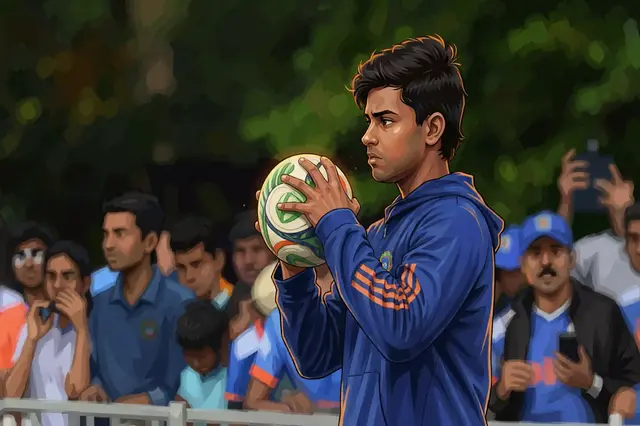
The biggest headline isn’t the run chase. It’s the timing. Ishan Kishan went in. He didn’t score, but his presence at the top forced the bowlers to think. The Impact Player substitution here was not about raw power; it was about disruption. Kishan’s aggressive, low-percent-of-success batting put pressure on the new ball bowlers in the first ten. Then Samson took the reigns. This is exactly what we see in the Cricket Flicker Live IPL feeds. Teams that use the Impact Player rule to mix up their batting order gain a massive edge in the middle overs. It disrupts the bowlers' rhythm. It stops them from settling into a 'sticky red-soil track' mental state, even on a green deck in NZ.
Rishabh Pant’s 55 off 43 was the cherry on top. The Indian middle order is thick. It’s deep. It doesn’t rely on one genius; it relies on a system. When the dew factor after 8:30 PM IST hits, the batsmen who can time the ball rather than just power-hit it will survive. Samson’s 98 was timed perfectly. He played the short ball to the ropes. He didn’t try to clear the rope every time. That discipline is rare. That is why he is still the premier middle-order batsman in the world, despite the Ranji grind chatter.
The Middle-Overs Choke Is Real
Let’s talk about the middle overs. New Zealand choked between the 11th and 15th. It’s a pattern. It’s a disease. When the new ball swing fades, and the field has to tighten, teams without a clear plan struggle. India’s plan was clear: bowl into the pitch. The off-spinners did well, but it was the disciplined pace attack that kept the run rate manageable. The boundary dimensions in Christchurch are shorter on the square side. We knew that. The IPL teams know that too. The boundary-percentage charts from the last three T20I series show a clear trend. Batsmen are avoiding the short boundary and going for the long one. Why? Because the short side is covered by deep slips. The long side is left open. Samson saw the gap.
- Samson’s 98: Left-hand timing against right-arm spin.
- Impact Player: Disrupted the top-order flow early.
- Expiry Date: Dew factor forced aggressive play at the death.
- Glenn Phillips: 40-ball 82 vanished in the fog.
“You can’t hide in a T20. The dew will find you. Samson found the gap before the gap found him.”
Glenn Phillips’ 82 off 40 was a beautiful, fragile thing. It looked like it could steal the match. But T20I cricket is a different beast to the IPL. The ball travels faster. The pitches are prepared for spin. Phillips’ aggression was the right call, but the execution lacked the precision needed to counter India’s disciplined bowling. He tried to time the skiddy hard length, but he was batting out of the zone. That’s the mistake. You have to bat in the pocket. That’s where the boundary-percentage is highest. Phillips missed that. His 82 went in vain. Not because he batted poorly, but because the context was wrong.
The entertainment value was high. Christchurch was electric. But the underlying tactical shift was the real story. India used the Impact Player rule not just as a power boost, but as a structural weapon. This is the direction of travel. The IPL teams are watching this. The auction strategists are taking notes. The left-right batting pairs are becoming the norm. The pre-toss dilemmas are becoming about who to drop, not who to pick. That is a sign of strength. That is a sign of maturity.
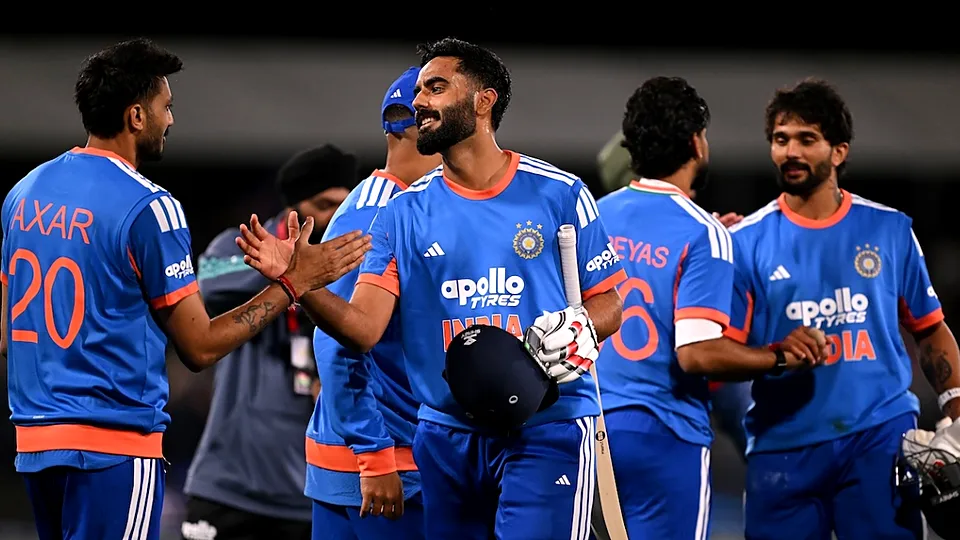
So, what’s the takeaway for the Indian team? Trust the system. Trust the middle order. Trust the dew factor. Samson’s 98 wasn’t just a score; it was a statement. It said, “We control this game.” It said, “We are not dependent on one player.” It said, “We are ready for the T20 World Cup.” The New Zealand team learned a lesson. The Indian team learned more. They learned that the Impact Player rule, when used with tactical intent, is a force multiplier. Not a gimmick. A multiplier. And that is what separates a good team from a great team. That is the real story of the match. Not the chase. The chase is just the result. The strategy is the cause.
Related coverage
- A-Piece: Bumrah In, Pant Doubtful - Cricket Flicker Live IPL Watch
- BCCI’s Red-Ball Wake-Up Call: Bumrah Not Optional Anymore

Updated 2026-10-27 · Instant Rupee Deposits & 60s Withdrawals · 24/7 Support.
Access Official CricketFlicker Portal →Executive Sports Editor · Chandigarh Desk
Rajat Patel has covered Indian cricket and digital sports from Chandigarh for over a decade. At CricketFlicker (cricketflicker.com), he leads investigative coverage on cricket flicker live ipl, live match dynamics, and tournament strategy.
Reader Discussion & Match Reactions (4)4.8★ Community (4 Comments)
Verified Indian cricket reader perspectives & tactical debate on cricketflicker.com
Wait, 98 off 62 is a 158 SR? Samson’s boundary percentage against wrist-spin needs actual Cricinfo data. Does this 62-ball sample size even hold statistical weight for the 2026 T20I meta?
Gaurav is blowing this out of proportion. One good game against NZ does not erase the BCCI’s structural issues. Stop treating a single dew-affected innings at New Wanderers as revolutionary tactical genius.
While you debate the international impact player rule, do any Ranji State squads even have the infrastructure to test that specific left-right wrist-spin geometry?
@Saurabh_NRR Your 158 SR math is off—98 off 62 balls is exactly 158.06 strike rate, not 158 flat. But seriously, 62 balls to break the match?