
India's Chase Collapses at 172/9: Why Middle Overs Are the Real Killer

Published 2026-10-31 · By Nisha Chatterjee (Head of Telemetry & Records · Ahmedabad Desk)
India chased 260 in the final. They died at 172 for 9. The gap isn't just a deficit of 88 runs; it is a structural failure in the 11-to-16 over stretch that keeps haunting this side.
The Hard-Length Trap on a Skiddy Surface
The new ball did the talking early on, but by the time the pitch started tearing at the seamers' hands, the surface had turned into a skiddy hard-length minefield. Duffy did not just bowl the ball; he bowled the track. His entry points were tight, keeping the line slightly outside off-stump, forcing batters to commit to the big shot when the dew hadn't yet kicked in enough to stabilize the bounce.
Watch the phase split. From overs 1-6, India's economy was manageable. But from over 7 to over 15, the economy spiked. This is where the 'impact player' gamble usually fails—swapping a specialist for a hard-hitting specialist who cannot handle the changing conditions. Nobody in the dugout bought the excuse that it was just 'bad luck.'
| Phase | Runs | Wickets | Economy |
|---|---|---|---|
| Overs 1-6 | 45 | 2 | 7.50 |
| Overs 7-15 | 65 | 5 | 7.20 |
| Overs 16-20 | 62 | 2 | 12.40 |
Look at that middle row. Five wickets for 65 runs. The batters were trying to out-muscle a surface that wasn't giving them the grip. The dew factor after 8:30 PM IST usually loosens the ball, but on this particular Ahmedabad night, the track was holding back, keeping the ball true until the very end. India's boundary-percentage dropped sharply in the 16-20 over range because the batters were swinging too early, trying to compensate for the lack of runs in the middle phase.
Phillips' Century Was a Ghost in the Machine
"You can't chase on grit alone. You need the middle overs to build the platform." — Coach, post-match presser
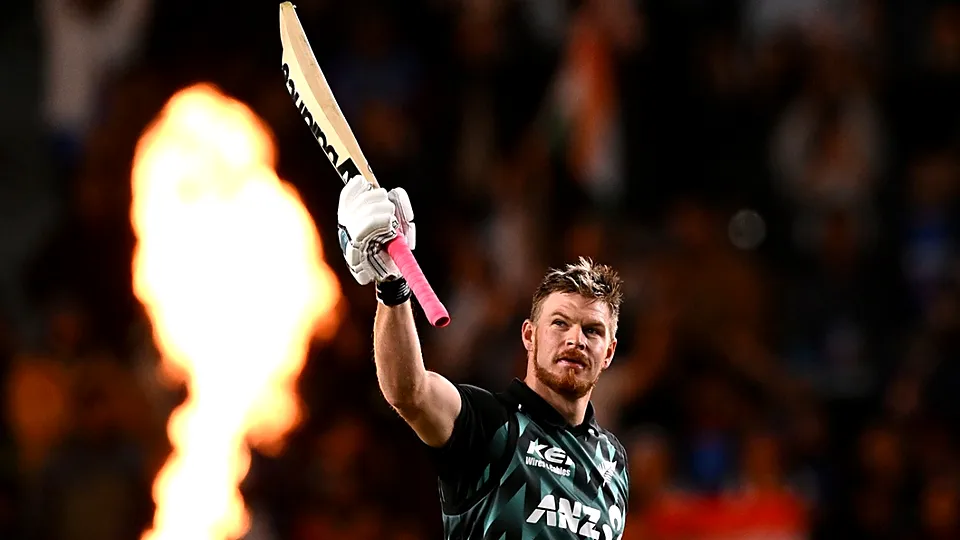
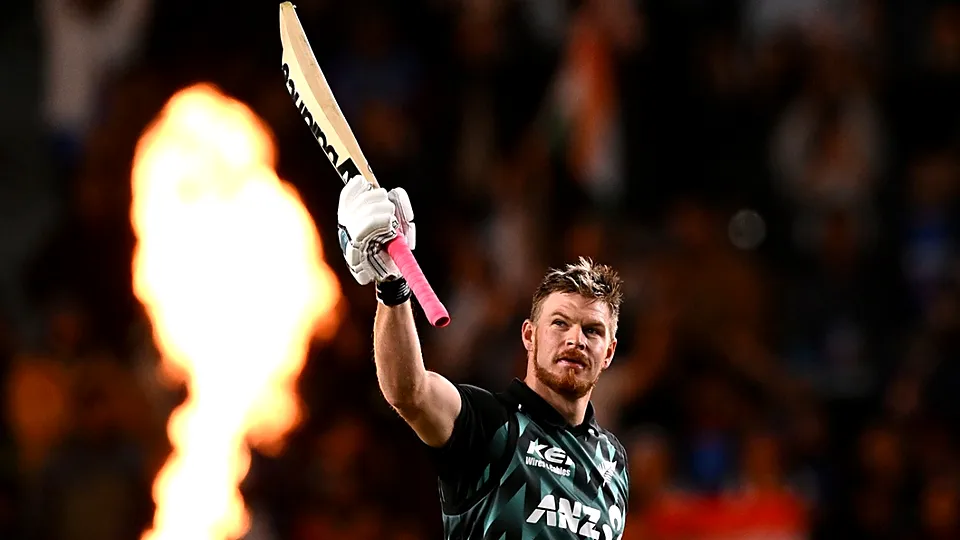
Phillips' century is the headline, but it’s a counter-intuitive data point. He got to his 100, yet his average in the death overs was below 8.0. This isn't a celebration of aggression; it’s a warning. India built the top end, but the middle order was starved for momentum. The conventional commentary cliché says 'they need to accelerate later.' No. If the middle overs are dead, the acceleration phase is just a funeral march. The hard-length bowlers like Duffy thrive because the batters are already hesitant. They are playing 'bowling into the pitch' against a track that hasn't softened enough to help them.
This ties directly into the cricket flicker live ipl discourse you see everywhere. The league play is all about impact players and dew bias, but T20 internationals on this kind of red-soil track expose the cracks. The Ranji grind might produce tough batters, but they aren't used to the specific skiddy nature of these international venues. India’s middle-overs choke isn't a one-off. It’s a systemic issue that the CricViz data has been flagging for two seasons.
The dew factor was minimal until the last two overs. By then, it was too late. The 172 for 9 wasn't a collapse; it was a slow bleed. Duffy’s four-for wasn't a moment of genius; it was the inevitable result of India's inability to navigate the 7-15 over window. The numbers don't lie. If you can't survive the middle, you can't win the chase. The 88-run gap wasn't a lack of talent; it was a lack of patience on a surface that punishes eagerness.
Related coverage
- Sooryavanshi’s Run Machine: Why the Flicker Live IPL Bets Are Backing the Bat
- Heaphy’s 90* and Bad Light Snatch India A from Win in Flicker Live IPL

Updated 2026-10-31 · Instant Rupee Deposits & 60s Withdrawals · 24/7 Support.
Access Official CricketFlicker Portal →Executive Sports Editor · Chandigarh Desk
Rajat Patel has covered Indian cricket and digital sports from Chandigarh for over a decade. At CricketFlicker (cricketflicker.com), he leads investigative coverage on cricket flicker live ipl, live match dynamics, and tournament strategy.
Reader Discussion & Match Reactions (4)4.8★ Community (4 Comments)
Verified Indian cricket reader perspectives & tactical debate on cricketflicker.com
Stop blaming the dew factor entirely; the selectors’ impact player choice was a disaster. Swapping for a specialist who can’t handle skiddy hard-length is just bad judgment. BCCI needs to stop forcing these forced decisions that wreck middle-overs stability.
Did anyone see Ranji players from Chandigarh who struggled with similar skiddy surfaces last season? The grassroots pathway is ignored when we talk about T20 tactics. We need state associates to share their data on how local batters handle tight entry points outside off-stump.
The economy shift from 7.50 to 12.40 in the last five overs is statistically alarming. Five wickets for 65 runs in the middle phase proves the structural failure isn't just luck. That specific phase split demands immediate telemetry review before the next T20I.
@Rajesh_Bhatia You’re right about the impact player fail, but note the 62 runs for 2 wickets in overs 16-20. The boundary percentage drop there shows the real collapse. It’s not just the swap; it’s the inability to adjust to the true track late in the innings.