
Two Indias? The BCCI's Bold Gamble to End the T20 Talent Logjam

Published 2026-11-02 · By Rajat Patel (Executive Sports Editor · Chandigarh Desk)
Three wickets for twelve runs in the first four overs. That is usually where the dream starts. But for the fringe Indian T20 specialist, the dream usually ends in a plane back to the hotel before they’ve even unpacked their kit bag. The revolving door of the national side has become a carousel of anxiety.
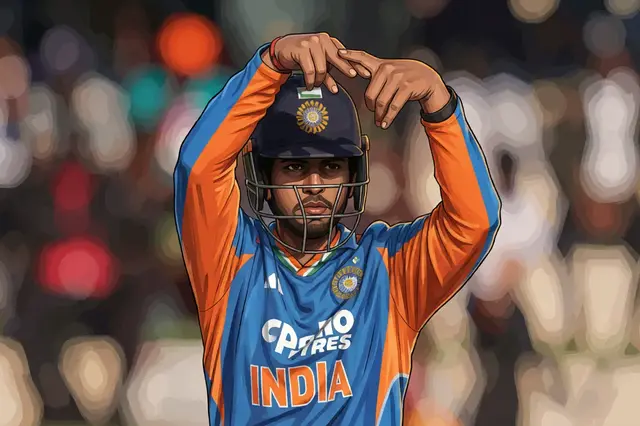
The BCCI is now weighing a radical pivot: a two-team structure for the T20 format. No more frantic scrap for eleven spots. Instead, two distinct national squads—essentially India A and India B, but with full international legitimacy—competing and evolving in parallel. It is a blunt solution to a chronic problem.
The Death of the 'One-Series Wonder'
For years, the selection committee has played a dangerous game of musical chairs. A bowler delivers a blistering new-ball burst in a bilateral series, gets a three-match contract, fails to hit a skiddy hard length in the second game, and vanishes into the depths of the domestic circuit. It is a brutal cycle. Players are too scared to fail. They play for their spot, not for the win.
By splitting the pool, the board creates a safety net. A player can struggle with the dew factor after 8:30 PM IST or miss his yorkers at the death without facing immediate exile. It allows for a gradual build-up. We need the Ranji grind to feed the T20 game, not just a few flashy cameos in the IPL.
Managing the Impact Player Chaos
The current system is skewed. We see the same ten names appearing on every team sheet across the league. While fans track every boundary-percentage on cricket flicker live ipl, the actual depth of the national pool remains a mystery. We are over-reliant on a handful of superstars who are perpetually one hamstring tweak away from a crisis.
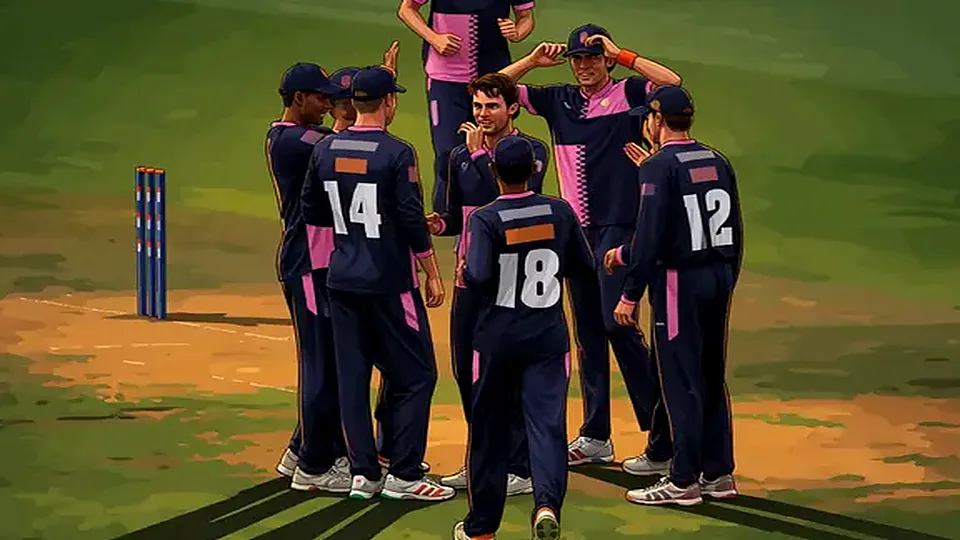
A two-team setup forces the selectors to look deeper. It stops the middle-overs choke that happens when the primary spinners are off their game and there is no seasoned replacement ready to step in. Imagine a scenario where:
- Squad A handles the primary ICC calendar.
- Squad B takes on emerging nations and A-teams.
- Promotion and relegation happen based on raw data and temperament.
The Dressing-Room Politics
Will the seniors buy it? Probably not at first. There is an inherent ego in being 'the' Indian team. The notion of a 'second string' side smells of devaluation. However, the tactical gains outweigh the bruised egos. The current load on the top order is unsustainable. They are playing every single game, from the group stages to the finals, often on sticky red-soil tracks that chew up the joints.
"The problem isn't a lack of talent in India. The problem is the fear of the drop. You cannot ask a 22-year-old to be perfect in his first five overs under the lights of Wankhede."
A Calculated Risk
The logistics are a nightmare. Managing two sets of coaches, two support staffs, and double the travel will bleed the coffers. But the cost of mediocrity is higher. We cannot keep relying on the Impact Player gamble to fix structural flaws in our squad depth.
If the BCCI pulls this off, it ends the era of the 'temporary' cricketer. It turns the T20 setup into a conveyor belt rather than a lottery. It is time to stop treating the national cap like a disposable garment. Give the kids a chance to fail, learn, and eventually, conquer. The alternative is just more of the same—brilliant starts followed by a collapse that leaves the press box scratching its head.
Related coverage
- Cricket Flicker Live IPL: GT's Middle Overs vs PBKS's Late Hit
- Chennai Desk: Inside the Asian Games 2026 Cricket Final & the Live IPL Hype Cycle

Updated 2026-11-02 · Instant Rupee Deposits & 60s Withdrawals · 24/7 Support.
Access Official CricketFlicker Portal →Executive Sports Editor · Chandigarh Desk
Rajat Patel has covered Indian cricket and digital sports from Chandigarh for over a decade. At CricketFlicker (cricketflicker.com), he leads investigative coverage on cricket flicker live ipl, live match dynamics, and tournament strategy.
Reader Discussion & Match Reactions (7)4.8★ Community (7 Comments)
Verified Indian cricket reader perspectives & tactical debate on cricketflicker.com
The Ranji grind mention is key. Grassroots batters in Guwahati need stable T20 pathways, not just IPL flash. Ignore this and we lose depth.
12 runs in 4 overs? That’s a 3.00 economy. The article ignores the Impact Player rule change that skewed 2026 data. Nonsense.
Two squads? Sounds like BCCI hedging bets. If India B underperforms, the selectors will still pick the same ten names. Politics win.
Women’s SMAT needs this clarity too. Without parallel structures, junior batters in Pune get no runway. BCCI forgets the pipeline.
Strike rates in T20 are volatile. Citing one series' 12/4 overs as a trend is bad science. We need longitudinal data before splitting teams.
Risk: India B becomes a talent drain for franchise T20 leagues. Players stay local instead of grinding for national spots. BCCI loses control.
@Anirudh_Guwahati You’re right about the Ranji grind. Add that the 8:30 PM dew factor in Chennai makes early wickets crucial. Ignored in the piece.