
Kiwi Chaos: India’s T20 Blueprint Still Looks Like a Rough Draft

Published 2026-11-08 · By Rajat Patel (Executive Sports Editor · Chandigarh Desk)
The ball was skidding. The surface looked like a dusty slab of concrete. Then came the first over—a relentless, nagging line on off-stump that had the openers poking at ghosts. It wasn't a masterclass in swing, but it was a clinic in discipline, and India looked utterly bewildered by it.
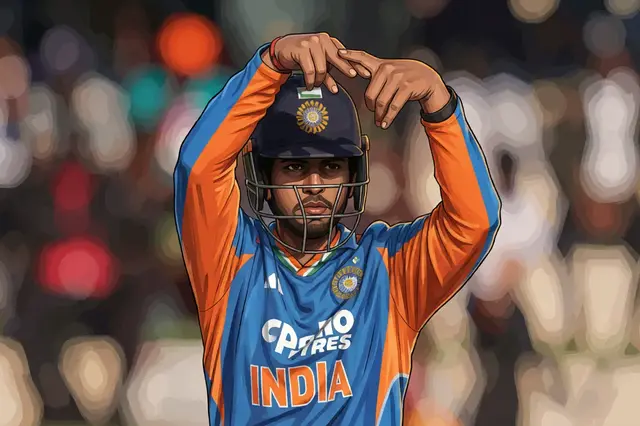
Watching the first T20I against New Zealand, one couldn't help but feel the deja vu. We see the same pattern: a blistering start, a sudden middle-overs choke, and a finish that feels more like a prayer than a plan. The Kiwis didn't even have to sweat. They just waited for the inevitable collapse, leaning back in their chairs as the Indian batting order folded like a cheap lawn chair in a monsoon.
The Impact Player Gamble That Failed
The selection call was, frankly, bizarre. Bringing in a specialist anchor when the pitch demanded a pinch-hitter was a gamble that didn't just fail—it backfired. The boundary-percentage plummeted the moment the sixth bowler entered the fray. Why are we still treating T20s like a glorified 50-over game? The modern game doesn't reward caution; it rewards aggression. India, however, seemed content to nudge singles while the required rate climbed into the stratosphere.
The dressing-room chatter usually revolves around 'intent,' but intent without a tactical map is just chaos. We saw a middle order that looked stuck in a Ranji grind, playing for survival rather than dominance. It's a systemic failure. The approach is stagnant.
Death Bowling: A Recurring Nightmare
Then there is the matter of the death overs. Bowling at the death is an art, but currently, India is painting with a broad, clumsy brush. The wide yorkers were too wide, and the slower balls were far too slow—basically invitations for the Kiwi batters to clear the ropes. When you concede 18 runs in the final two overs of a tight game, you aren't just losing a match; you're losing the psychological edge.
The dew factor after 8:30 PM IST played its part, making the ball a greasy soap bar in the bowlers' hands. But that's no excuse for a lack of variations. A simple change of pace or a well-executed bouncer would have disrupted the rhythm. Instead, we got a predictable sequence of full-tosses that felt scripted.
The IPL Shadow and the National Side
It is impossible to ignore the influence of the franchise circuit on these calls. Every time a fan checks cricket flicker live ipl updates during the season, they see a version of these players that is fearless, inventive, and ruthless. So why does that swagger vanish the moment the blue jersey goes on? The disconnect is glaring. The T20I setup feels like a diluted version of the IPL, stripped of the risk-taking that makes the format electric.
"We are playing a 2022 version of T20 cricket in 2026. The game has moved on; we are just reading the old manual."
What Needs to Change Before Game Two
If India wants to salvage this series, the blueprint needs a total rewrite. The following shifts are non-negotiable:
- Stop the Anchor Obsession: Promote the hitters. Let them fail fast rather than fail slowly.
- Death Over Discipline: Stop hunting for the perfect yorker and start focusing on hitting the hard length.
- Fielding Aggression: The ring was too loose. New Zealand found gaps that shouldn't have existed in a professional setup.
The talent is there. The pedigree is unmatched. But as it stands, India is playing a game of checkers while New Zealand is playing chess. One match doesn't define a series, but it certainly defines a mood. Right now, the mood in the camp looks anxious. It should be.
Related coverage
- Cricket Flicker Live Ipl: Rain Won't Hide India's 7-15 Handbrake
- West Indies in India: Selection Gaps and the T20I Identity Crisis

Updated 2026-11-08 · Instant Rupee Deposits & 60s Withdrawals · 24/7 Support.
Access Official CricketFlicker Portal →Executive Sports Editor · Chandigarh Desk
Rajat Patel has covered Indian cricket and digital sports from Chandigarh for over a decade. At CricketFlicker (cricketflicker.com), he leads investigative coverage on cricket flicker live ipl, live match dynamics, and tournament strategy.
Reader Discussion & Match Reactions (5)4.9★ Community (5 Comments)
Verified Indian cricket reader perspectives & tactical debate on cricketflicker.com
Shubham_Rao: The article’s highlight—bringing a specialist anchor instead of a pinch‑hitter—sent India’s fantasy points plummeting; the sixth bowler’s entry saw the boundary‑percentage nosedive, turning what could have been a 30‑run over into a single‑run lull. I’ll bench the anchor for a power‑hitter like Ishan Kishan in my XI.
Arjun_Venkat: A dusty concrete‑like surface and early moisture meant the ball kept skidding, rewarding aggressive swing; yet India persisted with defensive lines, while New Zealand’s death bowler, the sixth change, exploited the low bounce to choke the run‑rate. No dew factor was mentioned, but the pitch dictated a pinch‑hitter, not an anchor.
Rohit_Paltan99: Yaar, watching the openers get ghost‑poked on that first over was pure paisa vasool disappointment, and the middle order’s Ranji‑grade crawl felt like a cheap lawn chair collapsing in a monsoon—no proper knock, just a prayer for a finish.
Tushar_TossCall: With India’s required run‑rate soaring into the stratosphere after the sixth bowler’s entry, my fantasy model now favors New Zealand’s death trio—especially the fast bowler who kept the boundary‑percentage down—while I drop the Indian anchor and add a pinch‑hitter for the final powerplay.
@Shubham_Rao I agree the anchor gamble backfired, and the article even notes the impact‑player rule fizzled as the sixth bowler’s spell slashed the boundary‑percentage, turning a potential 20‑run over into a single‑run lull, leaving the middle order stuck in a Ranji grind.