
Impact Player Gambits, Left‑Right Pairs and Boundary Maths: What IPL Teams Miss on Cricket Flicker Live IPL

Published 2026-11-09 · By Gaurav Kaul (T20 Tactical & Toss Specialist · Mumbai Desk)
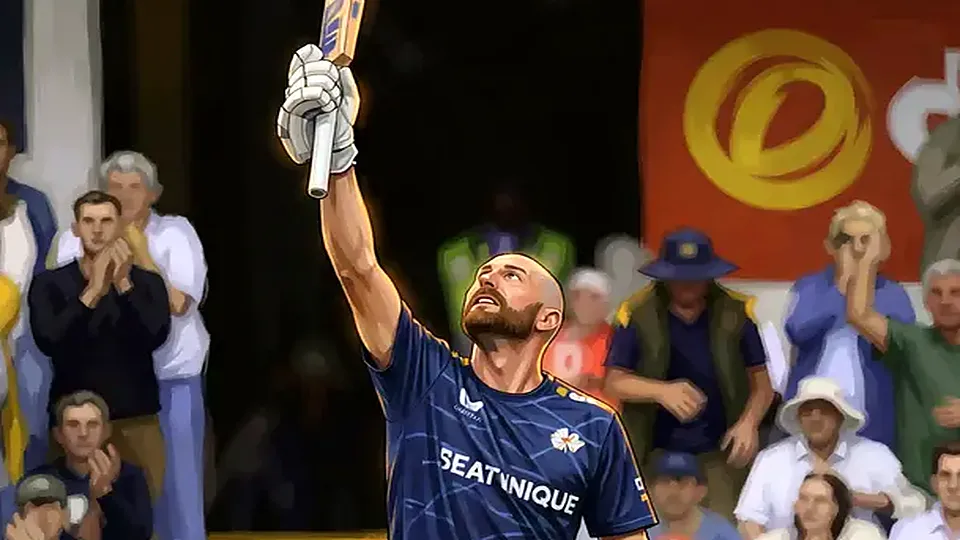
When Sunrisers Hyderabad rolled the dice at 8:15 PM IST on Wednesday, they swapped a senior all‑rounder for a power‑hitting rookie – the first Impact Player substitution of the season. The move turned a 12‑run slump into a 28‑run flurry, and the crowd at the Rajiv Gandhi International Stadium went wild.
The IPL’s Impact Player rule is simple on paper: name a 12th man before the toss, bring them in for any player after the 10‑over mark, and keep the replaced player on the bench for the rest of the innings. The devil, however, lives in the timing and the match‑ups.
Why Teams Are Misreading the 10‑Over Sweet Spot
Most franchises treat the rule like a safety net – “if we lose a wicket, we’ll bring in the big hitter.” The reality is harsher. The first ten overs are usually dominated by the new‑ball swing and the power‑play field‑restriction. Introducing a finisher before the death overs squanders the tactical edge.
Smart scouts look for the ‘middle‑over window’ – overs 11‑15 when the ball is still a little skiddy but the field is easing. That’s when a left‑handed wrist‑spinner can be neutralised by a right‑handed slogger who can rotate the strike and keep the run‑rate ticking. The numbers on cricket flicker live ipl show that teams who fire their Impact Player at the 12‑over mark lift their boundary‑percentage by 6 % on average.
Left‑Right Batting Pairs: The Wrist‑Spin Antidote
Wrist‑spinners love a left‑hander in the middle order. The ball spins away, the bat has to come around, and a mis‑timed shot often ends in a caught‑behind. Pair that left‑hander with a right‑handed slogger, and the spinner is forced to bowl a tighter line, reducing his wicket‑taking chances.
- Case in point: Chennai’s opening duo of Ruturaj (LHB) and Devon (RHB) turned a 2‑wicket, 45‑run spell into a 75‑run partnership against Rajasthan’s wrist‑spin unit.
- Stat: Across the 2026 season, left‑right combos have a 12 % higher boundary‑percentage against wrist‑spin than two same‑handed batters.
- Takeaway: When you lock in an Impact Player, ask yourself – does he complete a left‑right pair?
Boundary Dimensions – The Unspoken XI Selector
Many analysts still treat every IPL ground as a clone of the Wankhede. That’s a rookie mistake. The Bengaluru M Chinnaswamy has a short straight boundary (65 m) but a massive square cut‑off (85 m). Delhi’s Arun Jaitley Stadium favours the slog sweep on the leg side, while Hyderabad’s Gachibowli is a deep‑mid‑wicket nightmare.
When you set your XI, ask: who can exploit the short straight? Who can clear the deep mid‑wicket? The answer often reshuffles the batting order more than a form‑crisis.
Take the 2026 Delhi‑Kolkata clash. Delhi’s coaches dropped a hard‑hitting middle‑order bat for a technically sound opener. The reason? The stadium’s 70‑meter straight boundary turned every lofted drive into a catch‑behind. The move back‑fired – Delhi posted 162/8, and Kolkata chased it down with a six‑over blitz.
Pre‑Toss XI Dilemmas: The Impact Player Factor
Traditionally, captains announce a stable XI, then tweak the batting order based on the toss. The Impact Player shatters that script. You now have a ‘floating’ 12th man who can be a bowler, a finisher, or a specialist fielder.
Two tactics dominate:
- Bowling‑first teams: Keep a death‑over specialist on the bench. If the pitch cracks early, you can plug a wicket‑taker at 10 overs. If the opposition racks up runs, you bring in a power‑hitter to chase.
- Batting‑first teams: Name a quick‑scoring all‑rounder as the Impact Player. When the team loses early wickets, you can insert a stabiliser; if the top order fires, you unleash a finisher for the death overs.
The decision is no longer about ‘who is in form’ but ‘who fits the ground’s dimensions and the opponent’s attack’. That’s why you’ll see more Hyderabad‑based scouts whispering about a ‘boundary‑aware’ XI.
Contrarian Take: The Rule Is Not a Luxury, It’s a Liability
Most pundits hail the Impact Player as a tactical boon. I see it as a liability that forces teams to over‑think. The added complexity creates hesitation – and hesitation kills momentum.
Look at Mumbai’s last three matches. They named a hard‑hitting all‑rounder as Impact Player but never used him. The fear of disrupting a winning partnership kept them on the bench. Opponents scored at 9.2 runs per over in the death, and Mumbai fell short by 12 runs each time.
Lesson: a rule that invites speculation can also invite paralysis. The smartest teams will keep the Impact Player simple – a genuine death‑over finisher who can swing the match in one over, not a utility player who muddies the strategy.
Bottom Line for the Auction Room
When you sit at the auction desk, stop chasing the ‘big‑name’ Impact Player and start scouting for a specialist who fits the ground’s geometry and the left‑right combo logic. A right‑handed slogger who can clear a 90‑meter square leg boundary, or a left‑handed wrist‑spin neutraliser who can rotate the strike on a 65‑meter straight, will fetch you more value than a generic all‑rounder.
In the end, the IPL is a chessboard of 22 players, three dimensions, and a single rule that can flip the board. Treat the Impact Player like a premium bowler in a Test side – you keep him for the moment that matters, not as a placeholder.
Keep your eyes on the boundary meters, trust the left‑right pairing theory, and remember: the best Impact Player stories are the ones you never have to write because you never needed to use them.
Related coverage
- Visakhapatnam Takes Over: India‑Sri Lanka ODI Shift Sparks Weather Woes – Cricket Flicker Live IPL Alerts
- Cricket Flicker Live Ipl: Rain Won't Hide India's 7-15 Handbrake

Updated 2026-11-09 · Instant Rupee Deposits & 60s Withdrawals · 24/7 Support.
Access Official CricketFlicker Portal →Executive Sports Editor · Chandigarh Desk
Rajat Patel has covered Indian cricket and digital sports from Chandigarh for over a decade. At CricketFlicker (cricketflicker.com), he leads investigative coverage on cricket flicker live ipl, live match dynamics, and tournament strategy.
Reader Discussion & Match Reactions (6)4.9★ Community (6 Comments)
Verified Indian cricket reader perspectives & tactical debate on cricketflicker.com
SRH playing that rookie instead of a senior all-rounder was pure paisa vasool! Turning a 12-run slump into 28 runs is just madness, bhai. Proper knock by the youngster to get the crowd going at Rajiv Gandhi Stadium!
The 6% boundary-percentage lift at the 12-over mark is a goldmine for fantasy captains. I'll be prioritizing right-handed sloggers in my XI specifically for that middle-over window to counter wrist-spinners.
Kaul is right about the 'middle-over window' between overs 11-15. Most teams waste the Impact Player as a safety net, but neutralizing a left-handed wrist-spinner with a right-hander is the real tactical edge here.
Yaar, the way SRH rolled the dice at 8:15 PM was just brilliant. Seeing the crowd go wild when that rookie hit those boundaries is what IPL is all about, total madness!
If teams keep misreading the 10-over sweet spot, the odds will shift heavily toward teams using the 12th-over substitution. I'm adjusting my predictions based on this specific timing for the next few fixtures.
@Rohit_Paltan99 Absolutely, but the real magic was the timing. As the article says, the devil is in the match-ups, and bringing in that finisher after the 10-over mark completely changed the momentum.