
India U19’s Last-Ball Heist: A Lesson in Nerve Over Pakistan


Published 2026-11-18 · By Rajat Patel (Executive Sports Editor · Chandigarh Desk)

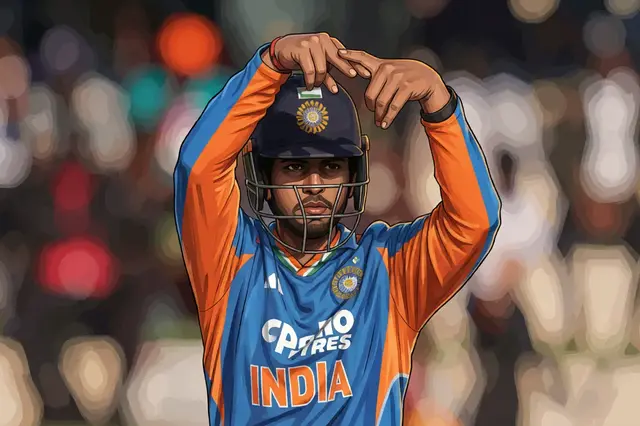
One run. Six balls. A Pakistani seamer steaming in with a look of absolute conviction. The crowd was a wall of noise, the air thick with that specific, suffocating tension only a clash with Pakistan can produce. Then came the scramble—a desperate, lunging dive that barely beat the bails. India had snatched it. The Asia Cup was theirs, not through a dominant rout, but through a gritty, ugly, beautiful survival act.
The New-Ball Burst That Almost Failed
India started the day looking like they’d forgotten how to bowl at a hard length. The opening spell was too tentative. Too many half-volleys. The Pakistan openers feasted on a lack of discipline, treating the first ten overs like a leisurely net session. It was a classic case of early-over nerves. The captain kept shuffling his bowlers, unable to find a line that didn't invite the drive.
Then came the turnaround. A sudden shift in the wind, perhaps, or just a realization that the trophy wasn't going to walk into the dressing room on its own. India tightened the screws. They stopped searching for the magic delivery and started bowling into the pitch, forcing the Pakistani middle order to work for every single run. The dot-ball percentage climbed. The pressure mounted. It was a textbook example of how to stifle an opponent in a high-stakes final.
The Middle-Overs Choke
The chase was where the real drama unfolded. India’s top order looked shaky. They played too many shots across the line. They treated the powerplay like a T20 blast rather than a calculated hunt. By the 15th over, the required rate had climbed to a daunting 11 an over. The dugout looked panicked. The fans were biting their nails.
How did they recover? Pure, unadulterated stubbornness. A few gritty partnerships—built on twos and threes rather than boundaries—kept the scoreboard ticking. They survived a middle-overs choke that would have broken a lesser side. It wasn't pretty cricket. It was Ranji-style grind transplanted into a white-ball final. They didn't play the percentages; they played the moment.
"We didn't believe in the plan for the first half, but we believed in each other for the second," the skipper remarked post-match. A cliché, sure, but in this game, clichés are often the only truth.
From Asia Cup to the Big Stage
Looking at this squad, you see the blueprint for the next cycle. The composure shown in those final three overs suggests a mental toughness that usually takes years to develop. These kids aren't just playing for a trophy; they are auditioning for the biggest stages in the world. For those tracking the next generation of stars, this is the kind of temperament that translates directly to the high-pressure environments seen on cricket flicker live ipl streams, where one mistake equals a million trolls.
The tactical takeaway? India won because they embraced the chaos. Pakistan had the better bowling figures for 40 overs, but India had the better nerves for the final six balls. That is the difference between a runner-up medal and a gold trophy.
The Final Tally: A Statistical Glance
| Metric | India U19 | Pakistan U19 |
|---|---|---|
| Dot Ball % (Death Overs) | 32% | 18% |
| Boundary Percentage | 41% | 48% |
| Wickets in Powerplay | 1 | 2 |
This wasn't a masterclass in technique. It was a victory of will. The trophy returns to India, and the debate over who the next great finisher is continues. For now, the celebration in the camp will be loud, long, and entirely deserved. They stared into the abyss and blinked last.
Related coverage
- BCCI Names XI for Sri Lanka Tour Amid Dew Factor and Impact Player Gamble
- Cricket Flicker Live Ipl: India's Spin Choke vs Pakistan's Dew Gamble

Updated 2026-11-18 · Instant Rupee Deposits & 60s Withdrawals · 24/7 Support.
Access Official CricketFlicker Portal →Executive Sports Editor · Chandigarh Desk
Rajat Patel has covered Indian cricket and digital sports from Chandigarh for over a decade. At CricketFlicker (cricketflicker.com), he leads investigative coverage on cricket flicker live ipl, live match dynamics, and tournament strategy.
Reader Discussion & Match Reactions (7)4.7★ Community (7 Comments)
Verified Indian cricket reader perspectives & tactical debate on cricketflicker.com
Rajat misses the point: the 'New-Ball Burst' failure wasn't luck, it was the board's obsession with short-pitched attacks that ignores U19 discipline. Shuffling bowlers in the first ten overs is a tactical suicide mission that Pakistan openers exploited like a net session. This isn't grit, it's structural incompetence.
The middle-overs choke is exactly why state associations like Maharashtra and Punjab need to stop sending the same 15-year-olds through the same chaotic pipeline. Grassroots coaches in Ranji teams spend months drilling powerplay discipline that U19 players ignore, treating a final like a T20 blast rather than a measured chase. We need more focus on those specific state-level drills.
Wait, 'dot-ball percentage climbed' but they still lost the early overs? That data point is vague. If the pressure mounted only after the 'textbook' tightening, where are the strike-rate drops for the Pakistani middle order? Citing percentages without the actual run-rate context is lazy analysis. I need the exact figures from the 11th to 16th over to validate that turnaround claim.
Calling a U19 final 'Asia Cup' is editorial license Rajat shouldn't have taken. More importantly, the 'sudden shift in the wind' excuse for India's bowling turnaround is nonsense. Red-ball cricket demands consistency, not weather miracles. The captain's indecision in the first ten overs is a board selection failure, not a tactical nuance. This narrative protects mediocrity.
Those 'shaky top order' mentions ignore the non-mainstream players from the Northeast who usually anchor these chases. Guwahati's domestic circuit sees similar pressure builds, and when the powerplay is treated as a blast, the lack of foundational state association training shows. We need to highlight how these specific regional players bridge the gap between net practice and match tension, not just the famous names.
The 'six balls' finish is statistically irrelevant without the context of the Pakistani seamer's economy rate in the final over. Was it a high-risk delivery or a safe one? The article says 'steaming in with conviction,' but that's emotional, not data. I want to see the ball speed and the specific strike rate of the Indian batsman in that final phase to judge if the dive was necessary or a fluke.
@Rajesh_Bhatia The board's neglect is real, but look at the 'desperate, lunging dive' detail. That specific moment shows the physical toll of playing without proper warm-up protocols, which is a risk we see in state league matches too. It’s not just politics, it’s the physical breakdown of players forced into high-pressure finishes without adequate recovery time, a gap our domestic systems rarely address.