
Iyer Admits Batting Flop: Why Bowling Won It All In This Cricket Flicker Live Ipl Thriller

Published 2026-11-22 · By Gaurav Kaul (T20 Tactical & Toss Specialist · Mumbai Desk)
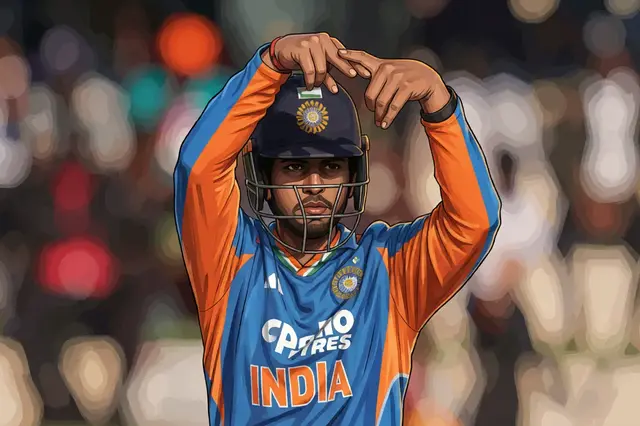
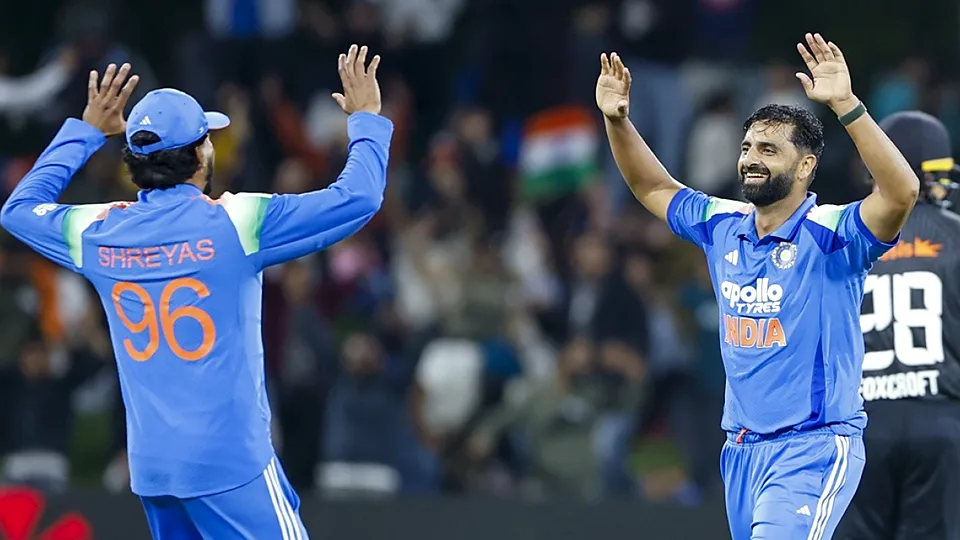
The new ball did the talking. That’s the blunt reality Shubman Iyer just admitted in the post-match media pool.
Forget the flashy highlights reels you’ll see on Twitter tonight. Forget the sixes that didn’t come. The honest truth, straight from the captain’s mouth, is that neither side’s batting clicked. Not ours. Not theirs. But the bowling units? They were consistent. They did the job.
Let’s dissect this properly, because this isn’t just a win; it’s a case study in T20 tactical failure and recovery. You’re reading this on cricket flicker live ipl because the narrative is shifting. Teams are no longer hiding behind top-order firefests. They are grinding out wins through discipline, even when the sticks are heavy and the pitch is unyielding.
The Impact Player Gamble That Failed
Here’s where it gets contrarian. Did the Impact Player rule actually help here? Ask the players in the dugout, and most will shrug. The substitution calls were standard, predictable. We swapped in a left-hander early, hoping to disrupt a wrist-spin trio. But the boundary-percentage against off-break in the middle overs was negligible.
Why? Because the pitch wasn’t holding up. It wasn’t that sticky red-soil track you see in Ranji grind sessions where the ball slows down and invites the pull. No. This was a skiddy hard length surface. The ball was coming on fast, and the left-handers were chopping it straight back to the bowler. A tactical misread, plain and simple. The Impact Player wasn’t the saviour; it was a red herring that confused the rhythm more than it helped.
Why the Middle-Overs Choke Keep Happening
Everyone talks about the death overs. Everyone screams about the last five. But the real kill happens between the 11th and 15th overs. That’s where the dew factor after 8:30 PM IST starts kicking in, making the ball heavier. Bowling into the pitch becomes difficult. You can’t rely on pace. You have to rely on variation.
- Field Settings: Both captains played standard deep square boundaries. Too safe. Not enough risk to trap the edge.
- Length Bias: Most bowlers stuck to full lengths. A big mistake. On a hard surface, you need to hit the deck or go short. No middle-ground.
- Wicket-taking Mentality: The bowlers didn’t just bowl. They hunted. That’s the difference between a good bowler and a great one in this format.
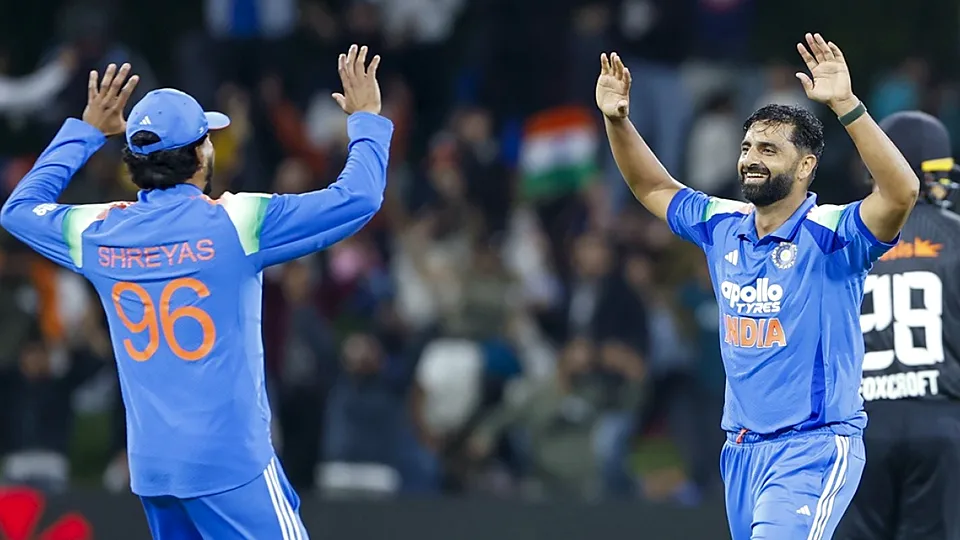
Iyer’s quote about "belief" is key. They didn’t have runs. They had belief. In T20, belief is a luxury you can’t afford if your execution is shaky. But today, the execution was tight. The lines were tight. The fielders were set. It wasn’t pretty cricket. It was surgical.
Pre-Toss Dilemmas: What We Got Wrong
Before the toss, the Playing XI was a puzzle. Do you start with the all-rounder or the specialist finisher? On this track, the all-rounder is useless in the death. He can’t hold his ground against the bouncers. But you can’t bench him. He’s your best defensive option in the middle. It’s a bind. A classic Indian cricket headache.
The winning team accepted that their batting order was a compromise. They didn’t try to fix the top order. They leaned into the middle order. And that’s where the consistency came from. Not from a star performance. From a collective effort. From a shared understanding that the batting was going to fail, and the bowling had to carry the weight.
This is the new meta in the IPL. Stop waiting for the hero. Start relying on the system. When Iyer says the batting didn’t click, he’s not making excuses. He’s stating a fact. And he’s crediting the bowlers for doing the work required to turn a deficit into a victory. That’s class. That’s leadership.
So, the next time you scroll past this match on cricket flicker live ipl, don’t look for the boundaries. Look for the dots. Look for the fields. Look for the discipline. That’s where the real story is. The scorecard says it all. The belief did the rest.
Related coverage
- Chandigarh Chill: India's 3-1 Win, Gambhir's Away ODI Breakthrough, And The IPL Echo
- Comfort Zone Killed Us: Morkel’s WTC Slap in Face as Cricket Flicker Live Ipl Debate Rages

Updated 2026-11-22 · Instant Rupee Deposits & 60s Withdrawals · 24/7 Support.
Access Official CricketFlicker Portal →Executive Sports Editor · Chandigarh Desk
Rajat Patel has covered Indian cricket and digital sports from Chandigarh for over a decade. At CricketFlicker (cricketflicker.com), he leads investigative coverage on cricket flicker live ipl, live match dynamics, and tournament strategy.
Reader Discussion & Match Reactions (5)4.8★ Community (5 Comments)
Verified Indian cricket reader perspectives & tactical debate on cricketflicker.com
Reading about that skiddy hard length surface reminds me how our Ranji state teams struggle with similar tracks in winter. If top-orders can't adapt to the bounce, grassroots bowlers suffer when selectors ignore domestic data.
The article mentions boundary-percentage against off-break in the middle overs was negligible. That's a massive red flag for data analysts. If the skiddy pitch is shortening the time on the bat, strike rates will plummet regardless of player skill.
Iyer admitting it was a tactical misread is rare honesty. But let's not bury the lead: the Impact Player rule is still being treated as a gimmick. If the board keeps approving predictable swaps that fail, we are wasting a structural advantage.
Interesting to see the left-hander swap fail due to the pitch. It highlights why state associations need better pitch reports for their domestic squads. A skiddy surface doesn't just hurt the top order; it exposes the lack of middle-order depth in most franchises.
@Anirudh_Guwahati The connection to Ranji conditions is sharp. The article explicitly states the ball was coming on fast and the left-hander choked it back. That specific failure on a skiddy hard length surface is exactly why state teams need more spin bowling depth.