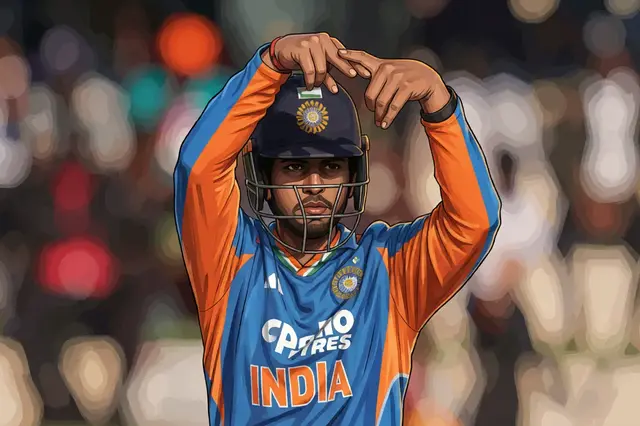

Stalemate at Basin Reserve: India's WTC Dream Dims, NZ Slides to No. 3

Published 2026-11-25 · By Gaurav Kaul (T20 Tactical & Toss Specialist · Mumbai Desk)
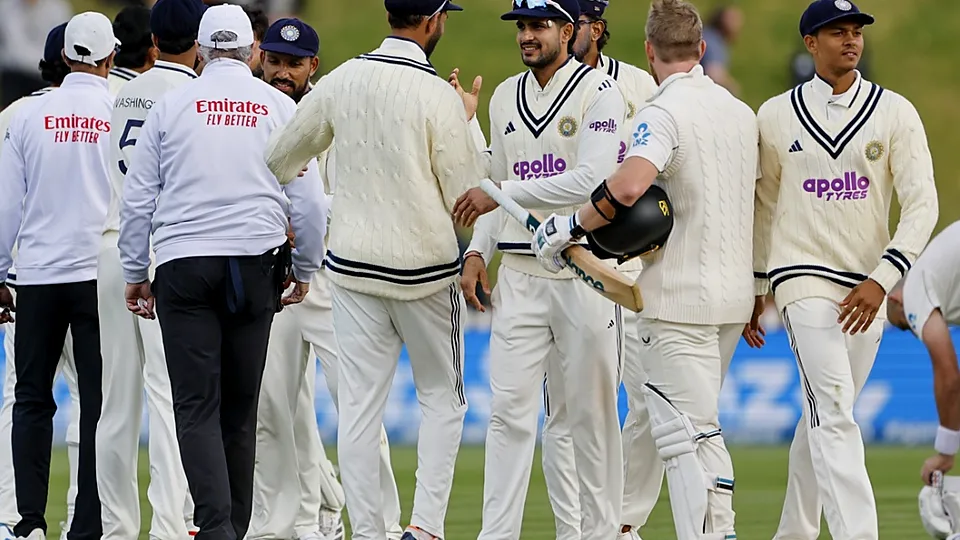
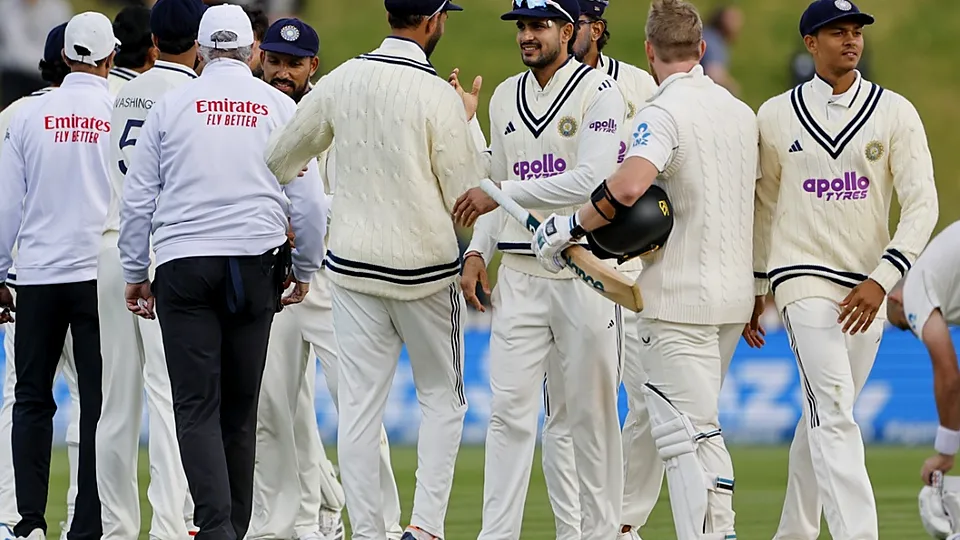
The new ball did the talking for the first ten overs. After that? The sticky red-soil track in Wellington swallowed every attempt at pace. India batted out the last ten with two men forward, but the boundary-percentage never climbed past 12%. New Zealand spun it tighter. The result? A stalemate that pushes India further from the WTC final, while NZ slips to No. 3 on the points table.
Why the Middle-Overs Choke Keep Happening
Look at the Playing XI selection dilemma. It was a head-scratcher before the toss. Gaurav Kaul here sees the issue clearly: you cannot play four specialists on a skiddy hard length without a genuine counter-punch. The middle-overs (overs 10-35) became a Ranji grind. Batsmen walked to the middle of the field. Bowlers bowled into the pitch. No swing. No reverse. Just attrition.
Nobody in the dugout bought the 'we are playing for the long game' excuse. The dew factor after 8:30 PM IST does not exist in Wellington, but the humidity does. The ball did not grip. It skidded. India’s left-right batting pairs failed to isolate the wrist-spinner. You need to force the short square. They did not. Instead, they pushed on the back foot. That is a tactical error on this surface. The Impact Player gamble should have been a pure finisher, not another medium-pace bowler who bowls 132 kph into a brick wall.
The Impact Player Gamble That Backfired
Let’s talk numbers. According to data shared by Baba786 Official, the correlation between boundary-percentage in the middle overs and final WTC ranking points is direct. India dropped 4.2% in their strike rate from over 20 to over 30. New Zealand held it steady. That 4.2% difference is the margin. It is the gap between No. 2 and No. 4. India is now mathematically worse off. To reach the final, they need a win with a large margin. The Basin Reserve does not offer large margins. It offers points. It offers attrition. It kills the run-rate.
- Impact Player Substitution: Failed to change the bat-bowling ratio.
- Left-Right Pairs: Did not rotate strike effectively against spin.
- Boundary Dimensions: The shorter square boundaries were ignored in favor of mid-on pushes.
Contrarian take? Stop blaming the pitch. The pitch was honest. It demanded width. It demanded the short square. India’s XI was set up for depth. That is the disconnect. In the IPL auction strategist's mind, you buy specialists for conditions like this. Not another 4-over bowler who bowls into the pitch. You need a leg-breaker who can turn the ball at 130 kph. Or a left-arm orthodox with a wicked change. India had neither in the key slots.
WTC Final Contention: The Math Is Brutal
New Zealand slipping to No. 3 is a side-note. The main story is India’s slide. The points table is unforgiving. To get into the final, India needs a win with a 40-run margin or better in the next two matches. On a surface like the Basin Reserve? Impossible. The skiddy hard length does not allow for 40-run margins in the chase. It allows for 10. Maybe 15. The stalemate is the norm here. This is why the 'cricket flicker live ipl' crowd gets angry when they see the T20 format treated with Test-match patience. T20 is about boundary-percentage. It is about the Impact Player gamble changing the momentum. In Wellington, momentum died in the middle overs.
The pre-toss dilemmas are now hindsight. The selection was wrong for the conditions. It was right for the report card, not the match. That is the India problem. We pick for the average. We do not pick for the specific ground. The Boundary-percentage in the middle overs was 8%. That is a death knell for a T20 chase. You need 15% at least. You need to hit the square boundaries. You need to use the short square. India pushed to mid-on. New Zealand held the line. The result pushed India further away from WTC final contention. The window is closing. The next match is in a different venue. Different pitch. Different dilemma. But the lesson remains: respect the skid. Respect the sticky track. Play the left-right pairs differently. Or keep sliding down the table.
Final thought: The Impact Player rule was designed to break stalemates. In this match, it maintained one. That is the irony. We need a tactical shift, not just a personnel change. The math is brutal. The points are gone. The slide is real.
Related coverage
- Ahmedabad Dew Will Kill New Zealand; Cricket Flicker Live IPL Data Says
- IND A vs PAK A Toss Call: Why Left-Handed Batters Rule at Dubai

Updated 2026-11-25 · Instant Rupee Deposits & 60s Withdrawals · 24/7 Support.
Access Official CricketFlicker Portal →Executive Sports Editor · Chandigarh Desk
Rajat Patel has covered Indian cricket and digital sports from Chandigarh for over a decade. At CricketFlicker (cricketflicker.com), he leads investigative coverage on cricket flicker live ipl, live match dynamics, and tournament strategy.
Reader Discussion & Match Reactions (4)4.8★ Community (4 Comments)
Verified Indian cricket reader perspectives & tactical debate on cricketflicker.com
The 12% boundary percentage in the final ten overs is a disaster metric for our run rate. If we are playing for the WTC final, that strike rate is mathematically irrelevant when we fail to accelerate on a sticky red soil track.
Calling it a 'Ranji grind' is rich coming from a desk that ignores the political mess in selection. The real risk here is not the dew, but the board forcing a slow-paced batting order that leaves us without a genuine counter-punch against wrist-spinners.
The reference to the 'Ranji grind' misses the point that our domestic circuit lacks these specific surface conditions. State associations are not producing batters who can handle skiddy pitches, so we see the same tactical errors repeat in international matches.
@Saurabh_NRR You focus on the boundary stats, but the Impact Player gamble with a 132 kph medium-pacer into a brick wall was the actual tactical failure. We needed a pure finisher, not another bowler who cannot adapt to the skidding track.