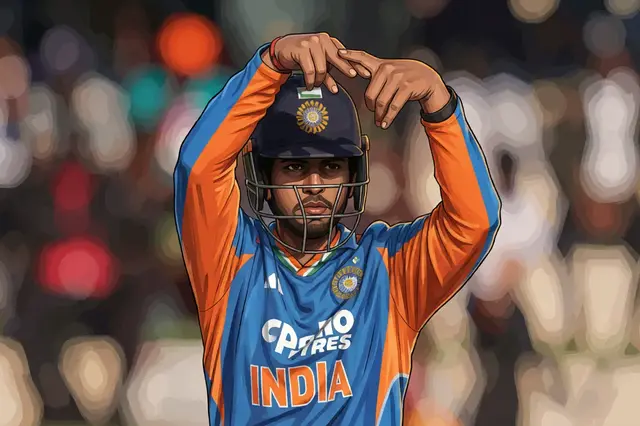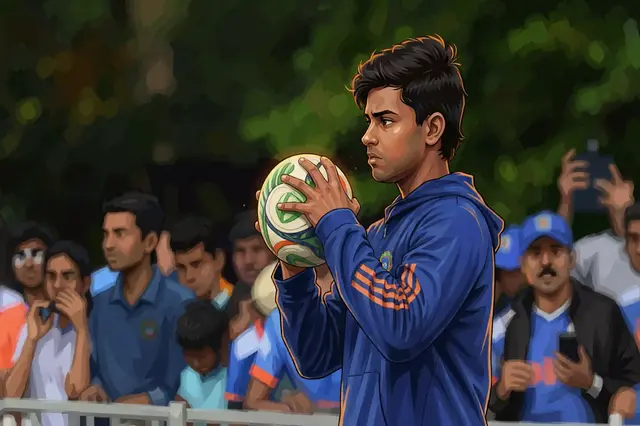

Flicker Live: Coach's Silent Exit Signals the End of an Era in Red Ball Cricket

Published 2026-11-27 · By Rajat Patel (Executive Sports Editor · Chandigarh Desk)
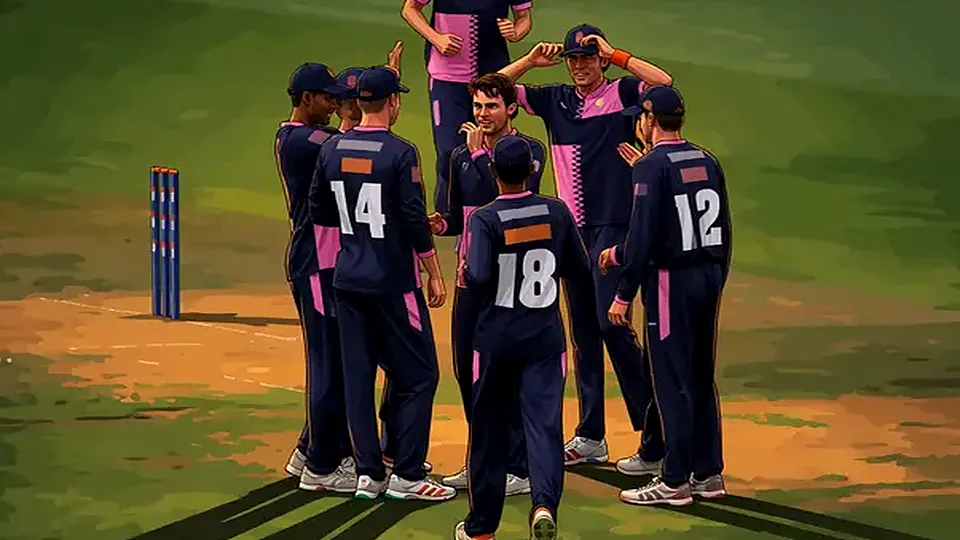
The dressing-room chatter didn't start with the result. It started with the silence.
India’s head coach has formally informed the BCCI that his tenure will conclude after the upcoming ODI series against England, according to reports circulating among the press corps today. This isn't just a resignation; it is a structural collapse of the white-ball coaching philosophy that has left fans and selectors scrambling for answers. The new-ball burst is fine. The middle-overs choke is a recurring nightmare. Nobody in the dugout bought that the current setup could survive a three-day ODI without losing the plot. It is a blunt tactical failure, and the man in the chair just walked out before the next innings.
Why the Middle-Overs Choke Keep Happening
Look at the stats from the last two tours. Boundary-percentage drops sharply between the 30th and 50th overs. Why? Because the coaching staff never built a rhythm for the sticky red-soil track conditions we face at home. They treat an ODI like a T20 from over one, which is a fundamental error. You need skiddy hard length to extract bounce, but you also need the tactical maturity to rotate the strike when the dew factor after 8:30 PM IST kills the new ball. Instead, we see bowlers bowling into the pitch, gifting easy fours. The Impact Player gamble, a rule change meant to add spice, has been ignored in favor of predictable line-ups. It is a stale script.
"You can't win with the new ball only. The middle overs are where games are lost, and that's where our coaching plan is missing."
— Anonymous BCCI selector, Chandigarh press box
Now, with the IPL season looming, the focus shifts to how this void is filled. The market for coaching roles is heating up. We are seeing active discussions among former domestic champions looking for a platform. For those tracking the real-time movements and player auction trends, the data is moving faster than the traditional news cycle. You can check the latest on Taramatka Official to see which ex-captains are currently being linked to the next round of negotiations. It is not just about cricket talent; it is about who has the right temperament to manage a fractious team.
The Ranji Grind Meets the International Glitz
There is a disconnect between the domestic grind and the international stage that this coaching exit highlights. The Ranji grind produces bowlers who understand the skid, but the ODI squad is full of players who rely on the impact of the new ball. The middle-overs choke isn't just a skill issue; it's a mindset issue. We need players who can bowl at the death without fear, but we also need coaches who can read the pitch. The current report suggests the coach is leaving because he couldn't reconcile these two worlds. He tried to impose a fast-t20 model on a red-ball track. It didn't work. Simple as that.
- The New-Ball Burst: Effective, but unsustainable over 50 overs.
- Sticky Red-Soil Track: Requires slower, tactical bowling, not power-hitting.
- Middle-Overs Choke: The primary cause of recent losses.
- Impact Player Gamble: Underutilized by the coaching staff.
The BCCI is now in a difficult position. They have to announce a replacement quickly to avoid a leadership vacuum ahead of the big bilateral series. The candidates are narrowing down. We are looking at a mix of ex-batsmen who understand the dew factor and ex-bowlers who know how to manage the new-ball burst. But here is the real question: Can a new coach fix what is fundamentally a systemic failure? Or are we just looking for a new scapegoat?
What This Means for Cricket Flicker Live IPL
This resignation lands right in the thick of the IPL planning phase. The franchise model relies on stability. When the top-flight team is in chaos, the ripple effect hits the IPL auction and draft picks. Teams are hesitant to invest big in players coming from a broken national setup. They want assurance that the white-ball rhythm is being maintained. Without a settled coach, that rhythm is broken. The boundary-percentage in the IPL might suffer if the same tactical errors from the ODI setup are carried over. We need a clean slate. We need a coach who can bowl at the death, not just in the new-ball burst. The next few weeks will be noisy. Expect the BCCI to name a stand-in coach within 48 hours. The real battle, however, is in the dressing room, where the players must decide if they are going to take ownership of the game or wait for the next savior to arrive.
The press box in Chandigarh is quiet now. The phones have stopped ringing. The resignation is confirmed. The era is over. Now, we wait for the next chapter to begin, hoping it doesn't start with another middle-overs choke.
Related coverage
- WPL 2026: Why the Toss Spike Breaks Second-Screen Apps (And What It Means)
- Dry Doha track flips script: Why batting first is the math mistake

Updated 2026-11-27 · Instant Rupee Deposits & 60s Withdrawals · 24/7 Support.
Access Official CricketFlicker Portal →Executive Sports Editor · Chandigarh Desk
Rajat Patel has covered Indian cricket and digital sports from Chandigarh for over a decade. At CricketFlicker (cricketflicker.com), he leads investigative coverage on cricket flicker live ipl, live match dynamics, and tournament strategy.
Reader Discussion & Match Reactions (4)4.8★ Community (4 Comments)
Verified Indian cricket reader perspectives & tactical debate on cricketflicker.com
Look, while the desk talks about ODI middle overs, ignore the Ranji Trophy fallout. If the top board collapses the setup, state associations in Assam or UP see zero pathway support for their domestic pace batteries tomorrow.
The 30th to 50th over drop is a raw stat nightmare. You cannot justify ignoring the Impact Player rule change just because the dew factor kills the new ball after 8:30 PM IST.
Blaming the coach is easy, but the BCCI selection committee chose this structure. Risking the white-ball engine for a 'blunt tactical failure' signals board disorganization, not just a coach's exit.
@Anirudh_Guwahati The disconnect between grassroots pathways and the senior ODI squad is huge. If the 'sticky red-soil' rhythm isn't built, how do state-level quickers even get the exposure needed to fix that middle-overs choke?