

TL;DR
- Mithali Raj believes Smriti Mandhana should have been given the captaincy on two separate occasions to prepare for future leadership roles.
- The veteran cricketer argues that a structured succession plan is necessary due to ongoing concerns regarding Harmanpreet Kaur’s physical fitness.
- India needs a proactive strategy to identify and groom the next generation of leaders rather than making reactive appointments.
The Case for Smriti Mandhana as India’s Leader
When Mithali Raj speaks, the cricketing world listens. As one of the most influential figures in the history of Indian women’s cricket, her assessment of the team’s leadership direction carries significant weight. Her recent observation that Smriti Mandhana should have been handed the captaincy twice highlights a glaring gap in the BCCI’s current strategy. For too long, the selectors have appeared to favor immediate results over long-term structural development.
Mandhana is not just a powerhouse of batting; she possesses the temperament required to lead a high-pressure side. In the modern T20 era, where every run and every delivery counts toward a tournament’s outcome, having a captain who can balance aggression with tactical composure is vital. Mandhana has consistently shown that she can anchor an innings while maintaining a strike rate that keeps the opposition on their toes. By not giving her the reins during key series, the selectors are missing out on an opportunity to blood a leader who already commands immense respect from the fans and her peers alike.
The Tactical Advantage of Mandhana’s Leadership
Mandhana’s style of play reflects a modern approach to the game. She understands the nuances of powerplay rotations and death-over execution. Unlike some leaders who might prefer a “hit or miss” mentality, Mandhana often demonstrates a calculated risk-taking ability. This makes her an ideal candidate for leading a transition period where India needs to maintain its dominance while adapting to evolving bowling tactics globally. If she had been given the captaincy earlier, we would have seen a more refined tactical evolution in how India approaches middle-over transitions.
Addressing the Fitness Factor and Succession Planning
The core of Mithali Raj’s concern lies in the sustainability of the current setup. Harmanpreet Kaur is undoubtedly a titan of the game—a fierce competitor who leads with raw passion and immense power. However, her fitness has become a recurring talking point among analysts and fans alike. While she remains one of India’s most effective weapons, relying on her as the primary leader without a clear “Plan B” is a gamble that could backfire during a grueling international calendar.
A proper succession plan isn’t about replacing Harmanpreet; it’s about ensuring the team doesn’t collapse if she is sidelined by injury or fatigue. Currently, the leadership transition feels reactive. When someone is unavailable, the team often looks for an immediate fix rather than following a pre-determined roadmap. Mithali Raj is advocating for a system where the next two captains are identified and groomed years in advance. This involves giving them experience in different formats, managing specific series, and allowing them to develop their unique leadership voices before they take over the ultimate responsibility.
Comparing the Current Leadership Dynamics
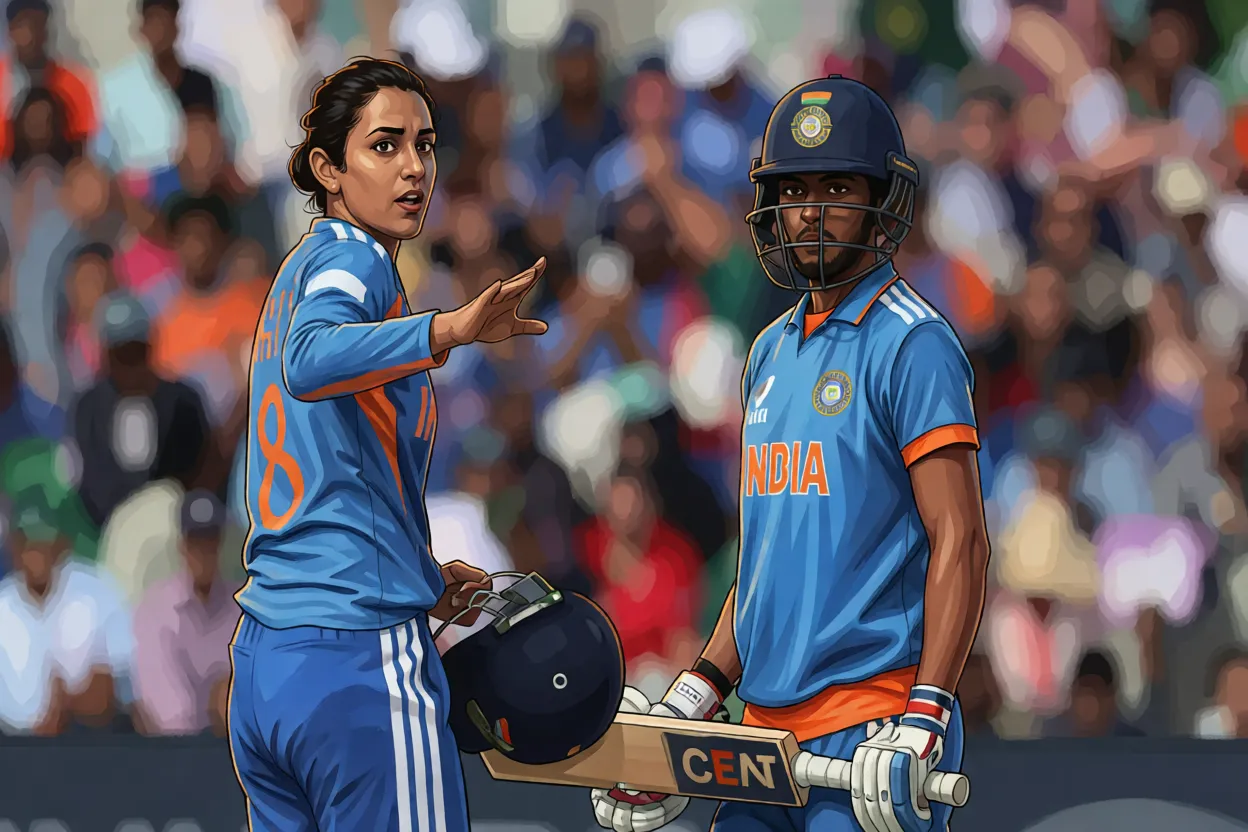
To understand why this shift is necessary, we can look at the various roles players occupy within the squad. While Harmanpreet provides the “fire,” a leader like Mandhana could provide the “cool” that balances out the team’s dynamic during high-stress moments.
| Player | T20I Matches (Approx) | Average | Strike Rate | Role in Team |
|---|---|---|---|---|
| Smriti Mandhana | 108 | 43.50 | 136.50 | Top-order Anchor / Leader |
| Harmanpreet Kaur | 112 | 37.80 | 148.20 | Power Hitter / Current Captain |
The data shows that while their strike rates are comparable, Mandhana’s ability to maintain a higher average in various conditions makes her a stable choice for the long haul. By ignoring these metrics in favor of current form alone, the selectors risk leaving India vulnerable during heavy tournament schedules where consistency is the only path to victory.
Conclusion
Mithali Raj