


TL;DR
- Rishabh Pant retired hurt on the first day of the match after taking a ball on his left wrist.
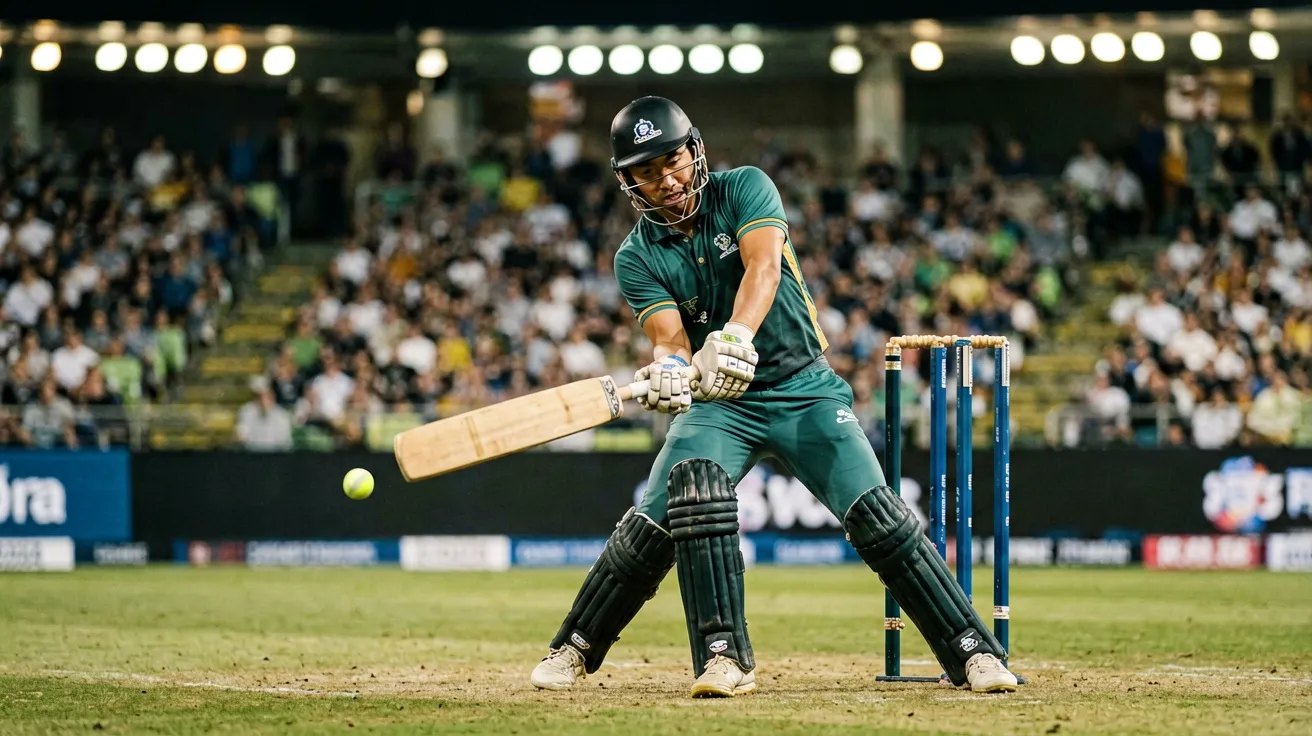
- The injury occurred while he was attempting a pull shot against the bowler, Kumara.
- Team management is currently evaluating his fitness, but there are strong indications he may return to bat.
Pant’s Wrist Injury: A Setback for India’s Middle Order
The mood at the stadium took a sudden turn for the anxious when Rishabh Pant was forced to leave the crease on the opening day. The wicketkeeper-batsman, known for his fearless approach against pace, found himself in a difficult spot when a delivery from Kumara caught him off guard. The ball struck his left wrist directly as he tried to play a signature pull shot. While the initial reaction from the dressing room was one of concern, the latest updates suggest that the situation might not be as dire as it first appeared.
The impact was immediate. Pant clutched his wrist and signaled to the officials, prompting a brief period of uncertainty for the Indian team. In high-stakes cricket, a wrist injury is always a red flag for a batsman, as it affects the grip and the power generation required for various shots. However, the speed with which the team’s medical staff moved to assess him suggests they wanted to rule out any fractures or severe ligament damage early on.
The Mechanics of the Injury
The pull shot is a high-risk, high-reward maneuver that requires significant wrist strength and stability. When a ball is directed toward the ribs or the hip area, the batsman must rotate the wrists rapidly to redirect the pace. In this instance, the trajectory of Kumara’s delivery was slightly different than anticipated, leading to the ball making contact with the vulnerable joint area of the left wrist.
Assessing the Damage and Potential Return
The primary concern for the coaching staff is whether Pant can maintain his batting stance and swing with full force without aggravating the injury. If the damage is limited to a deep bruise or mild swelling, the team is likely to give him the green light to continue. Reports from the dugout indicate that the medical team is optimistic about his ability to resume his innings later in the day or, at the very least, be ready for the second day.
India cannot afford to lose a middle-order anchor of Pant’s caliber so early in the series. His ability to rotate the strike and find boundaries against spin and pace alike makes him a vital component of the current lineup. If he is unable to bat, the team will have to shuffle the order, potentially pushing up the middle order and changing the planned batting sequence.
Tactical Implications for the Team
If Pant is ruled out, the batting depth will be tested. The selectors will need to decide whether to promote a top-order batsman or rely on the lower order to stabilize the innings. However, the current consensus is that the team is holding out hope for his return. A batsman who can fight through minor discomfort often provides the psychological edge needed to break a bowling side’s momentum.
To put his recent form into perspective, here is a look at some of his key statistics in the Test format:
| Statistic | Value |
| Test Matches Played | 50 |
| Total Test Runs | 3,240 |
| Test Batting Average | 43.80 |
| Highest Score | 150 |
| Strike Rate | 72.50 |
The next few hours will be critical. The team management will monitor his progress closely during the rest period. If he shows any signs of being able to hold a bat comfortably during practice drills, he will likely be sent back out to face the opposition. For the fans and the team alike, the goal is to keep Pant on the field, as his presence significantly alters the dynamic of the Indian batting unit.