

TL;DR
- Rohit Sharma faces a potential exit from international cricket as reports suggest he is not included in India’s long-term plans for the 2027 World Cup.
- At 39 years old, the seasoned opener is being phased out to make room for younger talents like Shubman Gill and Yashasvi Jaiswal.
- This move signals a major shift in the BCCI’s selection philosophy toward building a team that can sustain dominance for the next decade.
The Sunset of a Supernova: Rohit Sharma’s Final Chapter?
The news has sent shockwaves through the Indian cricket fraternity. For over a decade, Rohit Sharma has been the heartbeat of India’s batting lineup, a player who combined raw power with a sophisticated understanding of game geometry. However, the reports coming out of the selection camp are sobering: at 39 years old, the “Hitman” is reportedly being told that he is not part of the roadmap for the 2027 Cricket World Cup. This isn’t just a minor tweak to the squad; it is a clear indication that the transition from the current era to the next is happening faster than many fans anticipated.
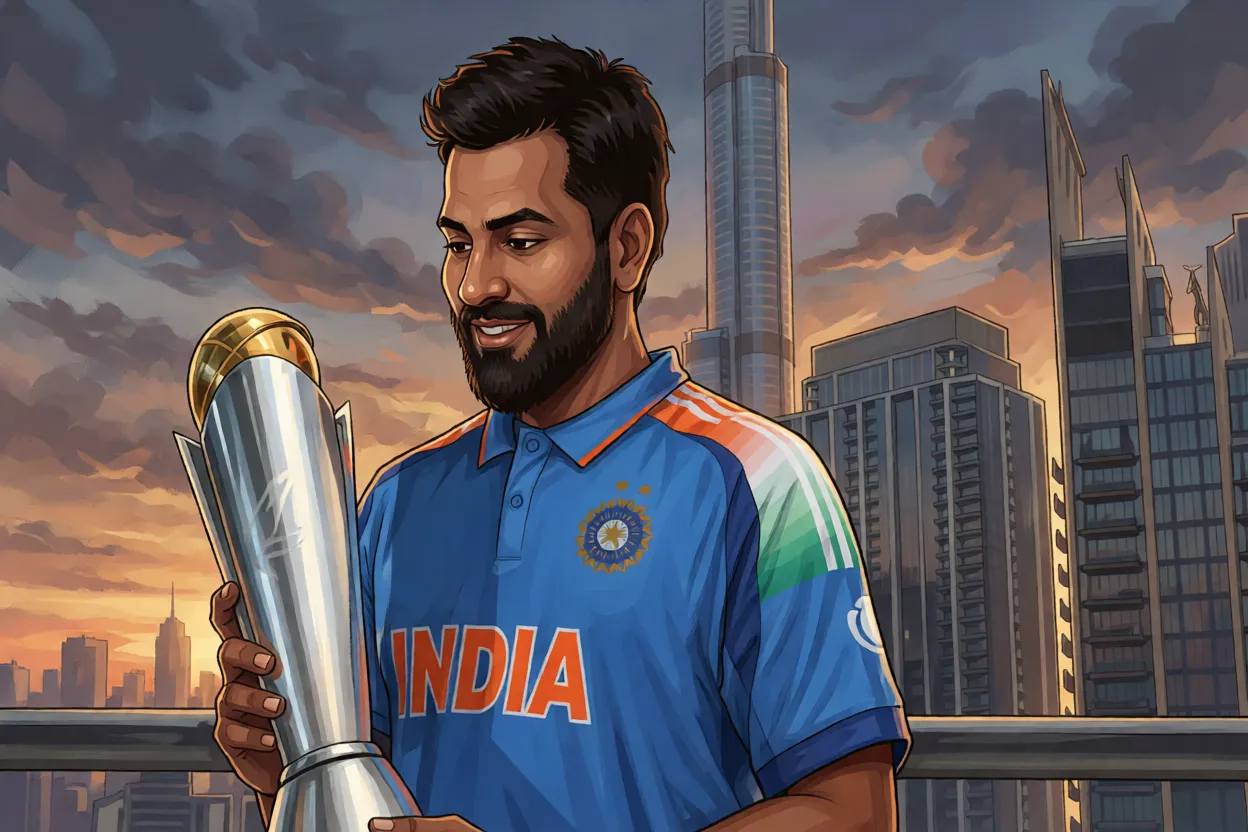
While Rohit remains one of the most effective white-ball batters in history, the reality of age cannot be ignored. The selectors are looking at a three-year cycle leading up to 2027 and want a core that can maintain peak physical intensity. For Rohit, who has carried the weight of expectations on his shoulders since 2013, this decision feels like a cold but necessary evolution. We saw him lead India to a T20 World Cup title in 2024, a crowning achievement that arguably should have secured his spot for years to come. Yet, in the eyes of the committee, the goalpost has shifted toward longevity and “future-proofing” the national side.
To understand why this is such a massive shift, we have to look at the sheer volume of runs Rohit has accumulated. He isn’t just a veteran; he is a statistical giant who has redefined how an opener should approach the first 10 overs of a limited-overs match.
| Statistic Category | Rohit Sharma (ODI Career) | Significance |
|---|---|---|
| Matches Played | 263 | One of the most experienced anchors in history |
| Total Runs | 10,866+ | Highest run-getter for India in ODIs |
| Batting Average | 47.81 | Exceptional consistency over a long period |
| Strike Rate | ~93.50 | High intent for a traditional anchor role |
| ODI Centuries | 31 | One of the highest totals for an Indian batter |
The Rise of the Successors: Gill and Jaiswal
The primary reason behind this decision lies in the emergence of Shubman Gill and Yashasvi Jaiswal. For years, the BCCI has been grooming these two as the future faces of Indian cricket. Gill possesses the technical elegance that mirrors some of Rohit’s best qualities, while Jaiswal brings a fearless, aggressive brand of batting that is perfectly suited for modern white-ball cricket.
The selectors want to see how these young guns handle the pressure of being the primary anchors before they fully commit to them as permanent fixtures in every tournament. By moving Rohit toward a mentorship role or allowing him to retire on his own terms, the board creates space for Gill and Jaiswal to take the lead in high-pressure scenarios. It is a strategy of gradual substitution rather than a sudden vacuum.
Legacy vs. Longevity: Choosing the Right Time to Walk Away
There is an emotional weight to this news that numbers alone cannot capture. Rohit Sharma has been more than just a batter; he has been a cultural icon for Indian cricket fans. His ability to pull deliveries over extra cover and his calm demeanor under fire have made him a hero across generations. However, as a journalist who has watched the game evolve, I believe the board is making the right call. You cannot hold onto a fading light forever without hindering the growth of the next generation.
The 2027 World Cup will be a different beast entirely. It requires a squad that can endure long tours and maintain high-speed rotations. While Rohit might still have the skill to score, his ability to recover from physical setbacks is becoming more difficult at nearly 40. If he chooses to stay for one more cycle, it should be on his own terms—perhaps as a specialist player who only features in major knockout stages, rather than a permanent fixture of every series.
The transition period will likely be messy. We might see a “dual-captaincy” feel where Rohit provides the counsel while younger leaders take the reins on the field. But ultimately, the move toward 2027 is about ensuring that Indian cricket doesn’t stagnate. The Hitman has given enough; now it is time to let the next generation find their own rhythm in his shadow.
The era of Rohit Sharma may be reaching its natural conclusion, but his impact on the game remains indelible. Fans will likely watch his final few appearances with a sense of profound nostalgia, knowing that while he might not be there in 2027, he built the foundation upon which the future of Indian cricket stands.