


TL;DR
- Six key players, including Little and Hollard, have been ruled out of the upcoming fixture due to various injuries.
- The squad faces a significant depth challenge as several specialist roles remain vacant.
- Team management is currently scouting the reserve pool to find suitable replacements for the missing bowling options.
Injury Crisis Hits Squad Depth Ahead of Key Fixture
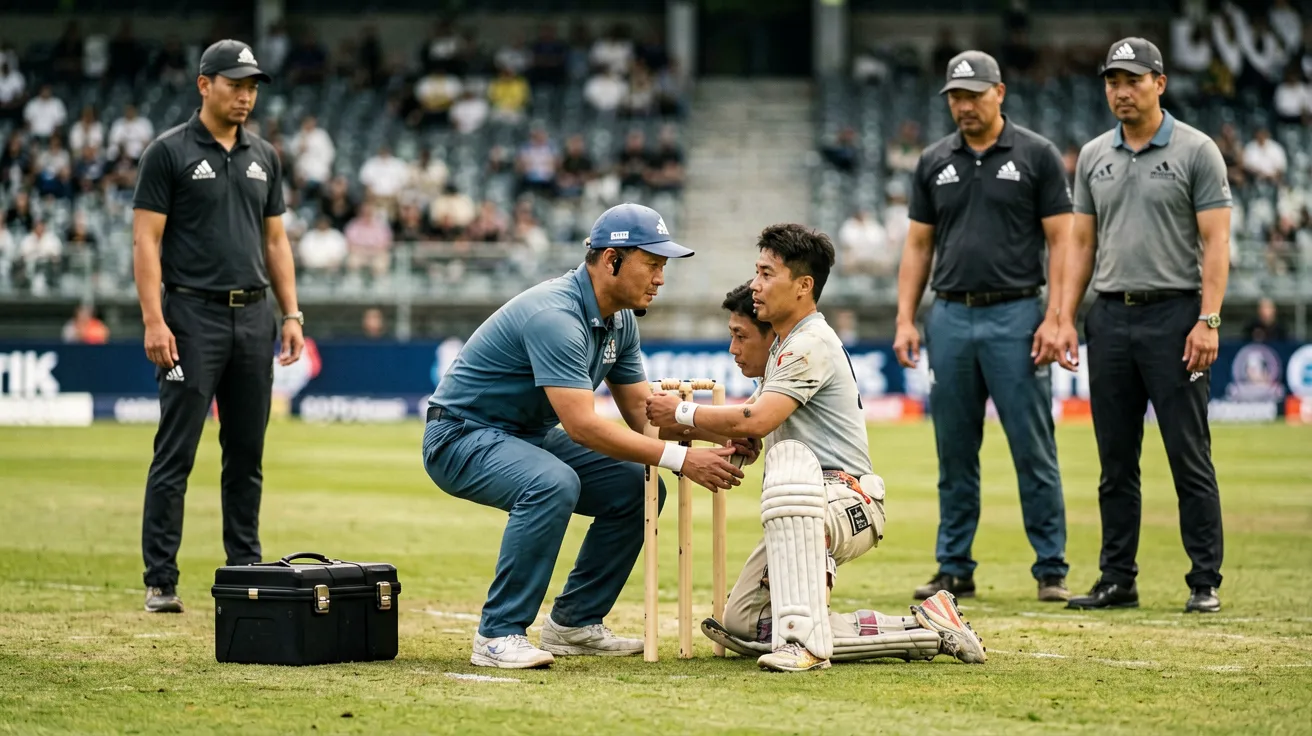
The selection committee faces a daunting task this week as news broke that six key members of the squad are unavailable for the next match. The list of absentees includes Little, Hollard, Young, McCarthy, Neill, and David Delany. This sudden wave of injuries creates a logistical headache for the coaching staff, who must now balance the team sheet without several established names. While some players were already managing minor niggles, the fact that so many are sidelined at once puts the team in a difficult position regarding chemistry and tactical flexibility.
The loss of Little and Hollard from the batting lineup is particularly concerning. Both have been consistent performers who provide stability during the middle overs. Without them, the top order will need to show more aggression to compensate for the lack of seasoned experience in those specific slots. The team risks becoming more predictable if they cannot find players who can replicate the strike rotation these two usually provide.
Impact on Bowling Rotation and Strike Rates
The bowling department takes a heavy hit with McCarthy and Neill out of the picture. These are not just names; they represent specific roles that are hard to fill on short notice. McCarthy has been a primary source of swing early in the innings, while Neill provides crucial variety in the middle phase. Losing both means the captain will have fewer options when the pitch starts to flatten out or offer less assistance for seamers.
The remaining bowlers will have to bowl longer spells with higher intensity. This increased workload could lead to fatigue issues later in the tournament if the replacements do not provide enough support. The ground staff and coaches are now looking at who can step into these roles without compromising the overall pace of the attack.
Tactical Adjustments and Reserve Pool Scouting
With David Delany also unavailable, the team loses a valuable all-round option. Delany often provides that bridge between bat and ball, allowing for more freedom in how the captain sets the fields. In his absence, the team might have to choose between playing an extra specialist bowler or a dedicated batsman who lacks those secondary skills. This choice will dictate whether the team goes for a “safe” approach or tries to maintain a balanced attack.
To give you an idea of the caliber of players the team is missing, here are some recent season statistics for the affected group:
| Player | Role | Recent Average/Strike Rate | Key Strength |
| Little | Top Order Bat | 34.50 | Anchor Play |
| Hollard | Middle Order | 28.15 | Strike Rotation |
| Young | Fast Bowler | 124 kph (Avg) | Late Swing |
| McCarthy | Seam Bowler | 2.10 Economy | Early Movement |
| Neill | All-rounder | 31.00 Bat / 1.85 Econ | Versatility |
| David Delany | All-rounder | 22.40 Bat / 2.05 Econ | Fielding & Spin |
The coaching staff is currently in talks with several fringe players who have been performing well in the lower divisions. The goal is to find “plug and play” cricketers who can step into the lineup and contribute immediately. However, there is always a risk when moving from established stars to reserve talent. The pressure on the remaining core of the team will be immense, as they must carry the load while the new faces find their feet in high-pressure situations.
The upcoming match will serve as a litmus test for the squad’s depth. If the replacements can hold their own and maintain the required standards, it will be a victory for the scouting system. If the team struggles to contain the opposition, it will highlight the need for a deeper talent pool capable of handling these types of sudden vacancies.