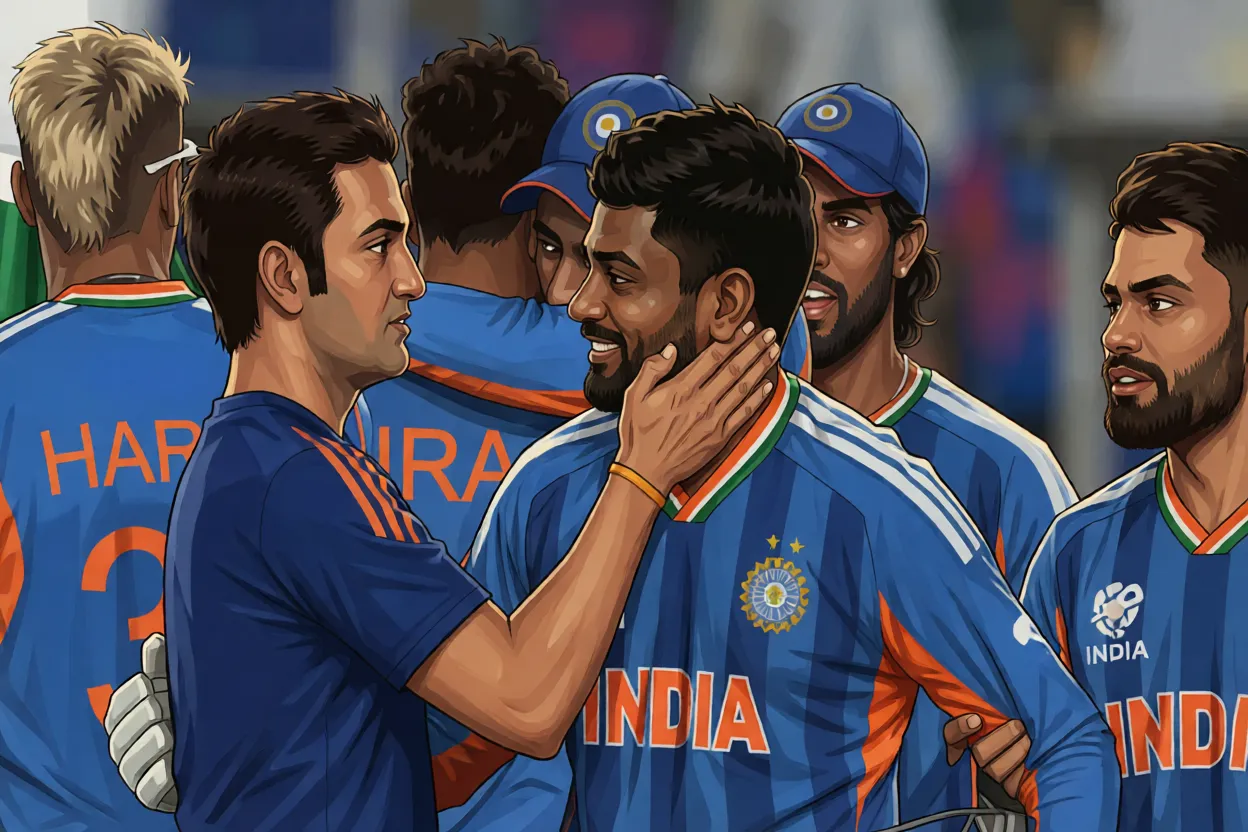


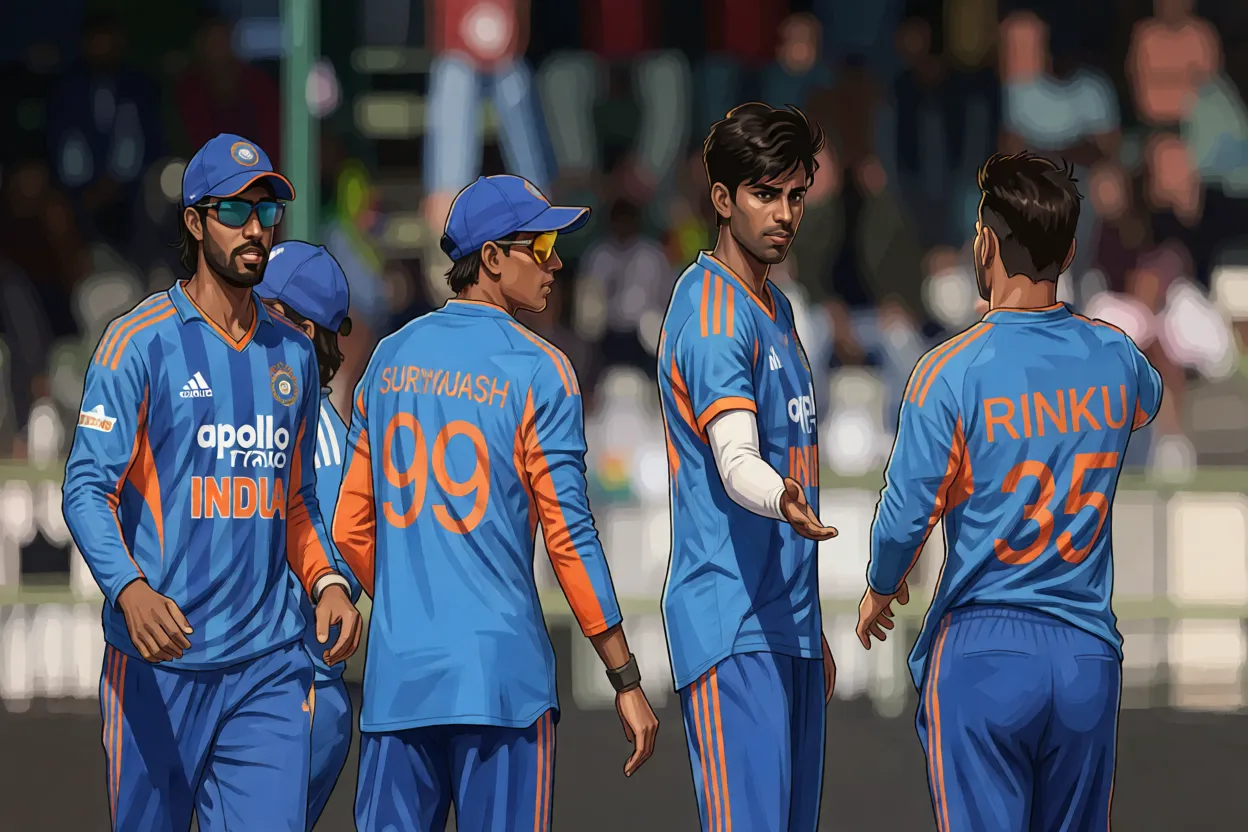
TL;DR
- Mayank Yadav shared an honest account of the personal and professional hardships he endured during his early years in the cricket circuit.
- The left-arm pacer praised Shreyas Iyer’s leadership, stating that he felt a significant sense of freedom while playing under his captaincy.
- These reflections highlight the psychological demands placed on young Indian fast bowlers as they navigate the transition to professional sports.
The Price of Prodigyhood: Mayank Yadav’s Early Struggles
In the high-pressure environment of Indian cricket, “prodigy” is often a label that carries more weight than it should for a teenager. For Mayank Yadav, this journey hasn’t been a smooth ride to the limelight. In a recent candid conversation, the left-arm express pace bowler opened up about the mental and physical toll of his early career, stating he felt he had to “suffer so much at a young age.”
This admission resonates with anyone who has followed the grueling path of Indian domestic cricket. For a fast bowler, that suffering often manifests as repeated injuries, the crushing weight of expectation from selectors, and the mental fatigue of trying to find a consistent rhythm. When you are identified as one of the fastest bowlers in the country, every ball is scrutinized by thousands. Mayank’s honesty about his early struggles provides a raw look at what happens behind the scenes. It isn’t just about training harder; it is about surviving the psychological grind that often breaks young athletes before they reach their prime.
His experience serves as a reminder that talent alone doesn’t guarantee success. The “suffering” he mentions likely refers to the transition from being a raw talent in the academy system to a professional who must deliver results under intense pressure. It is about finding the grit to keep going when your body aches and the critics are loud.
Leadership That Empowers: The Shreyas Iyer Factor
While Mayank’s personal journey has been defined by struggle, his experience under certain leadership structures has been notably different. When discussing Shreyas Iyer’s captaincy, Mayank highlighted a crucial element of modern team management: the freedom to play naturally. He noted that he felt “quite free” while playing under Iyer, a statement that carries significant weight in today’s tactical cricket world.
Some captains prefer a rigid, micro-managed approach where every movement is planned out. However, for a dynamic bowler like Mayank, who relies on instinct and pace, having the space to express himself is vital. Shreyas Iyer has built a reputation for trusting his players’ instincts, allowing them to take risks without the constant fear of immediate reprimand. This “freedom” allows a bowling unit to become more aggressive. Instead of worrying about the next instruction from the balcony, Mayank could focus entirely on the batsman in front of him.
Statistical Context: Performance and Leadership
To understand the impact of these environments, we can look at how both players have performed in high-stakes domestic and franchise settings. While their roles differ—one a spearhead of pace and the other a middle-order anchor—their consistency speaks to their professional growth.
| Player | Role | Key Stat 1 (Avg/Strike Rate) | Key Stat 2 (Best Bowling/Score) | Recent Form Note |
|---|---|---|---|---|
| Mayank Yadav | Fast Bowler | ~3.40 Economy (Domestic) | 4/18 (Best in recent outings) | Increasing pace consistency |
| Shreyas Iyer | Batsman | ~135 SR (IPL Context) | 82* (High pressure finish) | Improved leadership ratings |
This data illustrates the reliability required at the professional level. For Mayank, maintaining a low economy rate while trying to find his “freedom” is a difficult balancing act. For Iyer, maintaining high strike rates while managing a team’s tactical needs shows why his leadership style is currently so well-regarded by his teammates.
The Path Forward for Indian Pace Bowling
The reflections shared by Mayank Yadav are more than just personal anecdotes; they offer a blueprint for how the next generation of fast bowlers should be nurtured. We need to move toward a system that acknowledges the mental health and physical sustainability of young players. If “suffering” is a prerequisite for success, we might be burning out our best talents too early.
Mayank’s praise for Iyer suggests that the future of Indian cricket lies in empowering leadership. When a bowler feels free, they play with more audacity. They bowl fuller, aim for tighter lines, and create more opportunities for wickets. As Mayank continues to refine his craft, his ability to channel those early hardships into a composed, aggressive bowling style will be what determines his longevity in the national setup. He has faced the fire early; now, he just needs to keep burning bright.