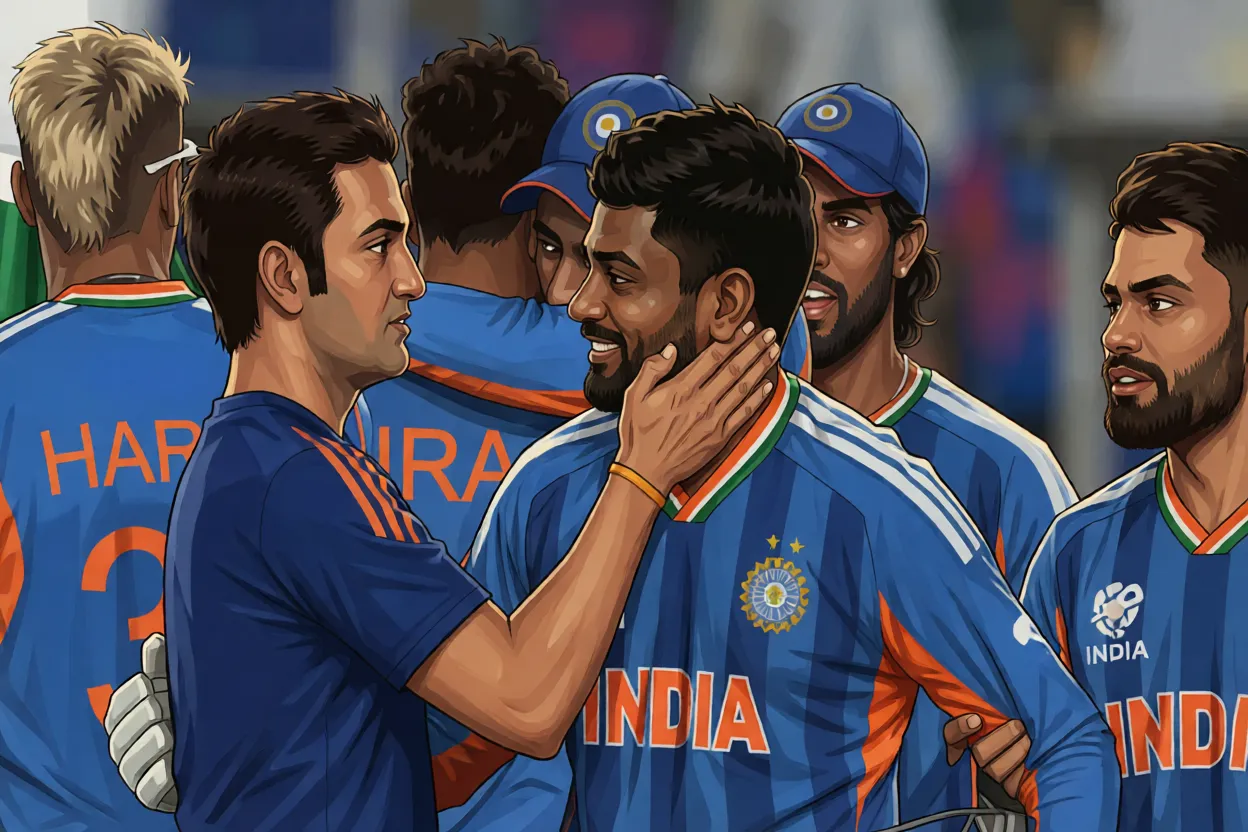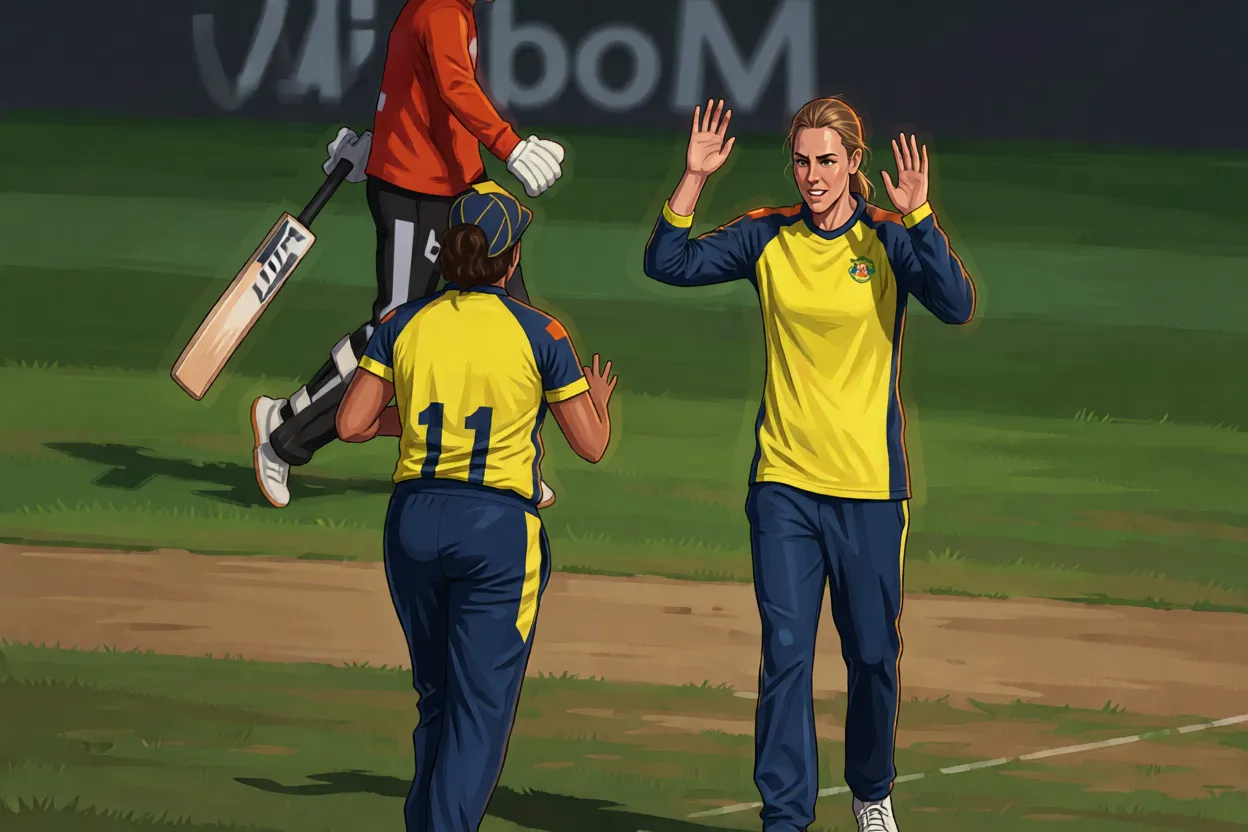



TL;DR
- Welsh Fire suffered a devastating late-game collapse, losing five wickets for only six runs in the final 13 balls of the match.
- Southern Brave snatched victory from the jaws of defeat thanks to Sophie Molineux’s gritty and composed captaincy at the crease.
- The result highlights the extreme volatility of modern T20 cricket where momentum can shift entirely in a matter of seconds.
Chaos in the Final Overs: How Welsh Fire Lost Their Grip
The atmosphere at the ground shifted from one of celebration to stunned silence in what felt like a heartbeat. Welsh Fire had been cruising toward a comfortable victory, looking every bit the dominant side, but cricket has a way of humbling even the most confident outfits. One moment, they were dictating the terms of the game; the next, they were spiraling into a chaotic freefall that left spectators gasping for air.
The final 13 balls represented a complete disintegration of their batting order. Losing five wickets for just six runs is a statistic that should haunt any coaching staff. It wasn’t just about a few unlucky edges or mistimed swings; it was a systemic breakdown under pressure. When the scoring rate drops off as sharply as it did here, the psychological weight on the remaining batters becomes almost unbearable. Every dot ball feels like an eternity, and every missed opportunity to rotate the strike creates a vacuum of confidence that the opposition is more than happy to exploit.
Southern Brave’s bowling unit executed a textbook “squeeze” strategy during these frantic final moments. They didn’t need to hunt for wickets with risky variations; they simply made it impossible for Welsh Fire to find any rhythm. By maintaining consistent lengths and forcing the batters into high-risk, low-reward shots, the Brave turned a manageable chase into a nightmare of dot balls.
The Psychology of the Tail-End Collapse
In T20 cricket, the “squeaky bum time” at the end of an innings is where champions are made or broken. When a team loses multiple wickets in rapid succession, the remaining players often suffer from a “panic reflex.” They tend to over-compensate for lost momentum by trying to hit every ball into the stands, which usually leads to even more wickets falling. Welsh Fire fell victim to this