

TL;DR
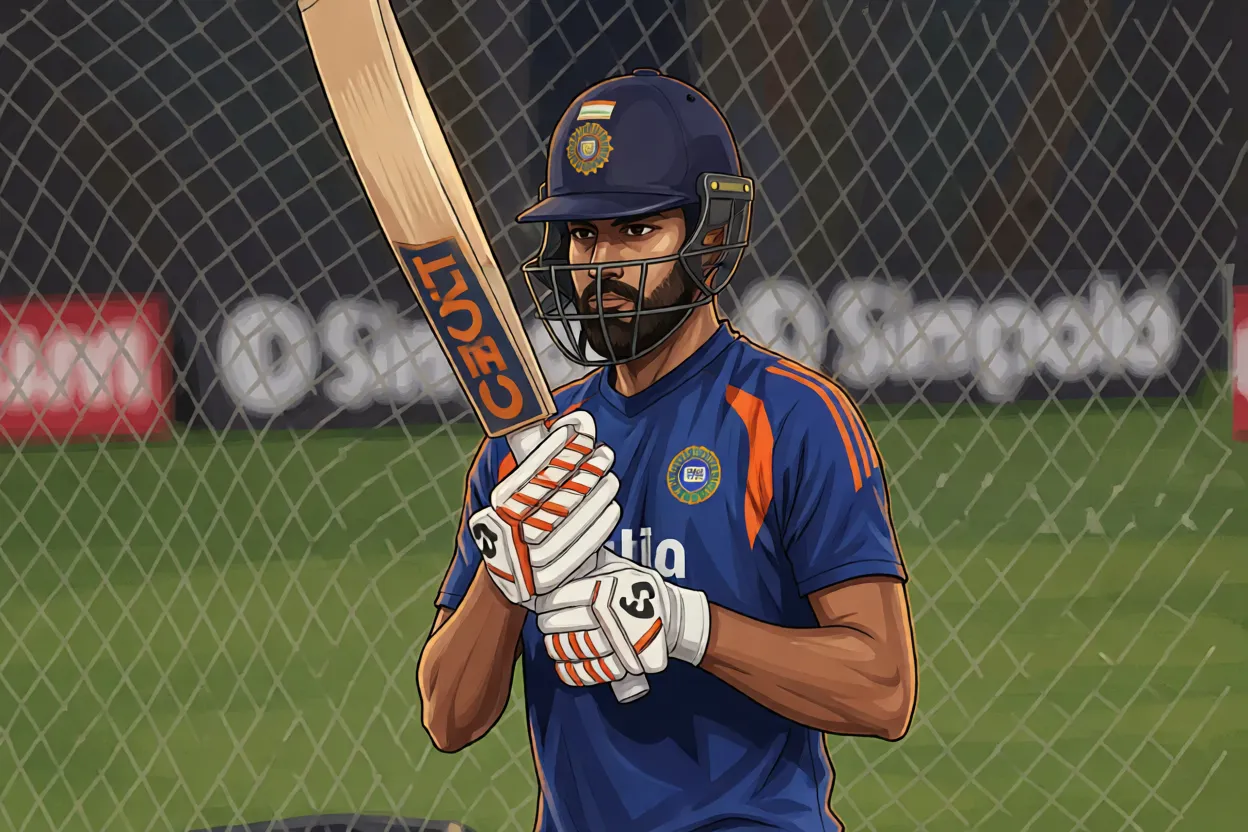
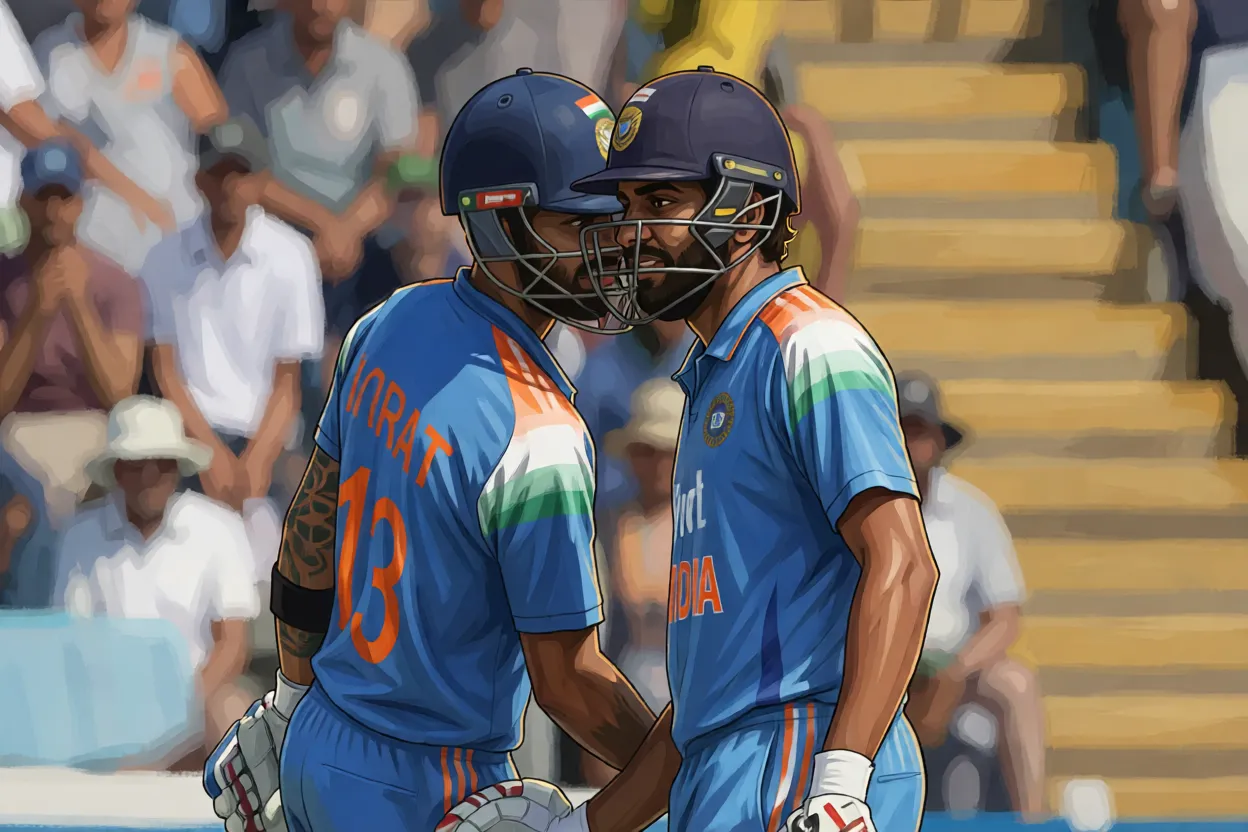
- Rohit Sharma faces an immense leadership test at Lord’s as India fights to prevent England from securing their first bilateral ODI series win since 2018.
- After England’s gritty victory in Cardiff, the series stands at a tense 1-1 deadlock with only one match left to decide the ultimate winner.
- This encounter highlights Rohit’s ability to manage high-pressure scenarios while trying to break the psychological hold India has maintained over English white-ball cricket for years.
The Weight of History on Lord’s Turf
The atmosphere at the home of cricket feels different when a series hangs in the balance. As the sun sets over Lord’s, the focus shifts entirely onto Rohit Sharma. This isn’t just about another win; it is about maintaining a legacy of dominance. England has spent years knocking on India’s door, but they haven’t managed to kick the door down in a bilateral ODI series since 2018. For Rohit, this match represents the difference between being a successful captain and becoming a legendary one who could navigate the most grueling pressure cooker in sports.
The narrative is clear: England is desperate for a breakthrough. They showed flashes of brilliance in Cardiff, proving they can compete with India’s powerhouse lineup under modern conditions. However, losing that match doesn’t mean they have mastered the art of winning a series. History is a fickle thing, and the ghosts of previous series where India pulled ahead in the final stages will be looming large over the English dugout today.
Breaking the England Drought
To understand the stakes, we have to look at how long it has been since England tasted real success against the Men in Blue in this format. Since 2018, India has consistently found a way to neutralize England’s aggressive “fearless” approach. Whether it was through superior spin depth or the raw pace of Jasprit Bumrah, India has held the upper hand. For England, winning today would be a massive psychological shift. It would prove that their tactical evolution can finally overcome the Indian blueprint.
Rohit Sharma’s Tactical Masterclass
While many fans look at the batting order first, those who understand the game know that Rohit’s success as a captain lies in his temperament. He doesn’t overreact to swings in momentum. In Cardiff, England managed to seize control for long periods, but they failed to close out the series because India stayed composed. At Lord’s, the conditions might offer more help to the bowlers early on. Rohit will need to decide whether to let the pace bowlers exploit the swing or if he needs to bring in his spinners earlier to dry up the scoring.
His role as an opener also adds a layer of complexity. If he fails at the top, the pressure shifts immediately to the middle order. But if he anchors the innings while maintaining a strike rate that keeps the scoreboard moving, he effectively neutralizes England’s ability to build pressure. He is playing a chess game where every field placement and every bowling change counts toward the final result.
| Series Context | Result/Status | Key Fact |
|---|---|---|
| 2018-19 Bilateral ODI | India Win | First major series win since England’s drought began |
| Cardiff Match | England Win | England secured first victory of the current tour |
| Current Series Standing | Tied 1-1 | One match remaining for ultimate winner |
| Historical Trend | No England Win | England hasn’t won a bilateral ODI series vs India since 2018 |
The Context of Cardiff’s Defeat
The loss in Cardiff was a wake-up call for the Indian camp. It exposed some vulnerabilities in the middle order when the required run rate climbed above nine an over. However, it also provided a blueprint for what England is capable of. They are no longer intimidated by India’s “A-team.” Rohit knows that he cannot rely on his players simply being better than their opponents; they have to be smarter. The strategy at Lord’s will likely involve more aggressive field placements and perhaps a more proactive approach from the spin department to prevent England from finding those boundaries that hurt them in Cardiff.
The pressure is immense, but Rohit has shown he can handle it. He has navigated tricky series in Australia and the West Indies with a level of calm that is rare in modern cricket. Today, at Lord’s, he isn’t just leading a team; he is defending a fortress of Indian cricket dominance. If India holds their ground, it reinforces their status as the kings of the ODI format. If England pulls it off, it marks the beginning of a new era for white-ball cricket in the subcontinent and beyond.