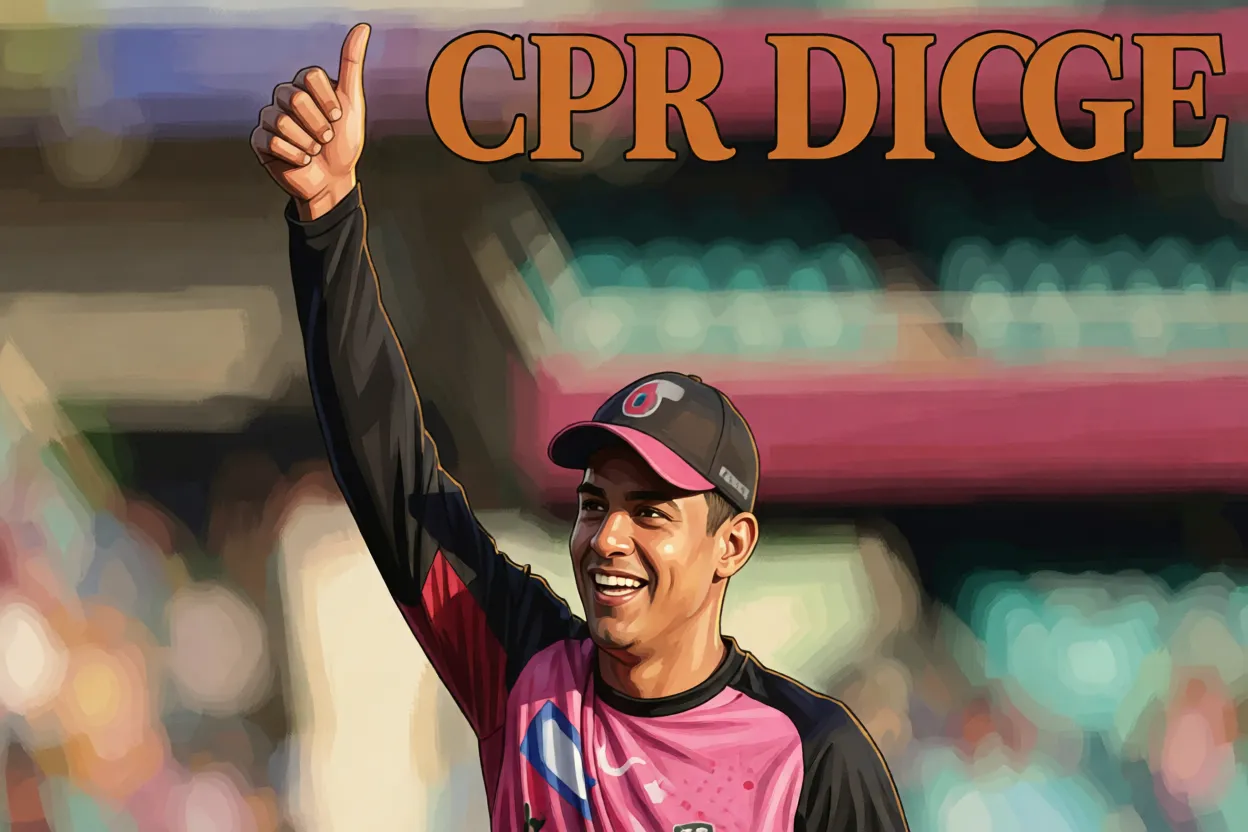



Ravindra Jadeja’s Ranji Season Is The Most Important Thing In Indian Cricket Right Now, And Nobody Is Watching
The Ranji Trophy operates in a shadow world for much of its duration because it lacks a consistent television broadcast. This reality remains a mystery to the general public while serving as common knowledge for those who inhabit the inner circles of domestic cricket. While matches are available on free streaming platforms, they typically attract between two hundred and two thousand viewers at any given moment. Even when Ravindra Jadeja takes the ball, that figure climbs to roughly fifteen thousand. These numbers provide a clear picture of the audience for domestic cricket in India, yet they fail to capture the true significance of what Jadeja is doing on the field regardless of whether the cameras are rolling.
What The Forty Overs A Day Actually Tells You
Jadeja is now thirty-five years old. He has spent three seasons managing a persistent knee issue while remaining the primary allrounder for India across all three formats. This specific workload remains unique in Indian cricket. No other player carries this weight, and over the last two years, every other allrounder who attempted to sustain it eventually saw their form or fitness break down. Jadeja deliberately chose to play the full Ranji season because he expressed a clear desire during a press conference in Rajkot last December. He wanted to bowl long spells, and at this stage of his career, the Ranji Trophy provides the only remaining opportunity for that specific style of endurance bowling.
Across eight matches, he averaged forty overs per day. This volume is highly unusual for a spinner in the domestic circuit. On typical flat tracks where batters are well set and spinners are prone to fatigue, captains usually rotate their bowlers into short bursts. Jadeja bowled these forty overs because he demanded them, and his Saurashtra captain, Jaydev Unadkat, granted him that permission. The two have known each other since they were seventeen years old, reflecting a deep level of trust that allows Jadeja to push his body to its limits.
The Batters Who Were Not Afraid Of Him
Domestic cricket presents a unique psychological dynamic where batters lack the intimidation factor found on the international stage. International opponents view Jadeja with apprehension because he is widely considered one of the best bowlers in the world. In those high-stakes matches, the ball behaves differently and the consequences of failure are massive. Domestic hitters do not face those same pressures. They play for their states and for pride, chasing contracts that pay significantly less than what Jadeja earns in a single week. Consequently, they approach him with aggression, often taking his bowling on the front foot without hesitation.
Jadeja finished the season with thirty-one wickets at an average of nineteen. While those statistics are impressive, they do not tell the full story. The real achievement lies in how he handled batters who actively tried to overpower him. He faced players who charged down the track and hit over the top, forcing him to bowl the specific deliveries he avoids in international cricket. These were the flighted balls that invite a batter to come forward. Despite the risk of being targeted by these aggressive tactics, Jadeja delivered them with precision and took his wickets consistently.
TL;DR
- Ravindra Jadeja is undertaking an extreme workload in the Ranji Trophy to maintain his bowling endurance at age 35.
- He bowled an unusual forty overs a day because of a unique trust between him and his captain, Jaydev Unadkat.
- Despite facing fearless domestic batters who attack him from the front foot, he maintained a strong average by mastering high-risk flighted deliveries.