

TL;DR
- The West Indies have opted to bowl first in their current series match, prioritizing early pressure and swing over defensive batting.
- They have integrated Hetmyer into the lineup to provide explosive power and late-innings acceleration for a potential consolation win.
- New Zealand has made a bold selection choice by debuting Kristian Clarke in place of the experienced Matt Fisher.
Tactical Shifts and the Pursuit of Momentum
The West Indies are clearly making a statement with their decision to bowl first in this latest encounter. In modern cricket, choosing to put the opposition in first suggests a high level of confidence in their pace attack’s ability to exploit early conditions. By forcing the New Zealand openers to contend with fresh movement and perhaps some moisture off the pitch, the West Indies aim to dictate the tempo from minute one. This isn’t just about taking wickets; it is about creating a psychological burden on the batting side before they even settle into their rhythm.
When a team looks for a consolation win, they often lean toward aggressive strategies that can turn a stalemate into a victory quickly. For the West Indies, this means putting as much pressure as possible on the New Zealand top order to see if they can crumble under a sustained barrage of high-velocity bowling. It shows a shift from their traditional “bat first” mentality in certain conditions, moving toward a more proactive stance that seeks to seize control of the narrative immediately.
The Hetmyer Factor: Power Over Preservation
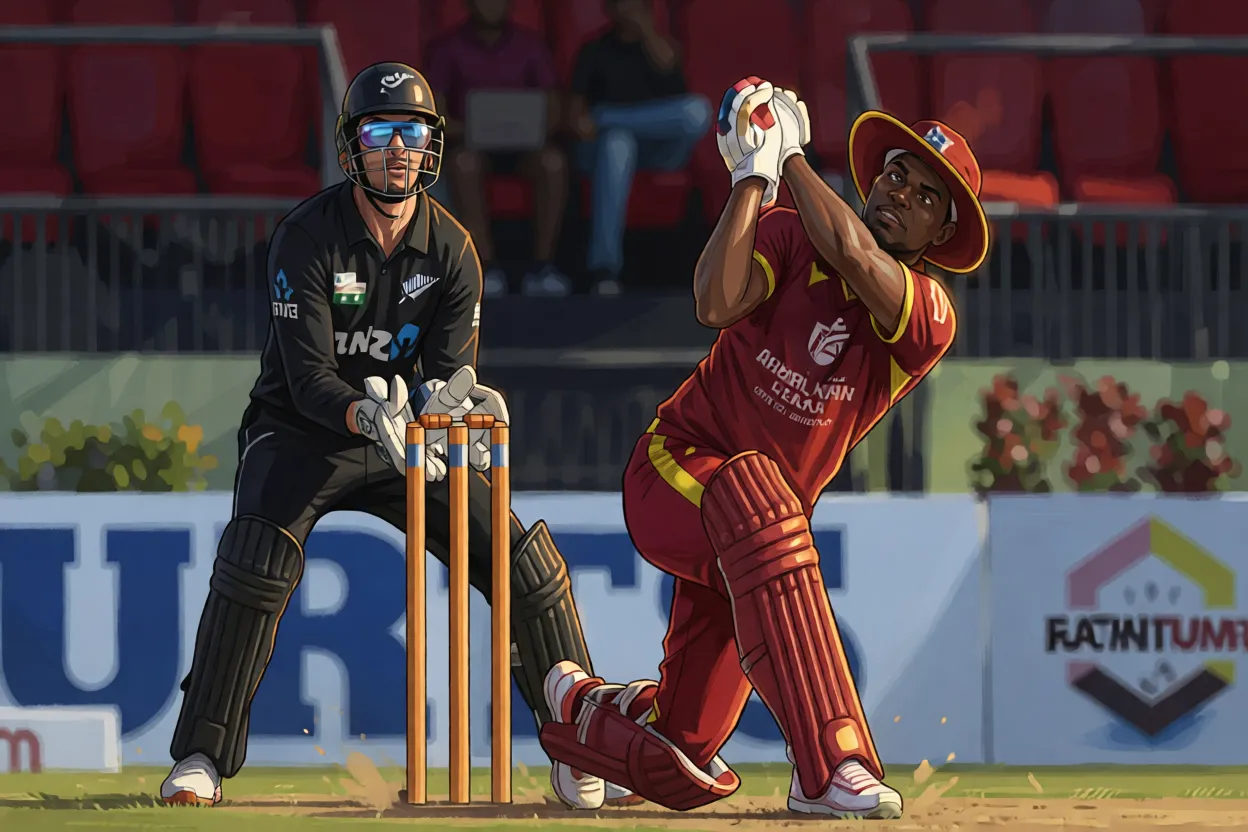
Bringing Hetmyer into the fold is a calculated move aimed at maximizing the scoring rate during the middle and lower overs. He isn’t just another hitter; he provides a specific brand of aggression that the West Indies need when they are hunting for points in tight windows. If the team finds themselves in a position where they need to chase down a target or push a lead beyond reach, Hetmyer is the designated heavy hitter.
His inclusion suggests that the coaching staff wants to avoid the “safety first” approach that has sometimes plagued their recent outings. Instead of looking for steady accumulation, they want someone who can clear the ropes with regularity. In a series where every run counts toward a consolation result, having a player who can turn a 50-run deficit into a winning margin in just ten overs is an essential luxury.
New Zealand’s Youth Gamble and Clarke’s Debut
On the other side of the coin, New Zealand is signaling a significant shift in their personnel management by handing Kristian Clarke his first tour game. Dropping Matt Fisher, a reliable and experienced hand in the bowling unit, is not a decision taken lightly. It indicates that the selectors are looking for a spark—a different kind of energy or perhaps a specific style of bowling that they feel matches the current conditions better than the veteran’s offerings.
Clarke entering the fray represents the “next generation” philosophy often seen in Kiwi cricket. They want to see if he can handle the pressure of the international stage without the safety net of experience. While Fisher provides stability, Clarke brings a raw potential that could be more effective if the conditions favor his specific strengths. It is a classic high-risk, high-reward move that could either pay off in a spectacular debut or leave them searching for answers when the game enters its final session.
Comparing the New Faces
To understand the scale of these shifts, it helps to look at the profiles of the players being shuffled into the mix compared to their predecessors. While stats are just numbers, they provide a clear picture of the roles these cricketers fill in the team structure.
| Player | Role | Key Metric/Attribute | Recent Form Context |
|---|---|---|---|
| Hetmyer | Power Hitter | High Strike Rate | Looking to maximize late-innings acceleration |
| Kristian Clarke | Bowling All-rounder | Debutant Potential | Replacing veteran stability with raw pace/skill |
| Matt Fisher | Fast Bowler | Experience & Control | Sidelined for youth and tactical variety |
The contrast here is stark. West Indies are doubling down on their existing strengths by adding more firepower, while New Zealand is experimenting with the building blocks of their future. By opting to bowl first and utilizing these specific personnel changes, both teams are trying to find a shortcut to victory in a series that has become increasingly competitive. The West Indies want to overpower the opposition physically and mentally, while New Zealand is hoping that Clarke’s fresh eyes will provide a breakthrough that the older guard might have missed.
Ultimately, this match will be decided by how well these new additions can handle the pressure of the spotlight. If Hetmyer can find his rhythm early and Clarke can find his line and length, the tactical gambles made by both captains could lead to a massive shift in the series standings. It is a fascinating period for both sides as they juggle experience against ambition.