

TL;DR
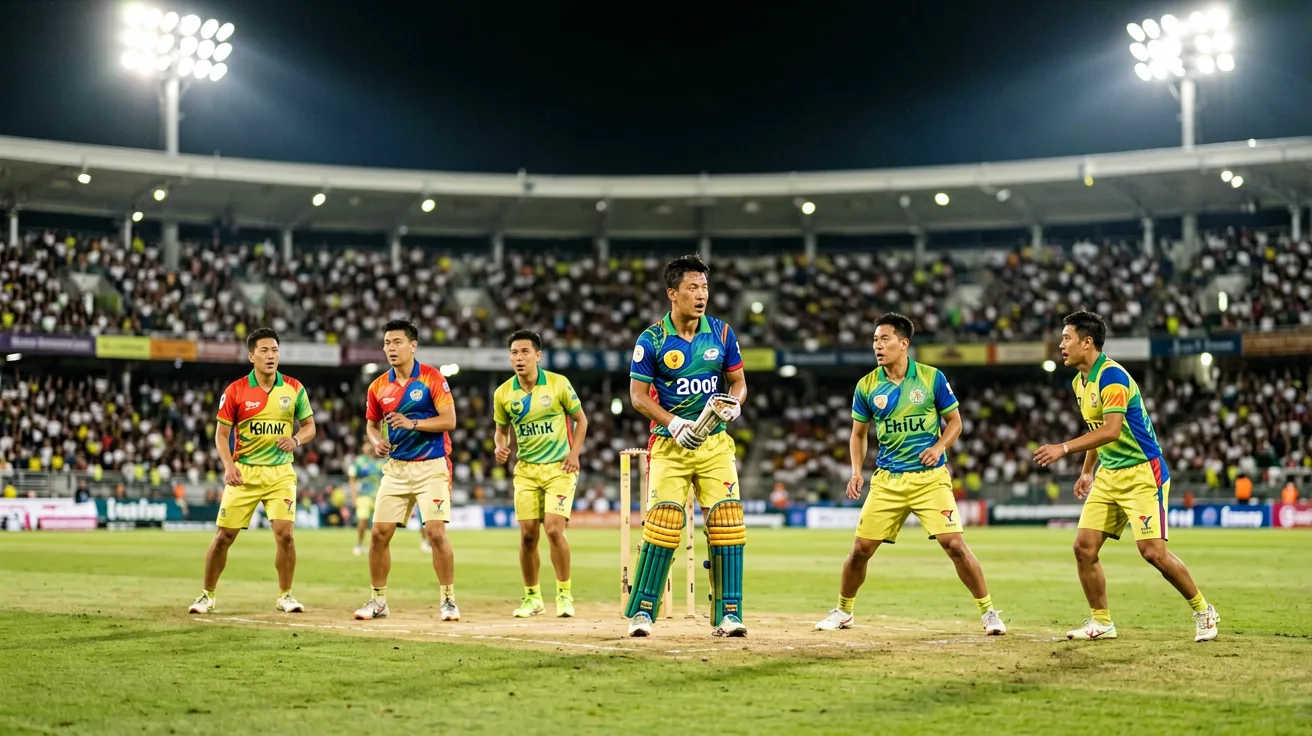
- England aims to maintain their dominant streak in T20Is against a struggling Sri Lankan side.
- Recent warm-up performances by Sri Lanka indicate significant difficulties for the island nation.
- Sri Lanka has failed to defeat England in a T20I series since 2014, creating a massive historical hurdle.
The Weight of History and England’s T20 Dominance
England enters this upcoming T20I series with a heavy sense of momentum. They have spent the last few years establishing themselves as the gold standard for aggressive, high-octane cricket in the shortest format. Their ability to put teams under pressure from the first ball has become a hallmark of their recent campaigns. When looking at the historical data, the gap between the two nations is stark. Sri Lanka has struggled to find a tactical solution to the English powerplay, often finding themselves buried under a mountain of runs before the powerplay even ends.
The statistics tell a clear story of one-sided affairs. Since 2014, Sri Lanka has been unable to secure a series victory against England in T20Is. This drought is not just a matter of luck; it reflects a disparity in the depth of the batting lineups and the variety of bowling options available at the death. England’s hitters are coached to take risks, and they do so with a level of confidence that often leaves the Sri Lankan bowlers looking for answers that never come.
A Tactical Power Shift
The shift in power dynamics can be seen in how England utilizes their all-rounders. By having players who can contribute significantly with both bat and ball, England maintains a constant pressure. They do not rely on a single hero; instead, they rotate strike and strike rates with surgical precision. For Sri Lanka, who often rely on individual brilliance from a few key players, this collective intensity is a difficult barrier to break.
Sri Lanka’s Warm-Up Woes and Roadblocks
While England looks polished, the Sri Lankan camp has shown cracks in the armor during their recent preparation phase. Their warm-up matches have been characterized by a lack of cohesion and a visible struggle to establish a consistent bowling identity. Several key bowlers have struggled to find their rhythm, often conceding high numbers of runs in the middle overs. This is a dangerous trend for a side that needs to defend totals to have any hope of upsetting the English machine.
The batting order has also faced issues with timing. In several net sessions and practice games, the Sri Lankan top order has appeared hesitant, failing to initiate the aggressive start required in modern T20 cricket. If they cannot find a way to score at a rate of 9 runs per over during the initial phase, they will find themselves chasing targets that are far beyond their reach.
Identifying the Bowling Crisis
The most glaring issue for Sri Lanka appears to be the lack of variety in their pace attack. Against an English side that excels at manipulating the field, a predictable bowling plan is a recipe for disaster. They need more cutters and slower-ball variations to disrupt the flow of the game. Without these, the English hitters will simply pick the bowlers apart, making the defendable totals of 150-160 look like impossible mountains to climb.
| Series Context | Winner | Margin | Year |
| Recent T20I Series | England | 4-0 | 2023 |
| Previous T20I Encounter | England | 3-1 | 2017 |
| Last Sri Lankan Victory | Sri Lanka | N/A | 2014 |
The data highlights a clear trend of English superiority. To change this, Sri Lanka must overhaul their strategy and find a way to neutralize the English powerplay. However, given their current form, it looks like a monumental task. England will likely look to use this series to solidify their status as the premier T20I force in the world.
England’s path forward seems clear. They will rely on their explosive top order and a bowling unit that knows how to squeeze the life out of the opposition. Sri Lanka, meanwhile, faces a daunting uphill battle. They need to find a spark of inspiration and a tactical shift that can overcome the years of historical dominance the English side has enjoyed. If they cannot find it in the next few matches, the gap between the two sides will only widen.