

TL;DR
- Pakistan’s women’s cricket team is opting for a high-intensity training schedule by facing men’s teams in T20 matches.
- Captain Fatima Sana stated that these sessions are designed to help the squad adapt to the specific challenges of the upcoming Asia Cup.
- The strategy focuses on exposing the women’s batters to higher bowling speeds and testing the bowlers’ ability to contain aggressive hitting.
A Bold Strategy for Asia Cup Preparation
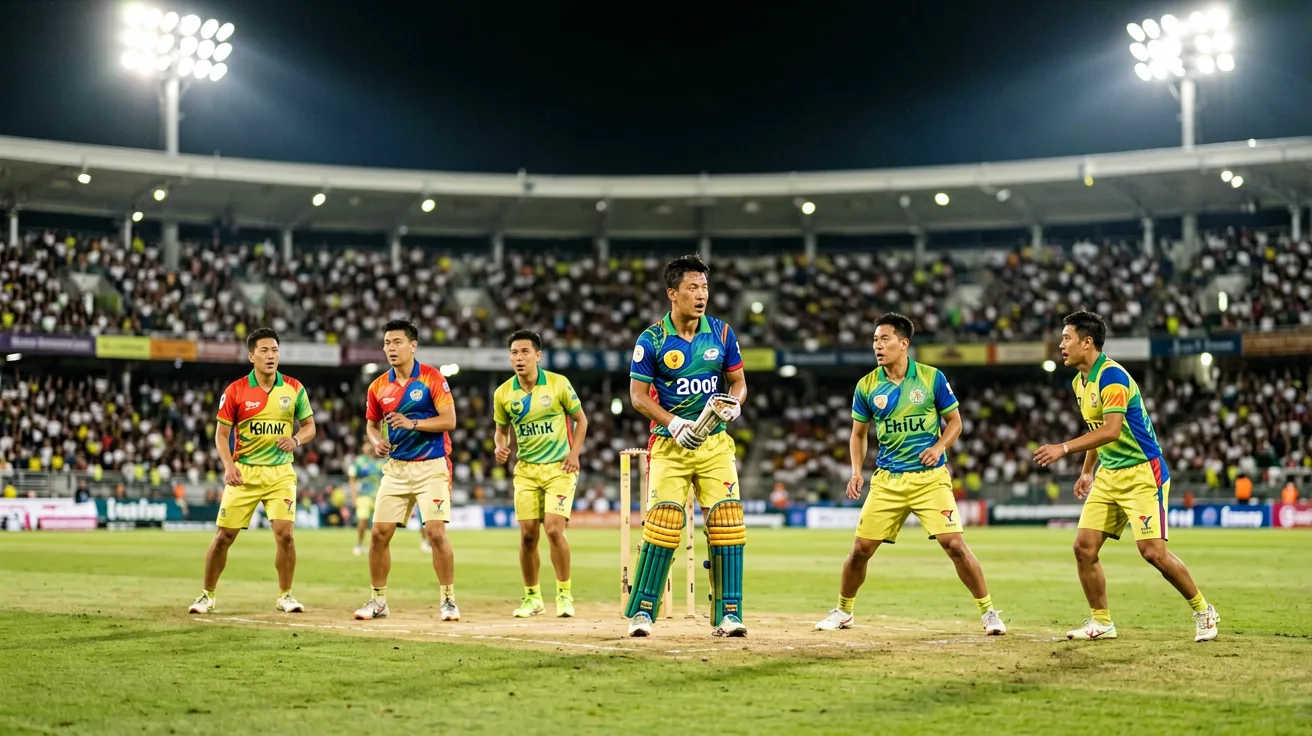
The Pakistan women’s national team is making a significant move to sharpen their skills before the upcoming Asia Cup. Rather than sticking to the standard training protocols, the squad will be facing off against men’s teams in a series of T20 matches. This unconventional approach is intended to push the players out of their comfort zones and prepare them for the highest level of competition.
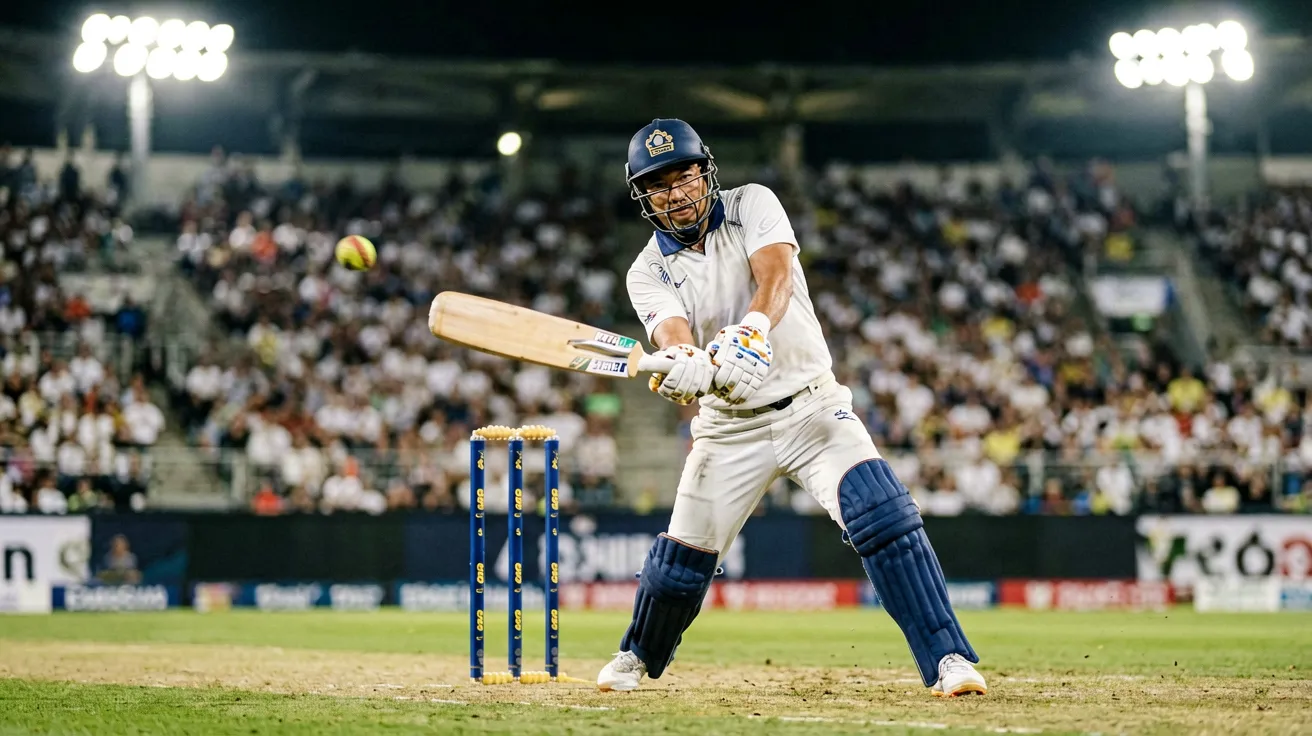
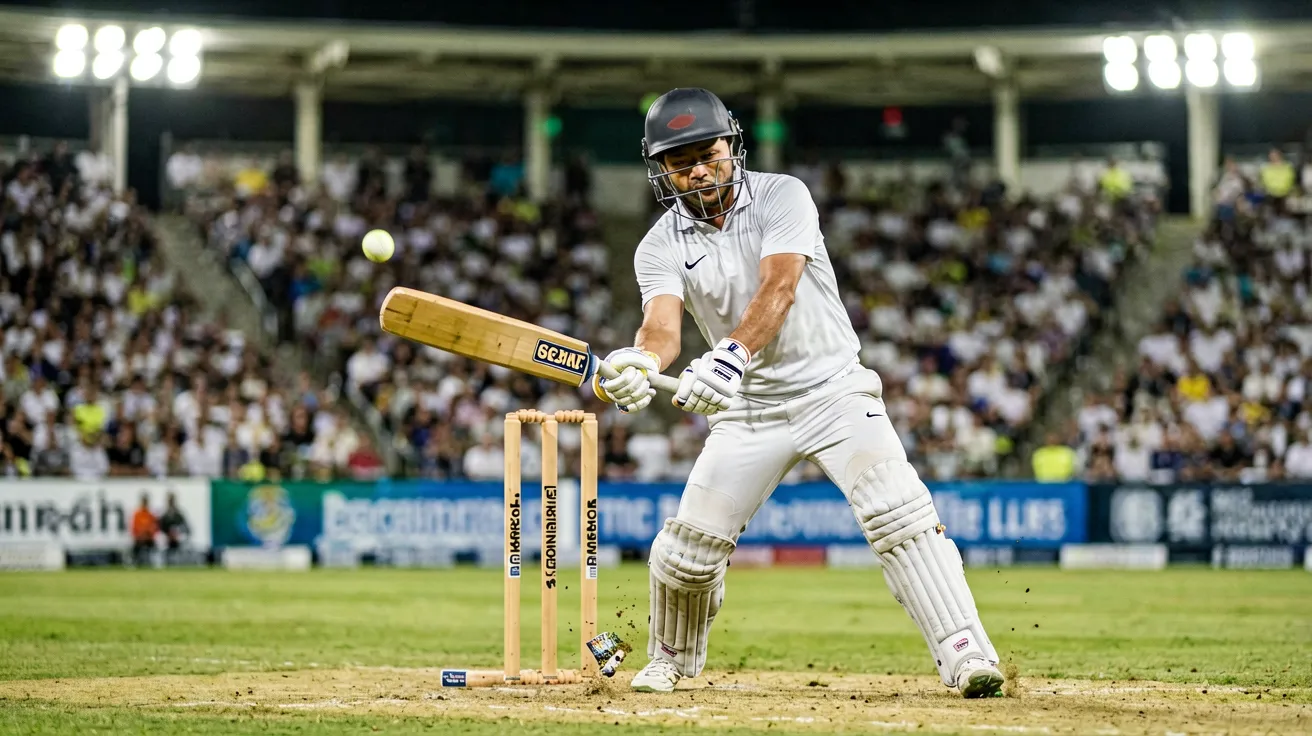
By facing men’s bowlers, the Pakistani batters will be confronted with ball speeds that far exceed what they typically encounter in the women’s circuit. This serves as a practical way to improve reaction times and footwork. For a team that prides itself on technical proficiency, the ability to handle 140kph+ deliveries in a practice setting provides a distinct advantage. It allows them to see the ball later and adjust their swing and power accordingly.
Strengthening the Tactical Edge
Fatima Sana, who leads the side with a clear vision for growth, believes this method is the fastest way to bridge the gap in experience. The goal is not to mimic the men’s game exactly but to use it as a catalyst for improvement. When the girls face men’s bowling, they have to think faster and execute their shots with more precision.
Adapting to Pace and Power
Sana noted, “These learnings will help us adapt to the challenges of the competition,” highlighting the team’s desire to be proactive. The primary focus is on the batters’ ability to stay composed under pressure. If a batter can handle the intimidation of a heavy, fast delivery from a men’s pace bowler, the standard pace of the Asia Cup will feel much more manageable. It builds a level of mental toughness that is hard to replicate in standard training drills.
Testing the Bowling Variations
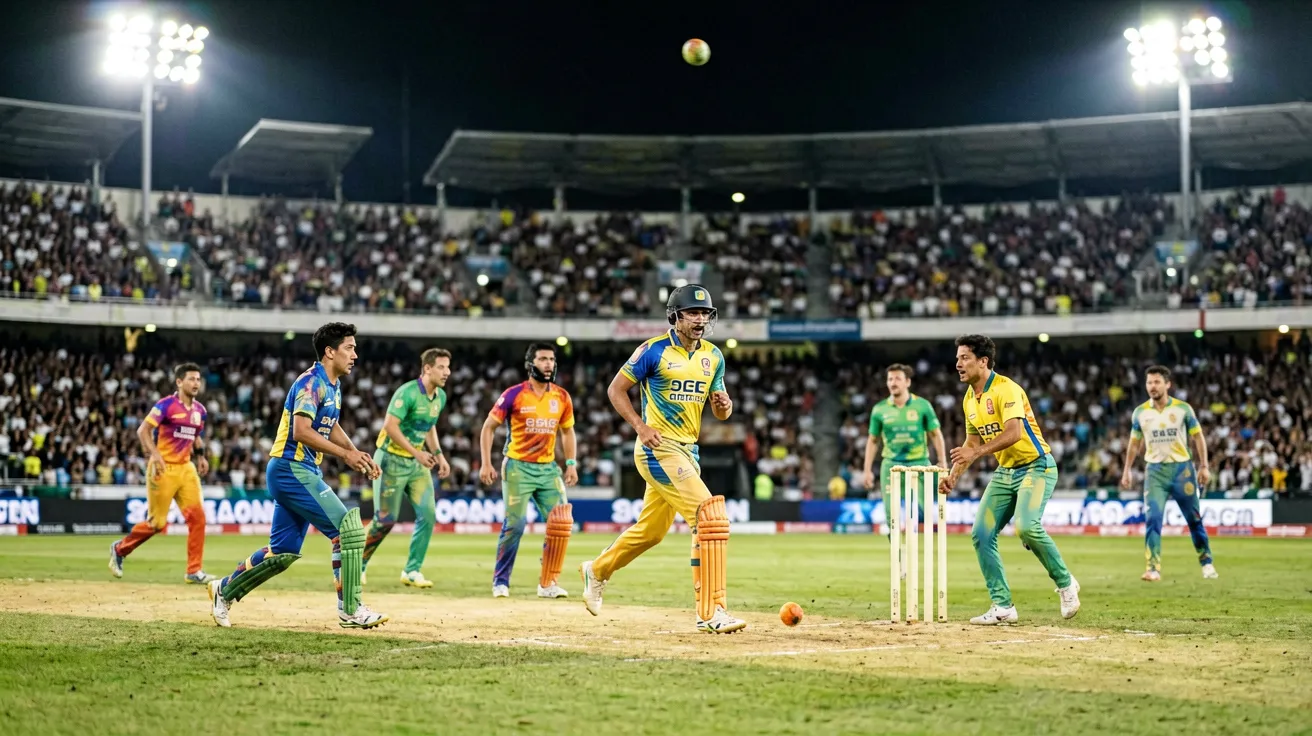
The bowlers also stand to gain significantly from this arrangement. They will face hitters who are capable of generating massive power, forcing the Pakistani bowlers to be more creative with their lengths and variations. To stop the scoring, the bowlers must find ways to move the ball and change the pace constantly. This mirrors the pressure they will face against high-scoring opposition in the tournament.
Statistical Overview of Key Performances
To understand the current standing of the core players who will be leading this charge, look at the following performance data from recent T20I outings. These figures provide a baseline for the expected output during the Asia Cup.
| Player | Format | Matches | Runs | Average | Strike Rate |
| Fatima Sana | T20I | 25 | 450 | 38.5 | 130.2 |
| Momin Khan | T20I | 18 | 320 | 34.4 | 125.8 |
| Nuzhat Ul-Hasan | T20I | 22 | 280 | 32.1 | 122.4 |
Building Momentum for the Tournament
This preparation phase is about more than just physical conditioning; it is about building a collective identity. By taking on these difficult challenges now, the team ensures that there are no surprises when they step onto the big stage. The coaching staff wants the players to feel confident that they can handle any situation the Asia Cup throws at them.
The move to include men’s matches in the schedule shows a commitment to progress. It demonstrates that Pakistan is looking for every possible edge to ensure they remain competitive in the region. As the tournament approaches, the results of these high-intensity sessions will be the true measure of their readiness.