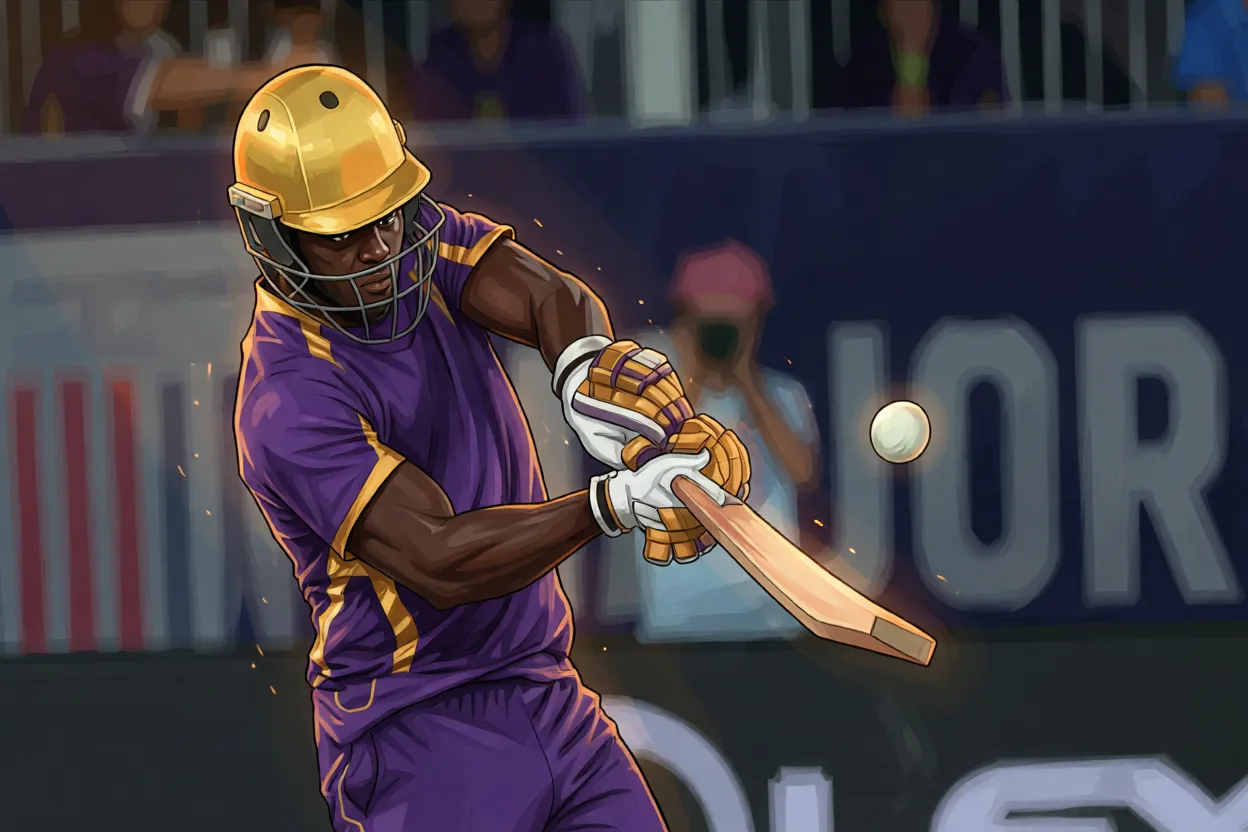


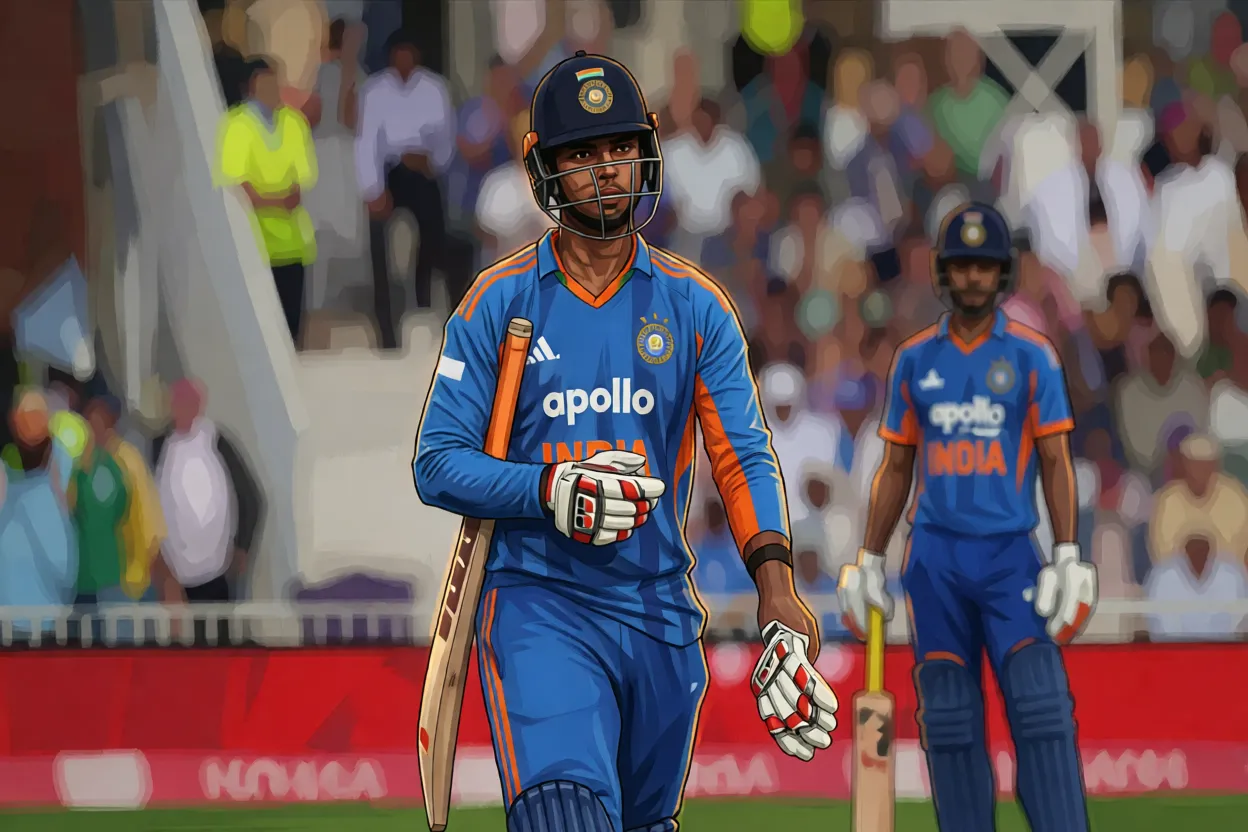
Ravi Bishnoi’s No-Ball Problem Sums Up India’s Horrendous UK Tour
TL;DR
- Ravi Bishnoi’s errors at critical junctures served as a microcosm for the team’s overall struggles during the series.
- Recurring discipline issues across the squad appeared to be the root cause of these frequent costly extras.
- The statistical breakdown of the tour highlights how consistent mistakes directly contributed to India’s heavy defeats.
The No-Balls, And The Crucial Moments
India’s recent campaign in the United Kingdom was defined by a lack of composure that often left the opposition with easy opportunities. While the team faced high-quality competition, their own internal lapses provided some of the most frustrating highlights for supporters at home. Ravi Bishnoi emerged as a primary example of this trend. His tendency to bowl no-balls during high-pressure situations frequently shifted momentum away from India and toward their opponents.
These mistakes were not isolated incidents in a vacuum. They occurred precisely when the team needed to tighten its grip on the game. Every time a bowler lost their line or length in a tightover, it allowed the opposition to rotate strike or find boundaries without having to take significant risks. This pattern of play perfectly mirrored the general atmosphere of the tour, which felt disorganized and lacked the necessary precision required for international cricket in English conditions. The results on the scoreboard reflected this lack of control, as India struggled to maintain consistency over three consecutive matches.
| Match | No-Balls | Extras Total | Result |
|---|---|---|---|
| 1st T20I | 3 | 14 | Lost by 23 |
| 2nd T20I | 2 | 11 | Lost by 7 wkts |
| 3rd T20I | 4 | 18 | Lost by 125 |
The Discipline Issues, And The Symptom
The issues faced by the squad extended far beyond individual bowling mechanics. When a team consistently concedes a high volume of extras, it signals a deeper problem with mental focus and tactical discipline. These no-balls were merely a visible symptom of an underlying lack of concentration that permeated the Indian camp throughout the tour. Instead of sticking to established plans, players often seemed to struggle with their execution under pressure.
This breakdown in discipline became evident as the series progressed. Every wide and every no-ball represents a mental lapse where the bowler fails to prioritize accuracy over aggression. In a competitive environment like a UK tour, these minor errors compound quickly. The heavy losses, particularly the staggering 125-run defeat in the final match, were direct consequences of this inability to maintain basic standards. The squad appeared to lose its way, allowing small mistakes to snowball into insurmountable deficits.
The Extras, And The Breakdown
The data from the tour paints a clear picture of how these lapses impacted the scoreboard. By looking at the sheer volume of extras conceded, one can see how often India handed away free runs that could have been avoided with better discipline. Wides and no-balls are particularly damaging because they provide the batting side with easy scoring opportunities while disrupting the bowler’s rhythm.
| Extra Type | Count (3 matches) | Runs Conceded |
|---|---|---|
| Wides | 12 | 12 |
| No-balls | 9 | 9 |
| Byes | 5 | 5 |
| Leg-byes | 7 | 7 |
| Total | 33 | 33 |
The breakdown confirms that the tour was characterized by a lack of control. While byes and leg-byes are often products of the field setup, the high number of wides and no-balls points directly back to individual errors. These mistakes occurred at the most dangerous moments, making it impossible for India to stay ahead in the run chase or defend their totals effectively. As the team looks toward future series, the primary objective must be a return to fundamental discipline. The UK tour serves as a stark reminder that even the best talents can be undermined by a simple lack of focus on the basics.