

TL;DR
- India faces a growing crisis of confidence as Shreyas Iyer remains winless in T20I captaincy.
- Zimbabwe is preparing to exploit tactical inconsistencies and middle-order stagnation in the Indian side.
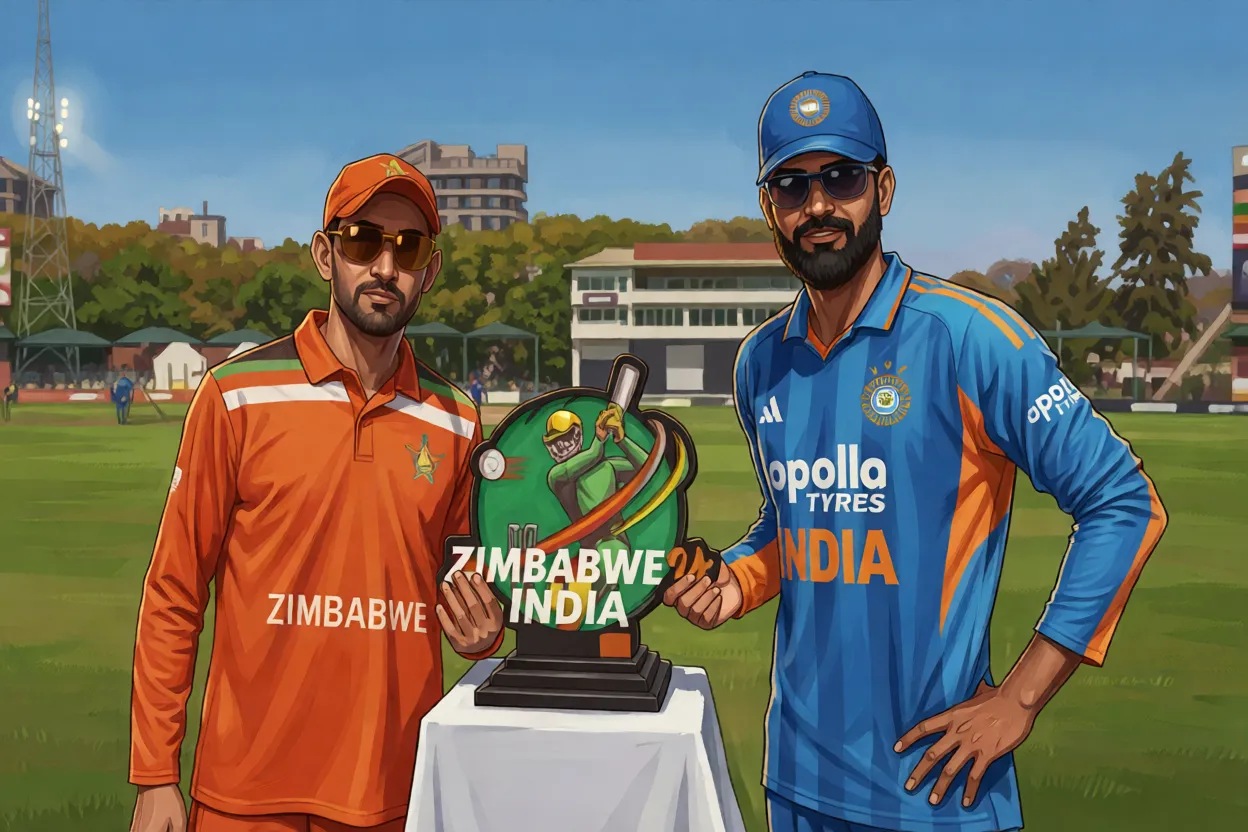
- The upcoming series serves as a high-stakes opportunity for both teams to redefine their current cricketing identities.
A Leadership Crisis in the Indian Camp
The narrative surrounding Shreyas Iyer has shifted from “promising successor” to “struggling strategist.” While Iyer possesses the technical proficiency required to anchor an innings, his ability to command a team toward victory in the high-octane T20I format is currently under fire. Since taking over the reins, India has failed to secure a single win, a drought that is beginning to weigh heavily on the locker room morale. Critics argue that while the individual talents are present, the cohesive “winning formula” remains elusive.
India’s recent performances have been characterized by flashes of brilliance followed by inexplicable collapses. In their last three outings, the team has struggled to maintain momentum during the middle overs—the very phase where they should be pulling away from their opponents. When a captain fails to provide clear tactical direction during these transition periods, it creates a vacuum that teams like Zimbabwe are eager to fill. For Iyer, this isn’t just about losing matches; it is about establishing authority and proving he can handle the heat of international pressure.
The Middle-Order Malaise
One of the glaring issues is the lack of intent from India’s middle order. Instead of finding gaps and rotating the strike with purpose, hitters have often looked over-cautious or, conversely, reckless in their attempts to clear the boundary. This inconsistency has allowed bowlers to dictate terms, leading to a stagnant scoreboard.
Tactical Errors in Bowling Rotations
Furthermore, the bowling rotations under Iyer have been inconsistent. We are seeing instances where death overs are left to inexperienced hands, while primary strike bowlers are overused in the powerplay. This lack of balance makes it incredibly easy for an aggressive side to dismantle the Indian defense before they can settle into a rhythm.
Zimbabwe’s Blueprint for Upset
Zimbabwe is not coming into this series with an attitude of submission. They have studied India’s recent failures and noted the specific patterns of collapse. Their objective is clear: keep the pressure high, target the new ball aggressively, and squeeze India in the middle section where the captaincy seems most vulnerable. Zimbabwe knows that a win over India would be more than just two points; it would be a massive statement of intent for their own developmental progress.
The Zimbabwean side has shown they can compete with elite bowling when given the chance to play proactive cricket. By utilizing their all-rounders to create variations in pace and spin, they intend to disrupt India’s planned batting sequences. They aren’t looking for a long game; they want to exploit every minor hesitation from the Indian camp to secure a result that would shock the cricketing world.
| Match Context | Team Performance Metric | Key Statistic/Result |
|---|---|---|
| Recent T20I Series | India Win Percentage (under Iyer) | 0% |
| Powerplay Strike Rate | India Average | 134.5 |
| Zimbabwe Bowling Avg | Against Top Order | 24.8 |
| Total Runs Conceded | Last 3 Matches | 412 Runs |
Exploiting the Powerplay
Zimbabwe’s opening pair will likely aim to take on the Indian pace attack with high-risk, high-reward shots. If they can push India’s required run rate above 9 runs per over in the first six overs, it puts immediate pressure on Iyer’s field placements. Watching how he reacts to an early onslaught will tell us everything we need to know about his readiness for this role.
Closing the Gap with Spin
In the middle stages, Zimbabwe plans to introduce spin earlier than usual. By forcing India’s hitters to play against the turn while they are still trying to find their feet, Zimbabwe hopes to induce errors in shot selection. This is where the Indian team has looked most vulnerable—struggling to adapt to changing conditions and varying speeds of delivery.
The upcoming matches will be a defining moment for Shreyas Iyer’s career. He needs more than just a win; he needs a tactical masterclass that shows he can outthink his opponents as effectively as he plays them. Conversely, Zimbabwe stands on the precipice of one of their greatest triumphs in recent memory. If they can stay disciplined and stick to their plan of exploiting India’s current vulnerabilities, they might just pull off the upset of the season.