


TL;DR
- Pakistan is conducting a massive squad overhaul, sending seven established players back home ahead of the England series.
- A new head coach, Hesson, has been appointed to lead the Test side and oversee the team’s transition.
- The squad will feature five uncapped players along with Saim Ayub and Abdullah Fazal as part of a youth-focused strategy.
Pakistan Triggers Major Squad Shake-up for England Tour
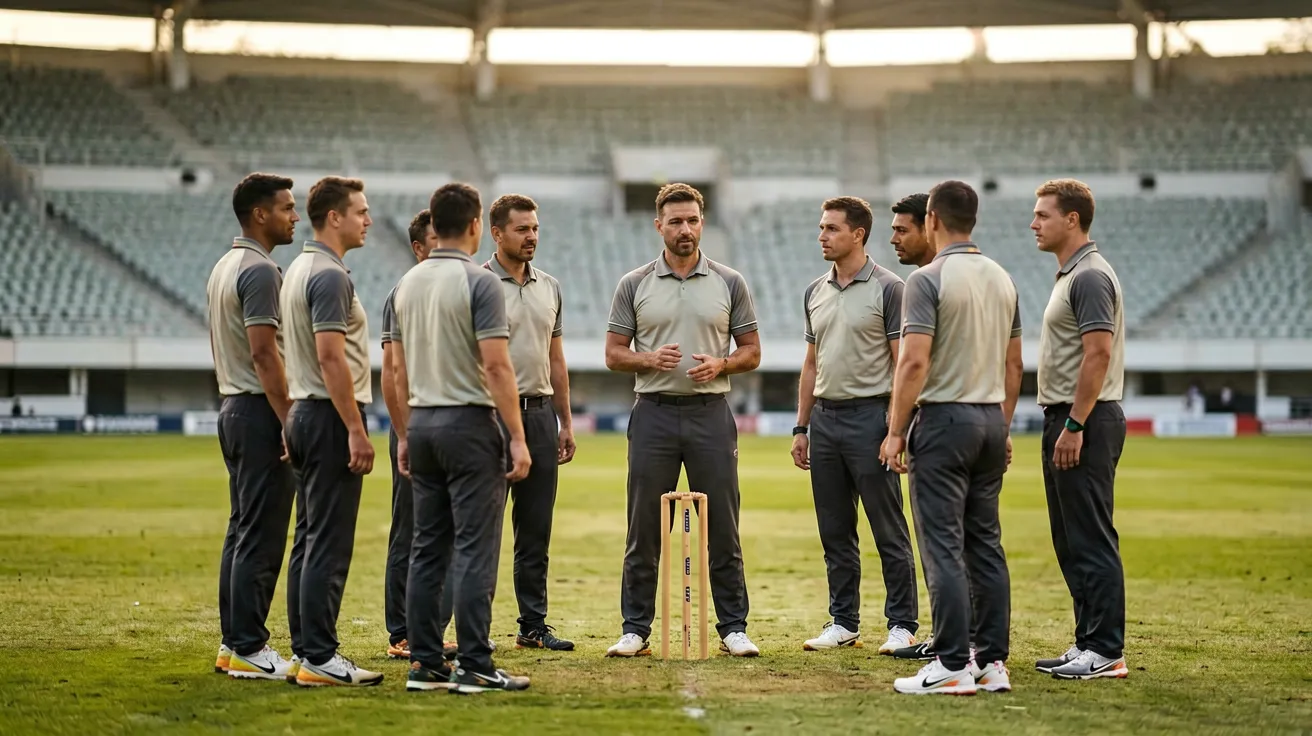
The Pakistan Cricket Board (PCB) has taken a bold and somewhat shocking step in preparing for the upcoming Test series against England. In a move that has sent ripples through the cricketing community, the board has decided to send seven established players back home. This decision represents a massive departure from the usual incremental changes seen in international cricket. Instead of tweaking the existing lineup, the PCB is opting for a “hard reset” on the Test squad.
By clearing out a significant portion of the senior roster, the team management is looking to shed the baggage of recent performances and start fresh. This move puts a lot of pressure on the remaining players to step up, but it also creates a vacuum that the board intends to fill with raw talent. The focus is clearly on rejuvenation and identifying who can handle the specific demands of English conditions. The decision suggests that the current core may have reached a plateau, and the board is willing to risk continuity for the sake of progress.
The New Guard: Uncapped Talent and Tactical Shifts
The most striking part of this announcement is the inclusion of five uncapped players into the Test setup. This indicates a clear strategy to prioritize youth and potential over experience in the current cycle. The board is betting on the idea that a younger, hungrier group can adapt better to the swinging conditions often found in the UK. Among these new additions are Saim Ayub and Abdullah Fazal, two names that have been gaining significant attention in the domestic circuit.
Spotlighting Saim Ayub and Abdullah Fazal
Saim Ayub became as a high-impact batter who can provide the aggressive start the team often lacks in overseas conditions. His ability to rotate strike while maintaining a high scoring rate makes him a valuable asset for any top-order lineup. He brings a modern approach to the crease, which could be a refreshing change for a side that sometimes struggles to find momentum early in an innings.
On the other side of the coin, Abdullah Fazal offers a different utility. As an all-rounder, his ability to contribute with both bat and ball provides the balance necessary for long-form cricket. His experience in domestic competitions gives him a foundation, but his inclusion in the Test squad shows that the PCB views him as a viable option for the international stage. The addition of four other unknowns alongside them suggests a complete overhaul of the middle-order dynamics.
| Player Category | Key Attributes | Expected Role in England |
| Saim Ayub | Aggressive Batting & Strike Rotation | Top-order / Opening |
| Abdullah Fazal | All-round Bowling & Batting | Middle-order / Bowling Support |
| Uncapped Players | Raw Speed & Developmental Potential | Rotation / Bench Strength |
The Hesson Appointment and the Road Ahead
With a new squad and a new head coach, the coaching philosophy is set to change. Bringing in Hesson to lead the Test side is a clear signal that the PCB wants a different tactical approach. Hesson will have the difficult task of integrating five new faces while managing the expectations of a nation hungry for Test success. He needs to establish a culture of discipline and technical proficiency quickly, as the window for preparation is shrinking.
The challenge for Hesson lies in the timeline. With the England tour looming, there is very little time for players to find their feet in high-pressure environments. He must identify which of the five uncapped players can handle the pressure of the international stage immediately. The goal is to build a cohesive unit that can withstand the mental and physical demands of a grueling Test schedule. The board is looking for a coach who can mold these raw materials into a finished product capable of competing with one of the world’s top-ranked sides.
Pakistan is entering a period of transition that is as risky as it is exciting. By prioritizing youth and appointing a fresh coaching voice, the board is betting on the future of the game. The success of this strategy will depend on whether Saim Ayub, Abdullah Fazal, and their new teammates can turn potential into performance on the grass of England.