


The WPL’s Second Season Was Better Than The First, And The Reasons Are The Reasons The League Needed
The second season of the Women’s Premier League has concluded, and it was undeniably superior to its predecessor. While the inaugural year served as an experiment, this latest chapter provided the proof required for long-term viability. In professional sports, success depends on demonstrating value, and the WPL has successfully transitioned from a trial run into a functional reality.
The Numbers That Matter
The growth in spectator interest is striking. Average attendance climbed to twelve thousand, a substantial increase from the seven thousand recorded during the first season. These figures prove that the league has captured the public’s attention across its host cities. However, the most compelling data points involve the development of domestic talent.
| Metric | Season 1 | Season 2 |
|---|---|---|
| Average Attendance | 7,000 | 12,000 |
| Indian Players with 50+ Runs | 9 | 19 |
| Indian Players with 3+ Wickets | 5 | 11 |
| Indian Player of the Match Awards | 8 | 14 |
These statistics confirm that the league is achieving its core objective. During the launch, the BCCI stated that the primary goal was to provide Indian cricketers with consistent, high-quality competition against global stars. For twenty years, the women’s game in India lacked a platform where players could face elite opposition week after week. The WPL provides this necessary bridge. It allows athletes to experience failure in a controlled environment, learn from those mistakes, and return stronger for the following season.
The Players Who Proved It
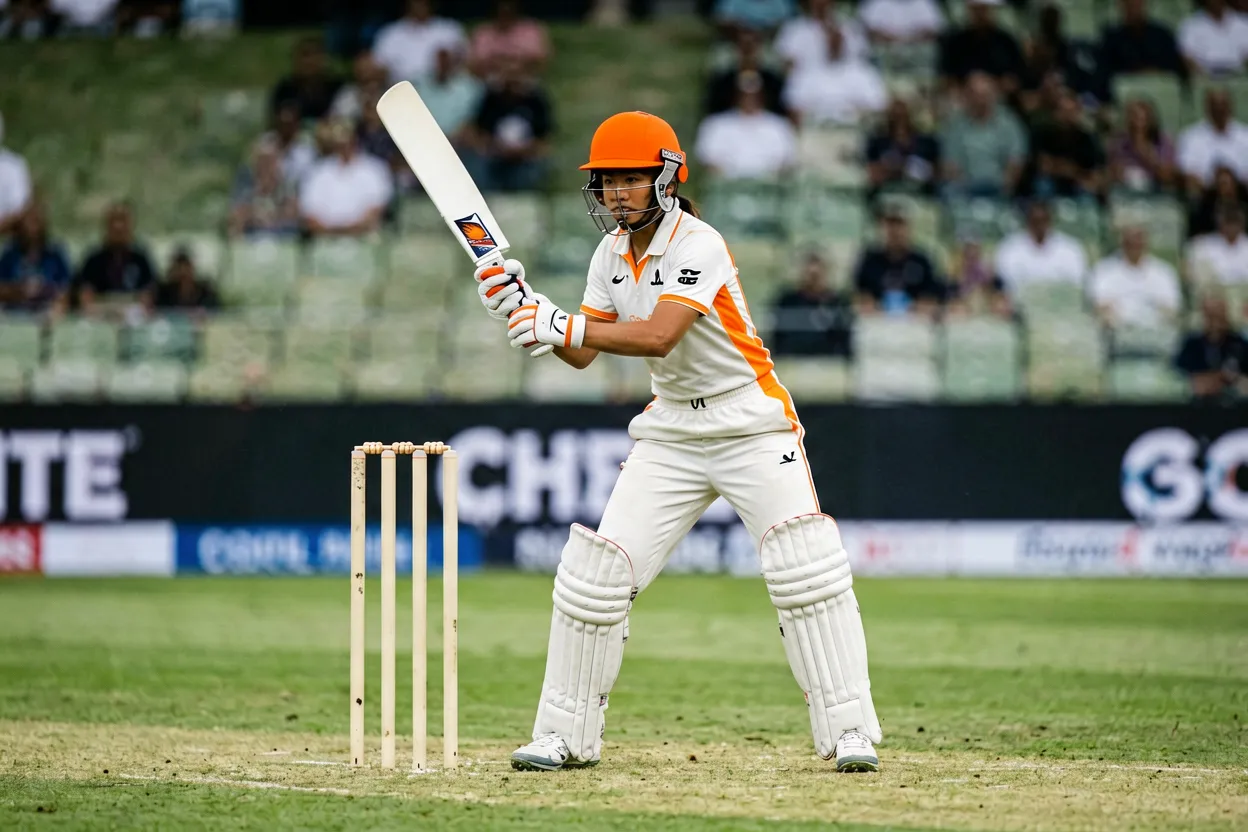
Two specific athletes perfectly illustrate this progress. First, a sixteen-year-old sensation from Jharkhand captured the spotlight during the final. Opening the batting, she struck forty-three off thirty-one balls to give her side the momentum it required. Throughout the tournament, she recorded two fifties and became a primary talking point for national selectors. She is now expected to be the youngest member of the upcoming World Cup squad. Her rapid ascent shows exactly what happens when a young player receives a professional platform to hone their skills under pressure.
Another standout was the twenty-four-year-old fast bowler from Vidarbha. She finished the season with sixteen wickets, leading all Indian bowlers in that category. In a tense penultimate over during the final, she defended thirteen runs using a sharp yorker. This specific skill appeared less frequently among Indian bowlers last year but became much more common this season. The reason lies in the shared dressing room environment. By training alongside overseas stars every day, local players are absorbing elite techniques and nuances that were previously difficult to replicate. That proximity is exactly what the league intended to create.
TL;DR
- The WPL successfully moved from an experimental first year to a proven model of success in its second season.
- Key metrics showed significant growth in both stadium attendance and individual performances by Indian players.
- Shared training environments with international stars are accelerating the development of local bowling techniques and skills.