


TL;DR
- Rain at Sophia Gardens has severely restricted the day’s play, leaving only 18 overs available.
- Glamorgan faces a significant tactical challenge to secure a result in these truncated conditions.
- The match now hinges on the batting side’s ability to maintain a high scoring rate during brief windows of play.
Weather Woes at Sophia Gardens
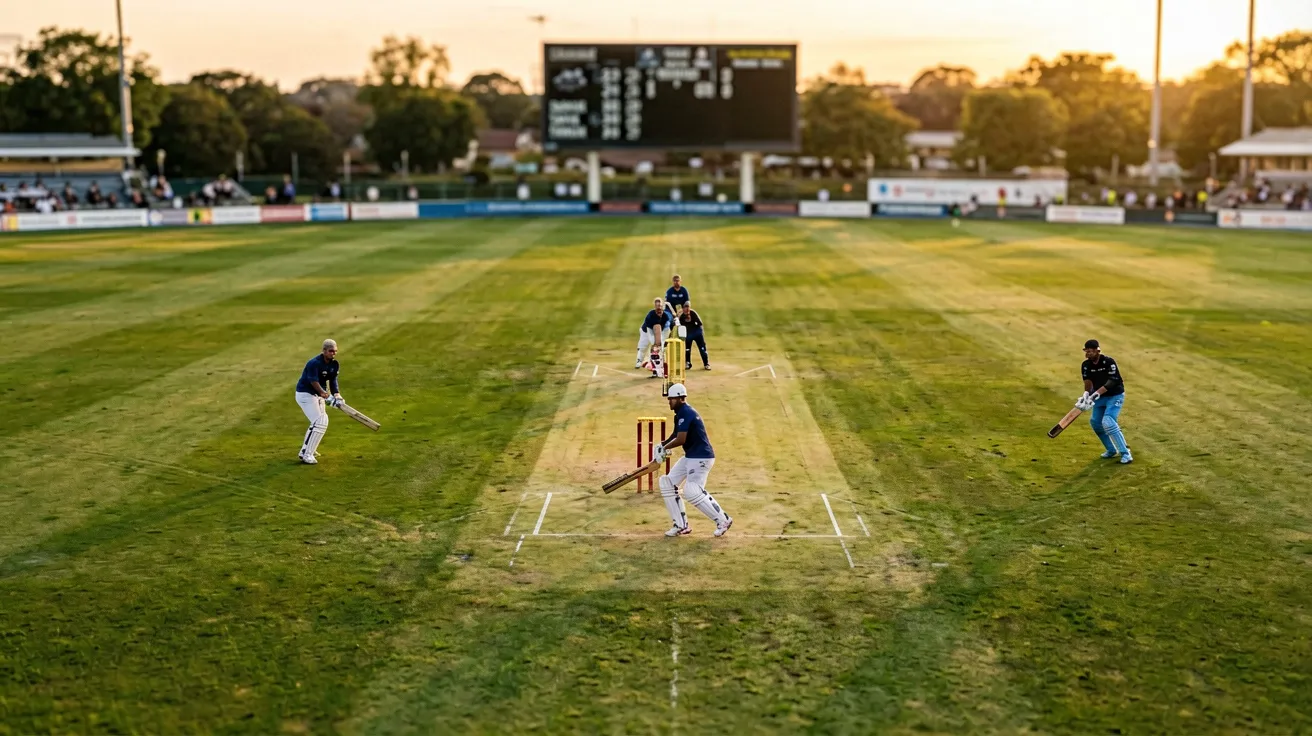
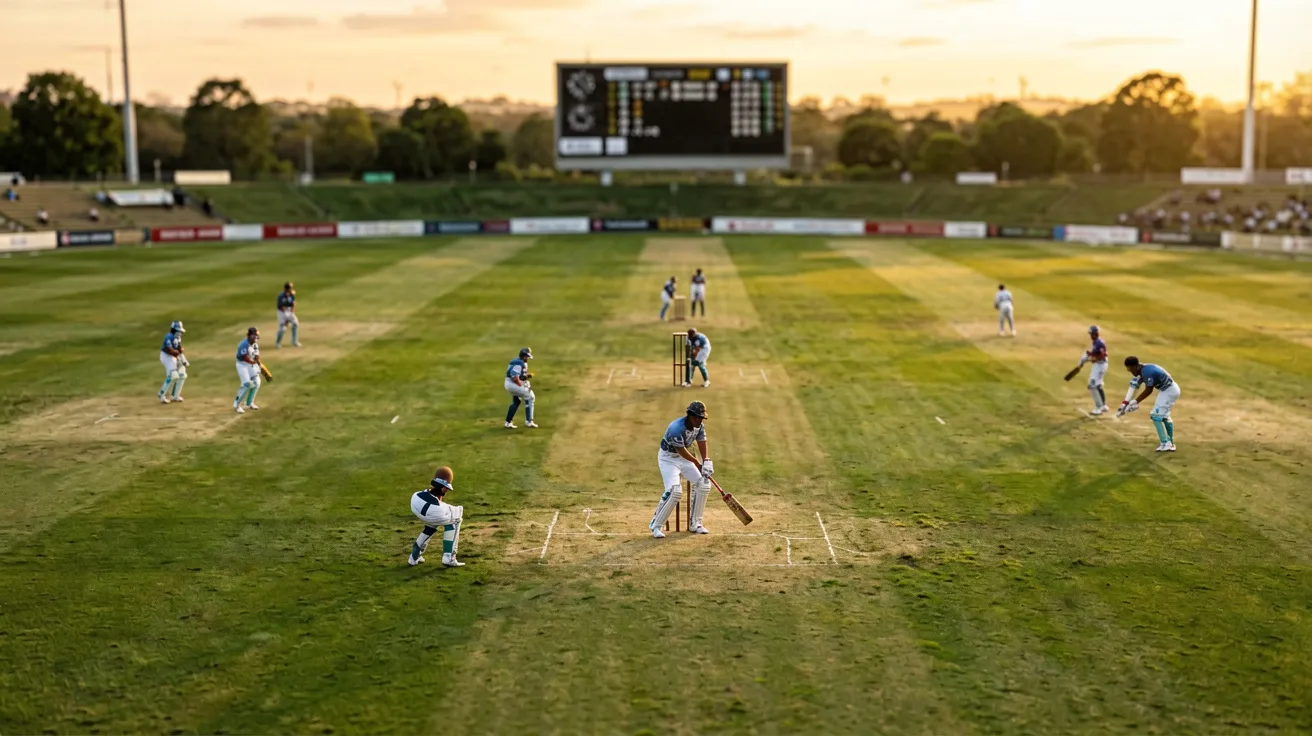
The clouds have hung heavy over Cardiff today, turning a promising day of cricket into a grueling battle against the elements. Sophia Gardens, usually a picturesque venue for the County Championship, has seen its outfield dampened by persistent drizzle. The officials have confirmed that only 18 overs of play are possible for the remainder of the day. This news has sent a ripple of tension through the dressing rooms, as the available time is now a luxury rather than a standard.
When the weather dictates the terms of engagement, the traditional flow of the game changes. For the batting side, the pressure to maintain a high scoring rate becomes immediate. They cannot afford a slow start; every dot ball feels like a missed opportunity to capitalize on the limited time available. If the openers fail to find their rhythm quickly, the middle order may find themselves forced into high-risk shots to keep the scoreboard moving.
Adjusting the Batting Approach
The strategy for Glamorgan now requires a shift in mindset. Instead of looking for a steady accumulation of runs, the batsmen must identify boundaries early. In a standard session, a cautious approach might be rewarded, but with a 18-over limit, survival is not the primary objective. The team needs to look for gaps in the field and exploit any lapses in concentration from the bowling unit. The goal is to maximize the “quality” overs, ensuring that every delivery faced contributes to the total.
Bowling Dynamics in Damp Conditions
On the bowling side, the moisture in the air and on the surface creates a different set of headaches. While the ground staff has worked tirelessly to keep the rest of the surface playable, the grass remains slick in several areas. This moisture can lead to unpredictable ball behavior, offering extra swing for the seamers in the first few overs of a new spell. However, as the ball softens, it may become easier to grip, potentially allowing for some sharp variations.
The captains will have to make quick decisions regarding field placements. Because the overs are so limited, a defensive field might be seen as a waste of resources. They will likely opt for more aggressive settings, looking to strike early and put the opposition on the back foot. The aim is to create pressure from ball one, forcing the batsmen into errors before the rain returns to halt play once again.
| Team | Runs | Wickets | Overs | Run Rate |
| Glamorgan | 148 | 3 | 13 | 11.38 |
| Opponent | 41 | 1 | 4 | 10.25 |
The current state of play shows a tight contest where the margin for error is razor-thin. Glamorgan sits in a position where they must balance the need for aggression with the reality of the deteriorating conditions. If they can find a way to turn these 18 overs into a productive period, they might just secure the parity they are seeking. However, the unpredictability of the Cardiff weather remains the ultimate deciding factor in this match.
The situation at Sophia Gardens serves as a classic example of why county cricket remains such a challenging pursuit. The combination of tactical depth and environmental variables creates a high-pressure environment for both players and coaches. As the teams prepare for the next available window of play, the focus remains on making every single ball count in this rain-affected encounter.