


TL;DR
- Matthew Pretorius reached his highest T20I score after overcoming a slow start at the crease.
- Heinrich Klaasen provided critical mental support to help Pretorius adjust his approach during the middle overs.
- The interaction highlights the importance of senior-junior mentorship within the South African T20I setup.
Finding the Flow: Pretorius’s Growth on the Big Stage
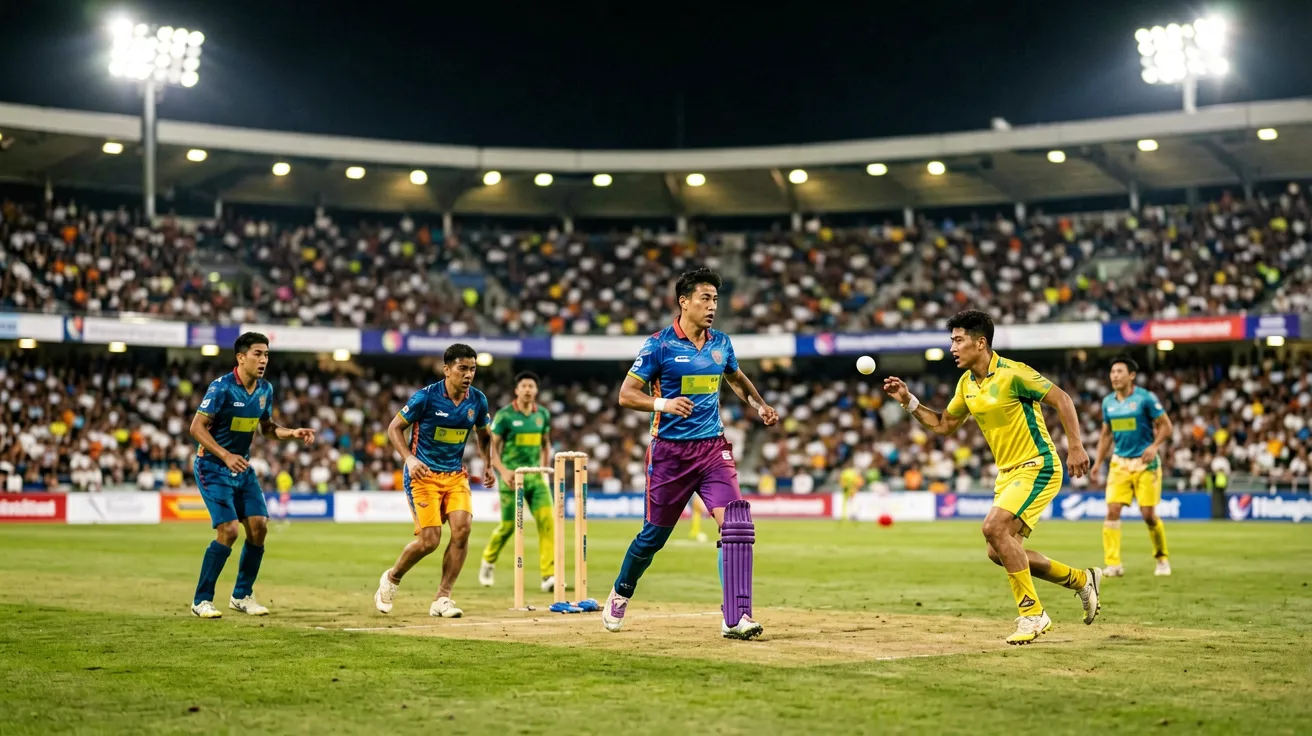
Matthew Pretorius has been steadily carving out a space for himself in the South African cricket setup. While his transition into the international T20I circuit has seen some ups and downs, his recent performance stood out as a clear sign of maturity. He didn’t walk out and start smashing boundaries from ball one. Instead, he took the time to gauge the conditions, understand the bowling variations, and find his feet. This patient approach is often what separates a good domestic player from a consistent international performer.
For many hitters, the pressure of the T20 format can lead to rushed decisions. However, Pretorius showed a level of restraint that surprised some observers. He spent the initial overs identifying the gaps and getting comfortable with the pace of the ball. This deliberate start allowed him to build a foundation before he began to accelerate. By the time he reached his highest score in this format, he was playing with a sense of purpose that suggested he had finally figured out the balance between strike rotation and power hitting.
The Klaasen Connection: A Masterclass in Mentality
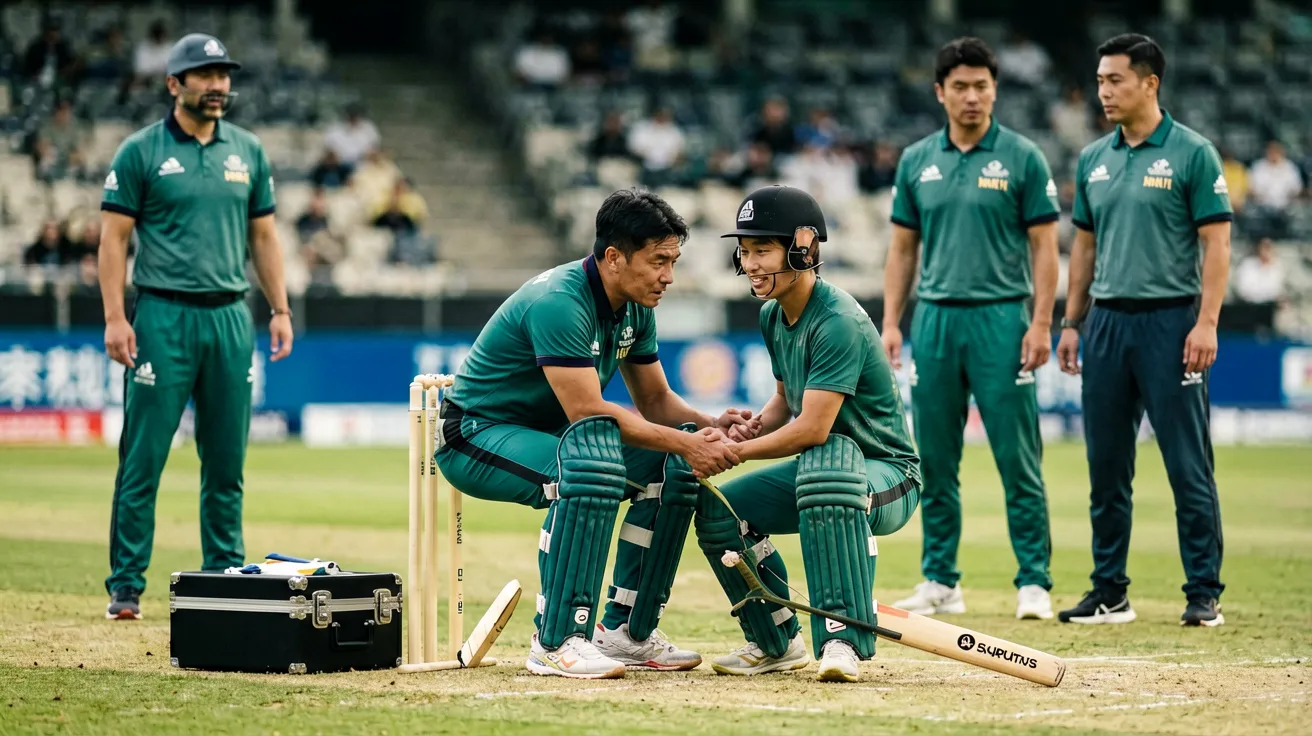
The most interesting part of this performance wasn’t just the runs on the board, but the mental shift that occurred during the game. Pretorius admitted that he felt a bit stuck during the middle stages, a common feeling when the opposition tightens the screws. It was at this moment that he reached out to Heinrich Klaasen. Klaasen, who is widely regarded as one of the most naturally gifted finishers in the game, offered more than just tactical advice. He provided a mental reset.
Shifting the Mindset
Klaasen’s influence on Pretorius centered on how to view the pressure of the remaining overs. Instead of seeing the scoreboard as a burden, Klaasen encouraged a more fluid way of thinking. The conversation helped Pretorius move away from overthinking his next move. When a player stops worrying about the “what ifs” and starts focusing on the “right now,” the game usually opens up. This shift allowed Pretorius to play more naturally, leading to the aggressive scoring that defined the final stages of his innings.
Seniority and Support
This dynamic is a great example of how the Proteas’ dressing room operates. Having seasoned veterans who can offer a quick word of encouragement can change the trajectory of a game. Klaasen’s ability to communicate his experience to a younger teammate like Pretorius ensures that the team’s aggressive identity remains intact. It shows that while the individual is responsible for the runs, the collective environment provides the tools to achieve them.
Recent Performance Statistics
To put these performances into perspective, here is a look at the recent form of both players in the T20I format:
| Player | Recent T20I Score | Strike Rate | Average (Last 5) | Role |
| Matthew Pretorius | 48* | 142.5 | 28.50 | Middle Order |
| Heinrich Klaasen | 52 | 155.0 | 44.10 | Finisher |
The data shows that while Klaasen remains the primary power source, Pretorius is closing the gap in terms of strike rate and consistency. His ability to settle into a high-scoring rhythm under pressure is a positive sign for the team’s depth.
The connection between Pretorius and Klaasen serves as a blueprint for how the South African team can develop its middle order. By fostering an environment where players feel comfortable seeking advice, the team builds a stronger, more resilient unit. Pretorius’s ability to turn a stagnant start into a high-scoring finish proves that he belongs on the international stage, especially when he has the right support system behind him.