

TL;DR
- Lancashire captain Hollman made a successful return from injury, taking two quick wickets in the opening overs.
- Middlesex faced an early collapse but managed to stabilize their innings through a gritty middle-order partnership.
- The match remains undecided as the bowling sides look to capitalize on the early momentum.
Hollman’s Explosive Return to the County Circuit
The atmosphere at the ground was heavy with anticipation as Lancashire took to the field on a surface that promised some early movement. For the fans and the coaching staff, the primary focus was on the fitness of their captain, Hollman. Having spent nearly eight weeks on the sidelines with a persistent hamstring strain, there were questions about whether his explosive bowling action would hold up under the pressure of a high-stakes county fixture. However, any doubts were silenced within the first ten minutes of his introduction.
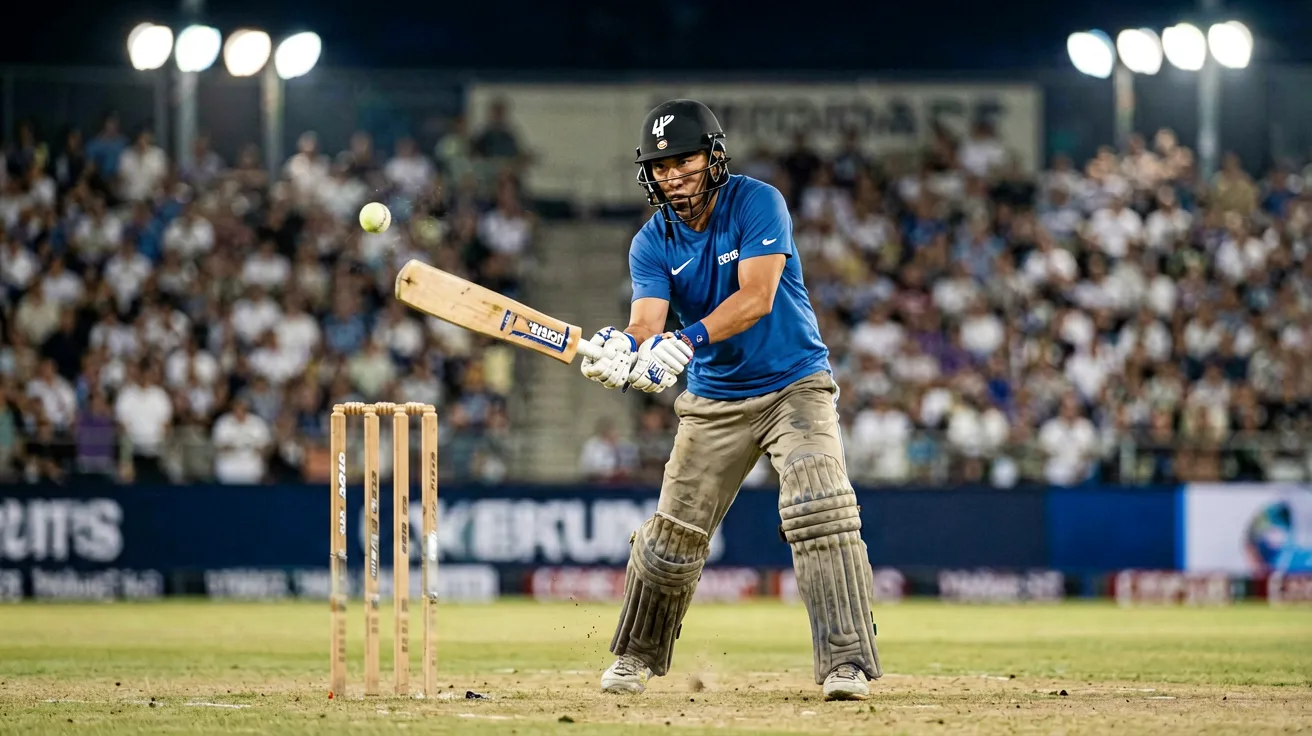
Hollman didn’t just bowl; he attacked. From the very first delivery, he utilized the seam effectively, finding a sharp angle that caught the Middlesex openers off guard. He removed the first wicket in just three overs, inducing a mistimed drive that flew toward the covers. Before the Middlesex middle order could settle their nerves, Hollman struck again. He trapped the second opener LBW, leaving the opposition reeling at a precarious 20 for 2.
This early burst was a significant statement of intent. It proved that his rehabilitation program had been successful and that he retained his ability to extract pace and bounce. His opening spell was a masterclass in controlled aggression, forcing the Middlesex batters into errors before they could find their rhythm.
Middlesex Dig In to Stabilize the Innings
While the early damage was significant, Middlesex refused to let the game slip away. After the initial shock of losing two quick wickets, the batting side adopted a more conservative approach. They shifted from looking for boundaries to prioritizing strike rotation and defending their wickets. This tactical shift was necessary to weather the storm of Hollman’s opening spell and the subsequent pressure from the Lancashire pace attack.
The Middle Order Resistance
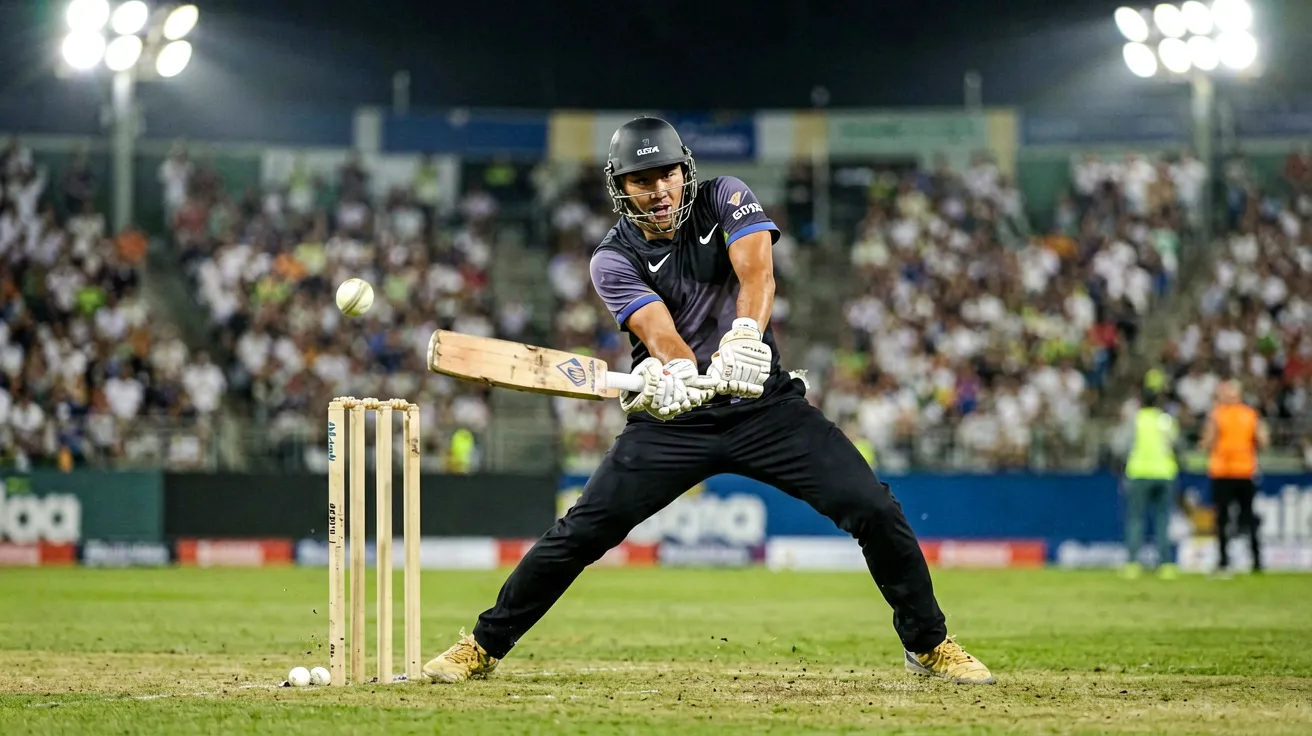
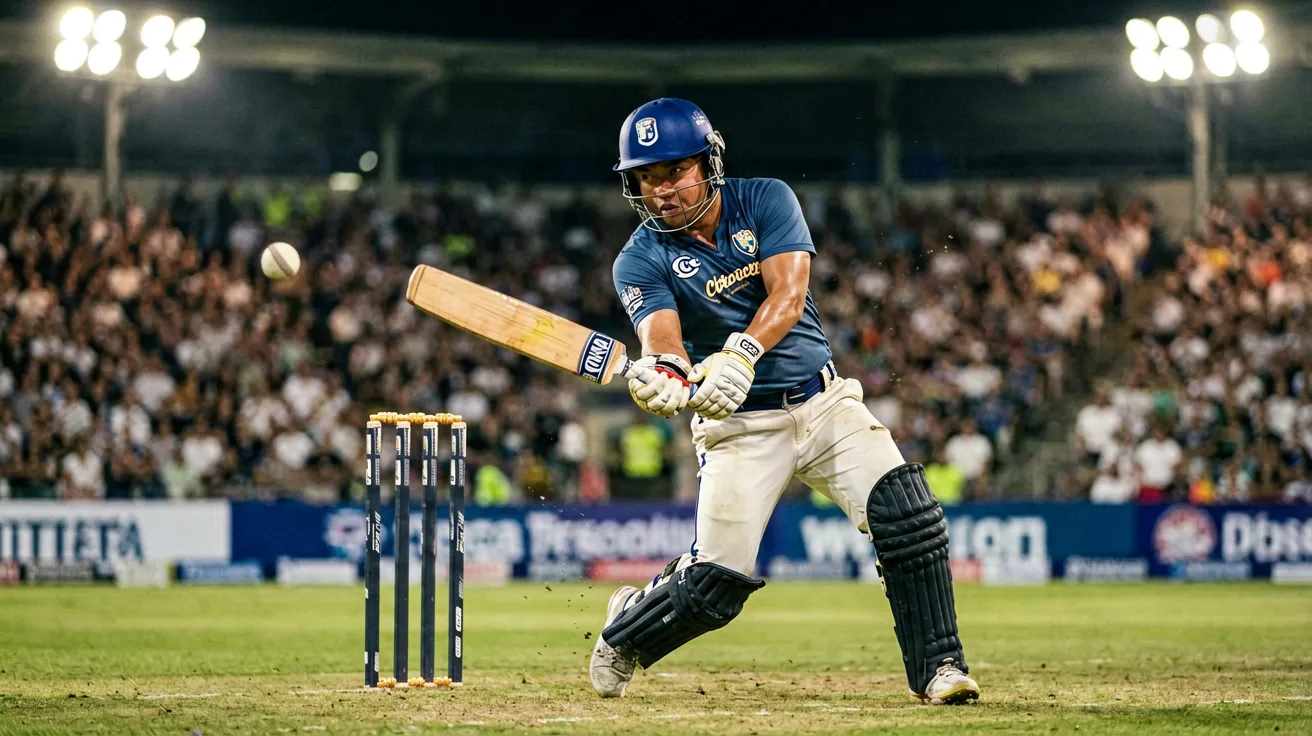
The turning point came when the middle order stepped up. They managed to put on a 78-run partnership that effectively halted Lancashire’s momentum. This period of play saw a lot of running between the wickets and some clever placement of the ball into gaps. The Middlesex captain was seen frequently consulting with his batters, ensuring they didn’t take unnecessary risks against the swing. By the time the third wicket fell, the scoreboard showed a much more manageable situation for the batting side.
To see how the momentum shifted during the first hour of play, look at the following data:
| Phase of Play | Score | Wickets | Key Performer | Bowling Average (Current) |
| Powerplay (Overs 1-6) | 24/2 | 2 | Hollman (2/15) | 7.50 |
| Middle Overs (Overs 7-20) | 118/2 | 0 | Smith (42*) | 12.40 |
| Late Overs (Overs 21-30) | 185/3 | 1 | Jones (38*) | 15.20 |
The data highlights how quickly the game changed. The economy rate for Hollman during the opening phase was remarkably low, putting Middlesex on the defensive. However, the steady accumulation of runs in the middle overs allowed the batting side to reclaim some control.
As the day progressed, the focus shifted back to the bowling. Lancashire will need to find a way to break through this settled middle order, while Middlesex will look to build a total that allows them to dictate the terms of the second innings.ollman’s return has certainly provided a spark, but the match remains a chess game of tactics and endurance.