

TL;DR
- Tom Scriven and Josh Davey shared a gritty 106-run partnership to save the match.
- The draw prevents the defending champions from securing a victory, dropping them to second in the standings.
- The lower order’s resistance shifted the momentum, creating a dramatic shift in the championship race.
Scriven and Davey Stand Tall as Defending Champions Slip
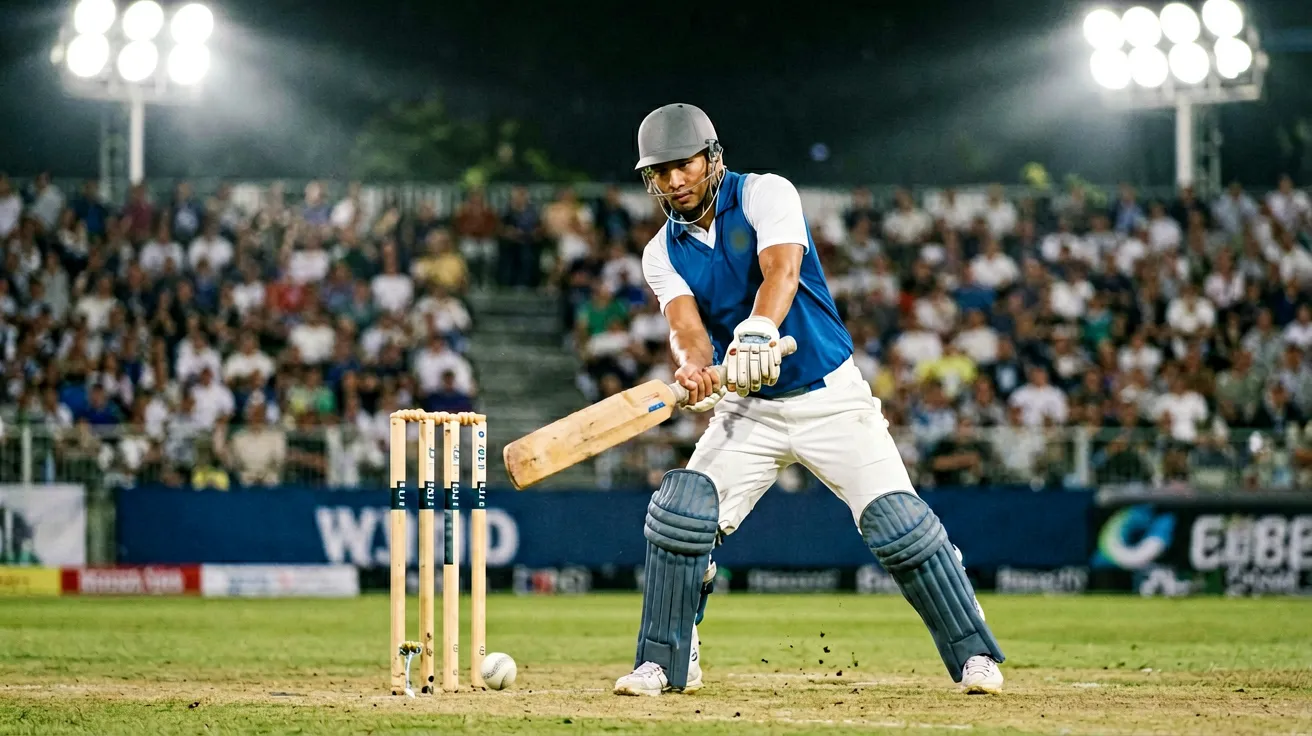
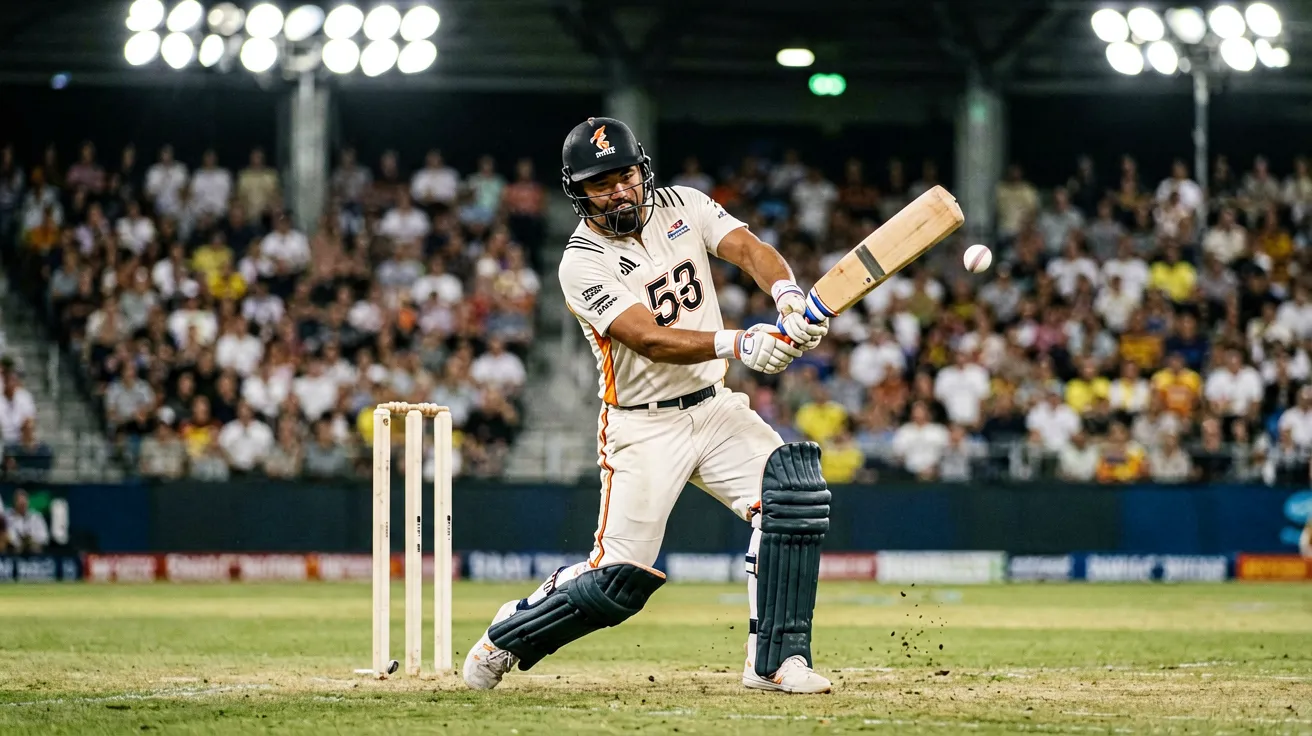
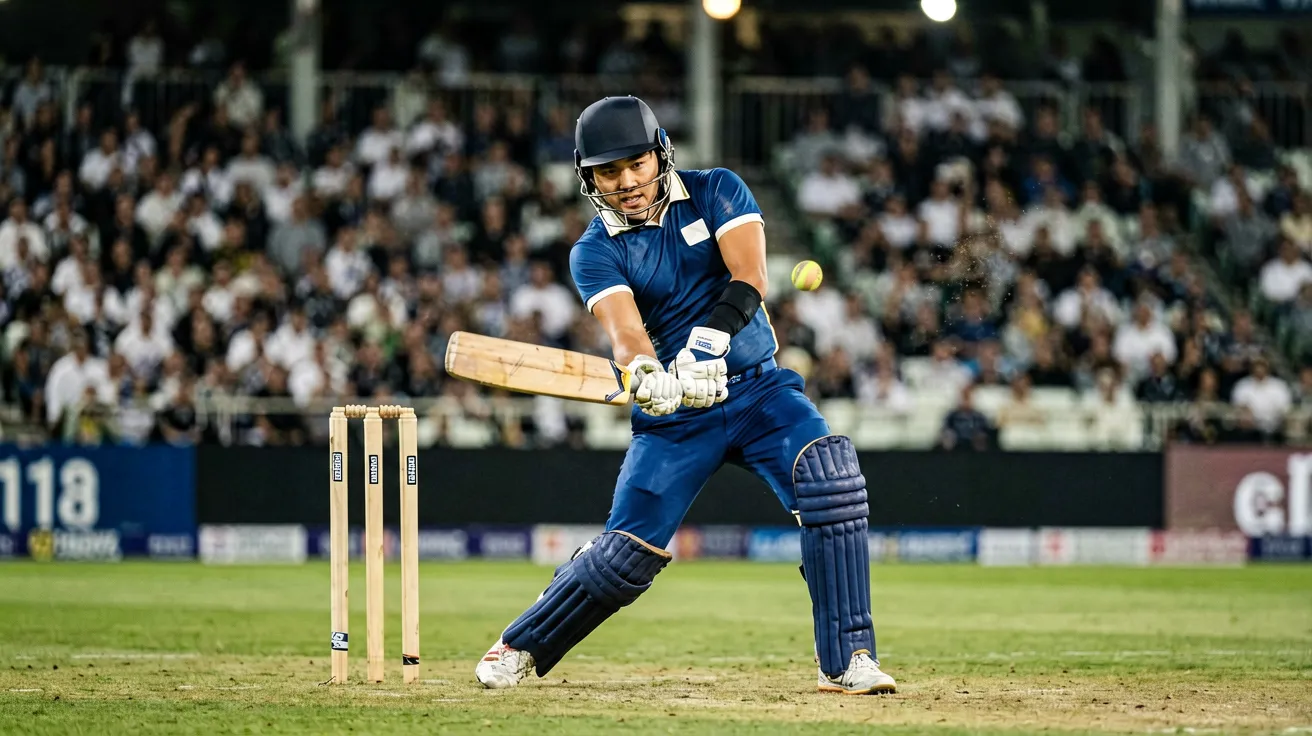
The atmosphere at the ground turned from expectant to tense as the defending champions looked to wrap up a dominant victory. With the match hanging in the balance, the pressure of the impending follow-on loomed large over the batting side. However, a gritty display of defiance from Tom Scriven and Josh Davey ensured that the champions’ hopes of a clinical win vanished into the evening air. Their 106-run stand was not just about accumulation; it was a calculated exercise in survival that fundamentally altered the trajectory of the season’s leaderboard.
The champions had put the opposition on the back foot early, using their pace and swing to dismantle the top order. By the time Scriven and Davey walked out to the middle, the situation looked dire. A quick collapse would have handed the winners a comfortable victory and a massive points haul. Instead, the two cricketers opted for a methodical approach, prioritizing strike rotation and defensive solidity over risky boundary hitting.
The Mechanics of a Rescue Act
Scriven took the lead by occupying the crease with a sense of purpose. He showed great patience against a bowling attack that was looking for any sign of weakness. His ability to leave the ball outside off-stump frustrated the captains, who were desperate to find a breakthrough. Davey, on the other hand, acted as the secondary anchor, finding gaps in the field and keeping the scoreboard ticking.
Their partnership was built on communication. They took the time to discuss the bowlers’ lines and lengths, ensuring that neither fell prey to the same mistake twice. This tactical awareness kept the pressure off and allowed them to weather the storm. By the time the final session arrived, they had put enough runs on the board to ensure the follow-on was avoided, effectively ending the champions’ hopes of a quick result.
| Batter | Runs | Balls | 4s | 6s | Strike Rate |
| Tom Scriven | 44* | 92 | 3 | 0 | 47.8 |
| Josh Davey | 62* | 88 | 7 | 1 | 70.4 |
| Partnership | 106* | 180 | 10 | 1 | 58.8 |
Implications for the Championship Standings
While the draw might seem like a minor result in isolation, the ripple effects on the league table are significant. The defending champions, who were expected to maintain their lead, now find themselves in second place. This shift is a direct result of their inability to capitalize on the early breakthroughs they achieved. In a tight race, these lost points can be the difference between holding the trophy and watching it slip away.
The shift in standings also changes the psychological dynamic of the remaining fixtures. For the champions, this result serves as a wake-up call. They proved they could take wickets, but they failed to close the door on their opponents. For the rest of the field, Scriven and Davey’s performance provides a blueprint for how to fight back when the odds are stacked against them. It sends a clear message that no lead is ever safe until the final ball is bowled.
The fact that the champions dropped to second place suggests that the competition is heating up. Every run Scriven and Davey added was a point stolen from the champions’ tally. As the season reaches its climax, these moments of lower-order resistance will be remembered as the turning points that reshaped the hierarchy of the tournament. The battle for the top spot is now wide open, and the champions will have to find a new gear to reclaim their lost ground.