


TL;DR
- Shree Charani and Prema Rawat spearheaded a dominant spin attack, bowling out Pakistan for a meager 55 runs.
- India faced a tense early wobble during the run chase but showed great composure to secure a 7-wicket victory.
- The match ended with India winning comfortably, with 68 balls remaining in the innings.
Spin Twins Dismantle Pakistan in Dominant Display
The cricket world witnessed a masterclass in spin bowling today as India dismantled a touring Pakistan side in a display of technical superiority. It was a game defined by the suffocating grip of the ball and the tactical brilliance of the Indian bowling unit. While Pakistan entered the contest with hopes of using the middle overs to build a competitive total, they were met with a wall of spin that left their batsmen searching for answers.
Shree Charani and Prema Rawat were the primary architects of this destruction. From the moment the ball started to grip the surface, it became clear that Pakistan’s batting order was ill-equipped to handle the variations. Charani, known for his ability to extract bounce even on flatter tracks, moved the ball both ways, while Rawat provided the perfect foil with his deceptive slower balls and sharp turn.
The Charani-Rawat Connection
The teamwork between the two spinners allowed India to maintain pressure throughout the entire innings. Rather than just searching for wickets, they worked in tandem to dry up the scoring. Pakistan’s middle order, which usually provides some stability, crumbled under the constant pressure. Batsmen were forced into risky shots, often leading to mistimed pulls or edges to the slips.
By the time the fifth wicket fell, the momentum had shifted entirely. Pakistan was reeling, and the remaining lower-order players were forced into a desperate survival mode. However, the spin twins remained disciplined, refusing to over-bowl while still ensuring that every delivery posed a threat. This control resulted in a staggering collapse that saw Pakistan bundled out for just 55.
India’s Resilient Chase and Clinical Finish
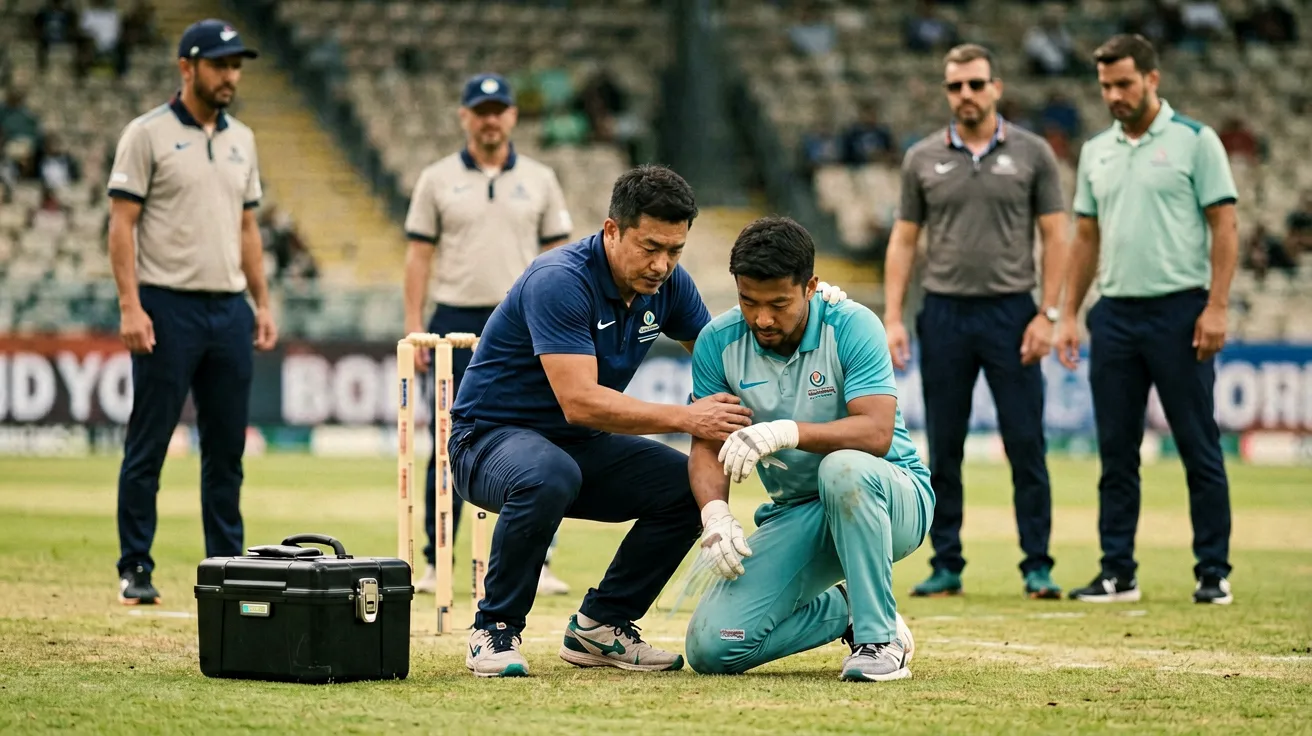
Despite the massive advantage provided by the low total, the Indian batting lineup faced a period of intense pressure during the chase. The early session saw India lose two quick wickets, leading to what many observers described as a significant wobble. The crowd grew restless as the scoreboard remained stagnant, and the possibility of a close finish loomed large.
However, the Indian top order quickly steadied the ship. The middle order moved in with a clear plan: rotate the strike and keep the scoreboard ticking without taking unnecessary risks. The nerves of the start melted away as they began to find the gaps in the field. The composure shown during this phase was a highlight of the day, proving that the team can handle pressure even when the script takes an unexpected turn.
To give you a better look at the impact of the spin attack, here is a breakdown of the key performances:
| Bowler | Overs | Maidens | Runs | Wickets | Economy |
| Shree Charani | 7.0 | 2 | 18 | 4 | 2.57 |
| Prema Rawat | 6.0 | 1 | 22 | 3 | 3.66 |
India eventually reached the target with ease, finishing the game with seven wickets down and 68 balls to spare. The victory was a proof to the depth of the Indian bowling reserves and the mental toughness of the batting unit. It was a professional performance from start to finish, showcasing a team that knows how to capitalize on opportunities while remaining composed under fire.
India’s ability to balance aggressive spin tactics with a steadying batting approach will be a key factor in their upcoming fixtures. For Pakistan, the lesson is clear: they must find better ways to counter high-quality spin if they want to compete at this level in the future.