

TL;DR
- India secures a spot in the T20 Asia Cup final after a dominant win over Bangladesh.
- Shafali Varma and Deepti Sharma were the standout performers on the field.
- Despite poor fielding from both sides, India’s batting depth and bowling control won the day.
Shafali and Deepti Lead India to the Final
The desert heat of Dubai provided a familiar backdrop for the T20 Asia Cup, but the action on the pitch was anything but predictable. India marched into the final, securing their sixth appearance in the tournament’s history. While the scoreboard showed a convincing victory over Bangladesh, the match was a rollercoaster of missed opportunities and high-octane hitting.
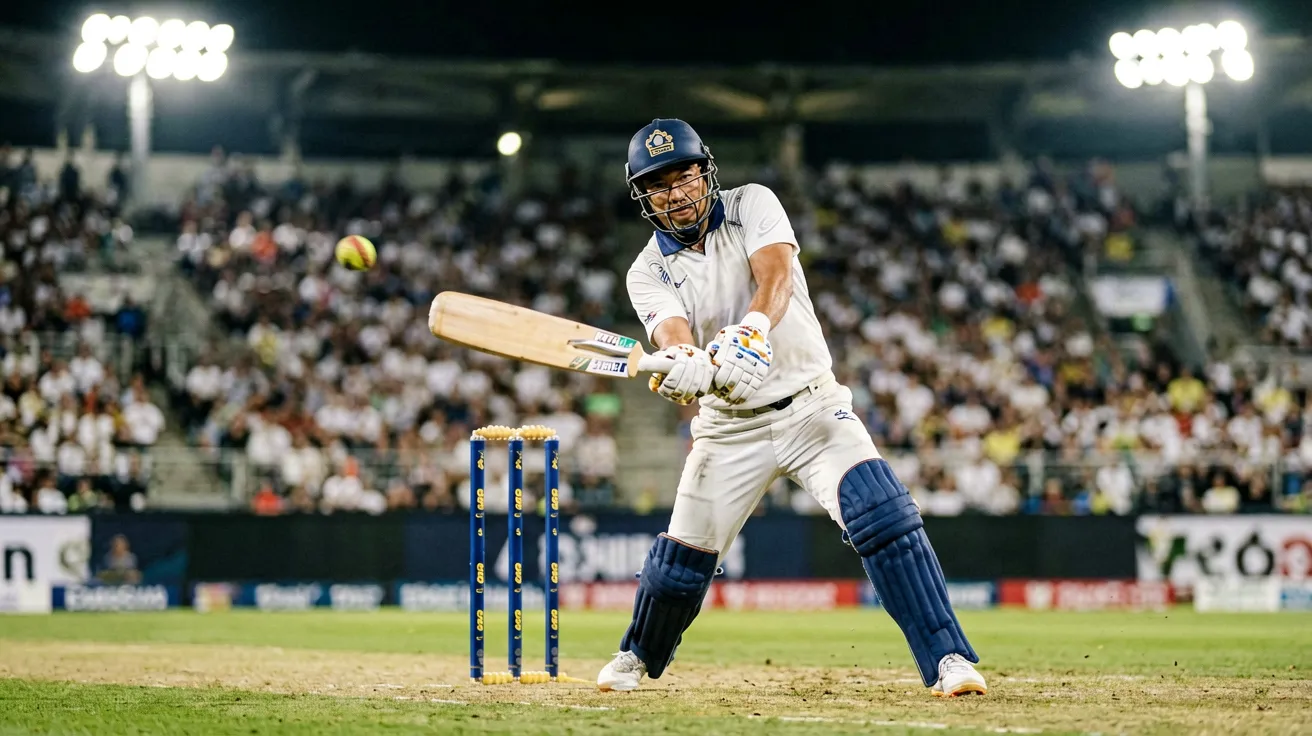
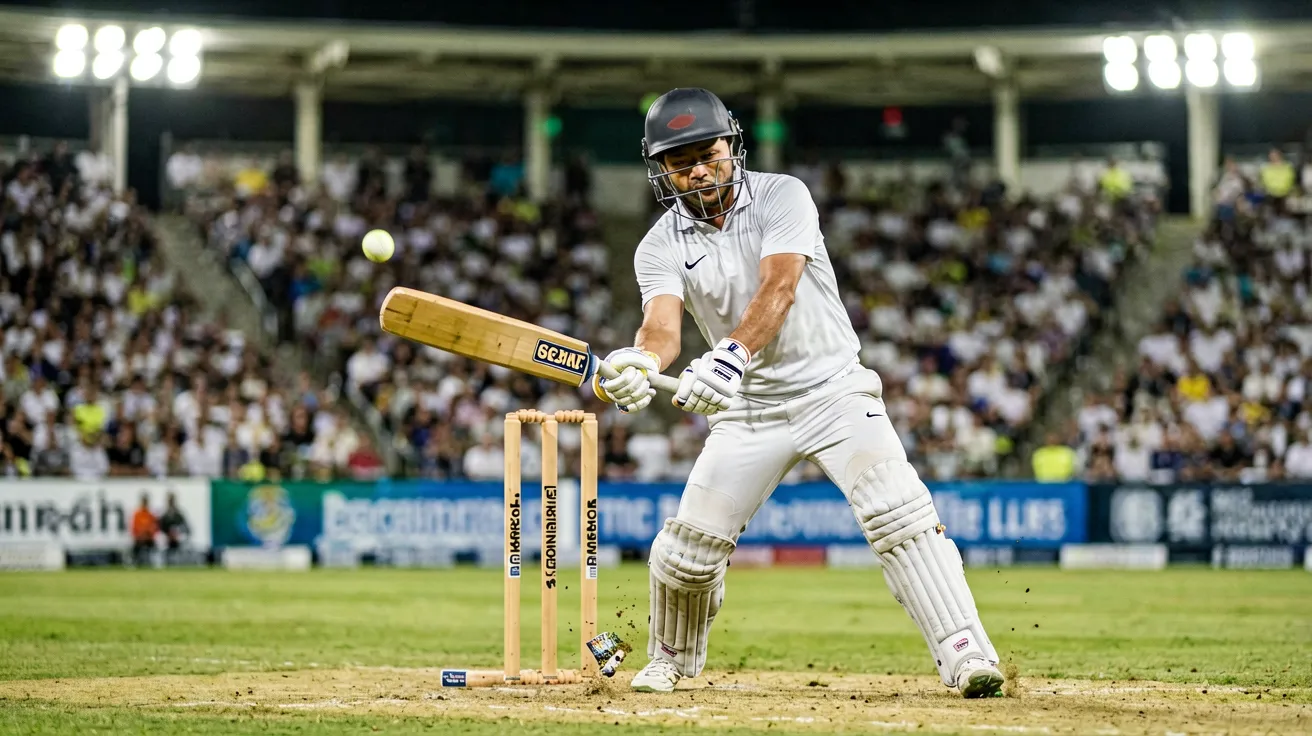
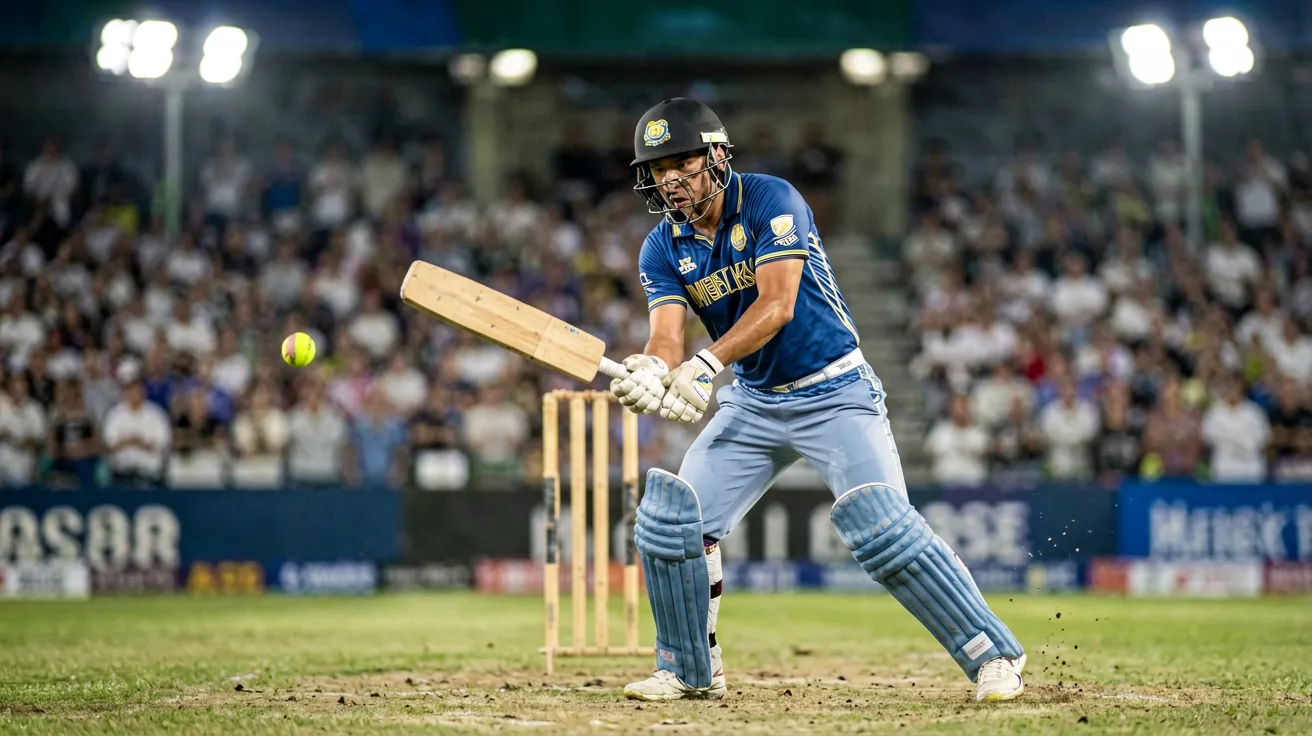
India’s path to the final was paved by the individual brilliance of two of their most reliable assets. Shafali Varma took charge of the innings early on, showing no signs of hesitation against the Bangladeshi opening attack. Her ability to find the boundaries in the powerplay set a target that felt out of reach for the opposition. By the time she was dismissed, she had already put the Indian team in a position of strength, allowing the middle order to play with freedom.
Shafali Varma’s Aggressive Approach
Varma’s knock was a masterclass in aggression. She did not let the Bangladeshi bowlers settle into a rhythm, constantly shifting the pressure. Every time the opposition tried to tighten the screws with slower balls, she responded by finding gaps in the infield. Her strike rate remained high throughout her stint, ensuring that the momentum stayed firmly in Indian hands from the very first over.
Deepti Sharma’s Bowling Masterclass
On the bowling front, Deepti Sharma proved why she is a cornerstone of the Indian white-ball setup. She provided the necessary control during the middle overs, tying down the Bangladeshi middle order. Sharma’s ability to bowl variations and maintain a tight line forced the batters into making mistakes. Her performance was a highlight of the game, as she consistently took wickets at crucial moments, preventing any late-innings surges from the hosts.
Fielding Woes and Tactical Execution
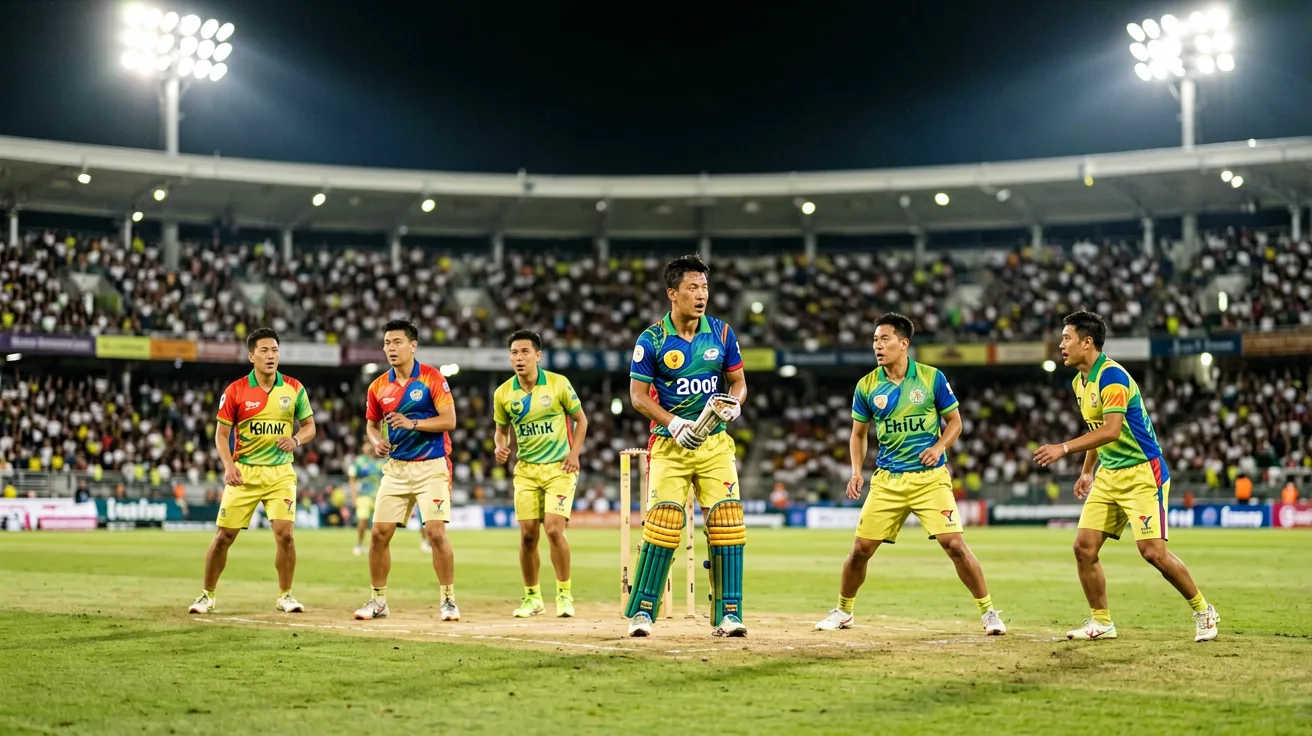
The most glaring issue of the day was the lack of intensity in the field. Both sides looked like they were playing with a heavy weight on their shoulders, resulting in several dropped catches and sluggish reactions at the boundary. It was a disappointing sight for fans expecting a clinical finish. There were moments where the ball sat in the hands of fielders who seemed a second too slow to react, leading to extras that could have been avoided.
Bangladesh also struggled in this department, with several missed run-out chances that could have shifted the momentum of the game. However, India’s superior planning and depth meant that these errors did not derail their overall progress. The team managed to stay ahead of the curve by rotating their bowlers effectively and ensuring that the batting lineup remained intact during the most critical phases of the match.
| Player | Role | Key Performance Stats |
| Shafali Varma | Batter | 42 runs off 28 balls |
| Deepti Sharma | Bowler | 3 wickets for 18 runs |
| Bangladesh Top Scorer | Batter | 31 runs off 15 balls |
India’s victory was a mix of individual brilliance and collective strength. While the fielding lapses were a point of contention, the core objectives of the match were met. The team has shown they can handle the pressure of the Asia Cup, and with the final ahead, the focus now shifts to correcting those minor errors to ensure a trophy finish.