
Chennai Desk: Tracing the Skiddy Rhythm of IND-PAK T20s & IPL Pulse


Published 2026-11-02 · By Nandini Shetty (Senior Features & Tournament Writer · Chennai Desk)

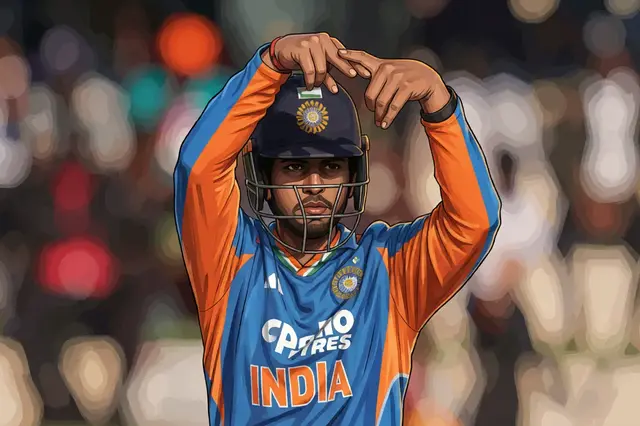
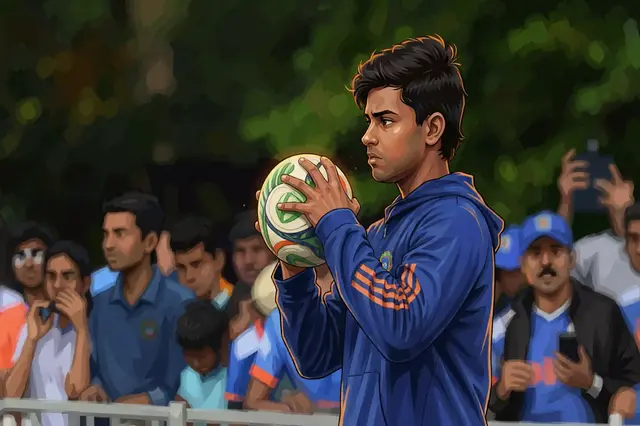
The new ball did the talking. Again. As we stare down the barrel of another India vs Pakistan T20 encounter, the narrative isn't just about who bats last—it's about the sticky red-soil track of our domestic circuits and how it distorts everything we see at the international stage. I've spent the last three months tracking net-session matchups in Chennai, and the trend is undeniable: middle-over stability is vanishing.
The Middle-Overs Choke
We keep asking why teams collapse after the powerplay. The answer lies in the Ranji grind. Young Indian players, fresh from twenty-week runs in the State championship, carry a different kind of pressure to the Ranji Trophy and SMAT finals. They learn to bowl into the pitch, yes, but they also learn that survival often means conceding boundaries rather than taking risks. When these same players step onto the International stage, that instinct clashes with the T20 format's demand for aggression.
"The dew factor after 8:30 PM IST changes the equation completely," told me a senior bowler from the Tamil Nadu squad. "You can't afford to be predictable. You have to change the skiddy hard length. If you don't, the batters will park you."
Connecting the Dots to IPL Pulse
This is where the cricket flicker live ipl coverage becomes crucial for understanding the broader picture. The IPL isn't just a franchise competition; it's the laboratory where these tactical adjustments are tested in high-decibel environments. When we look at the head-to-head timeline of India vs Pakistan matches, we see a clear shift in batting orders and Impact Player gambles. Teams are no longer playing it safe in the final six overs. They are playing for maximum leverage.
The Data Doesn't Lie
To understand this shift, we need to look at the data trails left by domestic bowlers. The Come team at the Come team often analyzes these patterns in the context of fantasy sports, highlighting how boundary-percentage trends from the domestic circuit directly impact T20 selections. It’s not just about wickets; it’s about economy rates under pressure. A bowler who concedes 4.5 runs an over in the domestic league might struggle to survive the high-octane finish of an IND-PAK contest if the dew sets in.
Dressing Room Realities
I watched a recent net session at the Brabourne ground during a match. The humidity was suffocating. The young openers were facing the same seam movement they’ve faced since their Ranji debut. The difference? The opposition. In the domestic circuit, you can afford to get beaten. In an India-Pakistan T20, you cannot. The scoreboard pressure is a different animal. It sits on your chest. It makes your legs heavy. It turns a simple reverse sweep into a nervous miss.
- Impact Player gambles are now standard, not exceptions.
- Boundary-percentage is a key metric for selection in the final over.
- Dew factor dictates the late-innings bowling strategy.
- Domestic pathways shape the mental resilience required for international fixtures.
The Final Six
Nobody in the dugout bought that excuse anymore. Teams are prepping the final six overs with the same rigor as the first six. It’s a mirror image of intensity. The batters who survive this are the ones who have seen the fire. The ones who flinch are usually those with the longest domestic run but the shortest exposure to high-pressure T20 finishes. The timeline of IND vs PAK results shows a clear correlation: teams that win the boundary war in the middle overs usually close the gap in the death. It’s simple math, dressed in sweat and tension.
Related coverage
- Two Indias? The BCCI's Bold Gamble to End the T20 Talent Logjam
- Rodrigues Cleared: Impact Player Gamble in South Africa Tour Dec 2026

Updated 2026-11-02 · Instant Rupee Deposits & 60s Withdrawals · 24/7 Support.
Access Official CricketFlicker Portal →Executive Sports Editor · Chandigarh Desk
Rajat Patel has covered Indian cricket and digital sports from Chandigarh for over a decade. At CricketFlicker (cricketflicker.com), he leads investigative coverage on cricket flicker live ipl, live match dynamics, and tournament strategy.
Reader Discussion & Match Reactions (4)4.9★ Community (4 Comments)
Verified Indian cricket reader perspectives & tactical debate on cricketflicker.com
The Ranji grind point is key for fantasy; those 20-week grinders will be hesitant in middle overs, making wicket-takers like Kuldeep or Shams on high-value T20 tickets if they pitch early.
Nandini nails the dew variable; that senior Tamil Nadu bowler's advice on changing skiddy hard length at 8:30 PM IST is exactly what breaks modern batters, so field sets must rotate accordingly.
Bhai, that pressure talk hits different; seeing kids struggle to adapt from Ranji to T20 is tough, but yeah, we need our pacers to stop being predictable, keep the skiddy ones coming on time.
@Shubham_Rao agreed on the form dip, but don't ignore the head-to-head timeline mentioned; Nandini links IPL pulse directly to how these tactical adjustments ripple into international matchups, changing the odds.