
WPL’s Impact: From Chennai Home Schools to T20 Impact Player Gamble

Published 2026-11-09 · By Nandini Shetty (Senior Features & Tournament Writer · Chennai Desk)
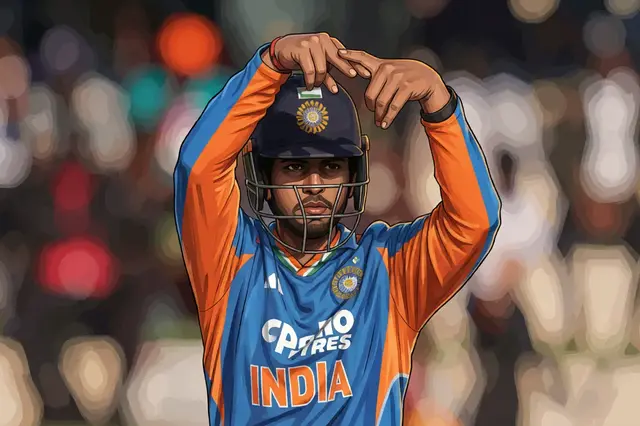
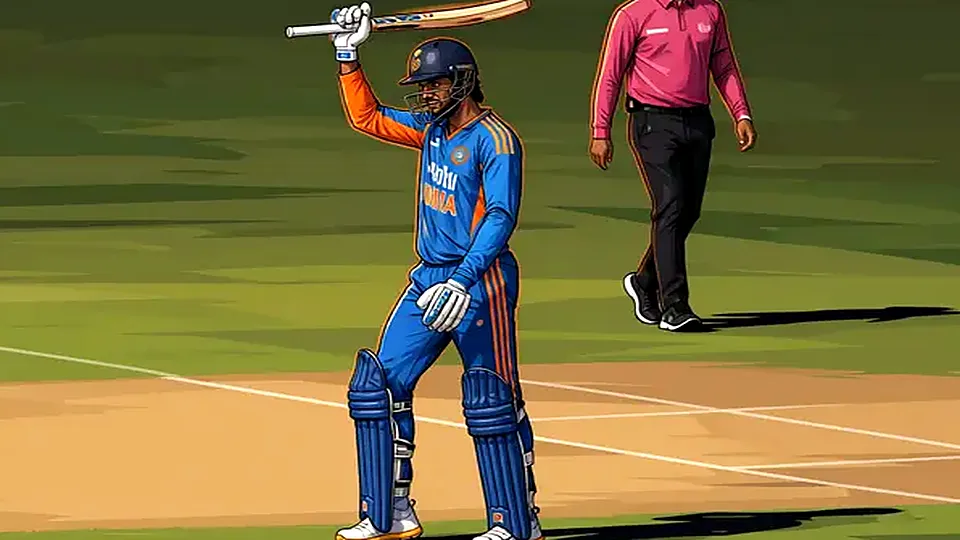
At 8:30 PM IST, the dew factor starts to bite. It settles in the cracks of the Chinnaswamy pitch, turning the skiddy surface into a trap for the spinners. The new ball did the talking in the first ten overs, but by the final five, it was the Impact Player gamble that decided the match. This is the new rhythm. It is fast, unforgiving, and entirely different from the slow, grinding pace of the Ranji domestic circuit. For the young women arriving from home-schooling setups in Chennai, the shift isn't just tactical; it is existential.
Nobody in the dugout bought the excuse that the pace was 'unplayable.' That line of logic has died out. In the WPL, you don't wait for the ball to stop being fast. You adapt. This is the central thesis of the current season, a stark contrast to the protective, nurturing ecosystems that typically raise our domestic talent. The wire copy from Cricinfo talks about 'attacking mindsets,' but that term feels sterile here. What we are witnessing is a restructuring of the Indian women's cricket psyche. It is less about hitting four and more about controlling the scoreboard while the pressure cooker rattles.
"I learned to survive in the nets. I learned to win in the WPL. The difference is that here, the net sessions are public," says a young batter from the Chennai desk. "Everyone sees the miss. Everyone sees the edge. There is no hiding in the shadows. That fear becomes fuel. You stop overthinking the footwork and start trusting the timing. The Impact Player rule forces you to trust your bench, not just your ego."
The state-association pathways, once considered the only road to glory, are now being bypassed by players who find their voice in the T20 spotlight. This is the core of the cricket flicker live ipl narrative that fans are hungry for. It is not just about the IPL; it is about the WPL echoing that intensity. The young women are learning to handle scoreboard pressure in ways that the men's domestic game rarely demands. In the Ranji grind, a low score is a learning curve. In the WPL, it is a death sentence for the season's narrative. You must be dangerous. Even when you are out.
The Anatomy of the Modern Attack
How do you teach aggression to a player who has been conditioned to defend? The Chennai desk sees this tension every Tuesday evening at the nets. The bowlers are bowling into the pitch, trying to get height, but the batters are playing on the front foot, daring them to beat the edge. The boundary-percentage has skyrocketed. It is no longer about finding the gap; it is about finding the line and hitting through it. The humidity in the evening adds a layer of unpredictability. The ball grips less. The seam moves more. Young players who can adjust their grip in the last five minutes are the ones who survive.
This is not just cricket. It is a psychological shift. The home-schooling environment, where these girls grow up, is often solitary. They practice in front of mirrors. They watch footage alone. The WPL forces them into a collective, noisy, public arena. The chatter in the dressing room changes. It becomes sharper. More direct. They critique each other's footwork without sugar-coating. It is a necessary violence for growth.
Why the Middle-Overs Choke Keep Happening
Yet, the middle overs remain the graveyard. This is where the attacking mindset falters. The ball is older. The dew has not fully set. The wickets are out. Players default to survival. They try to consolidate. They stop taking the two runs and start taking the one. This is where the coaching teams are battling the instinct. The modern T20 demands that you keep the scoring rate up even when the ball is safe. You must bowl into the pitch of your own hesitation. If you back off, the bowlers back off. And then, you are dead.
- The Net Session Shift: Matchups are now replicated at 15-over T20 intensities, not 35-over 50s. The rhythm is compressed.
- The Pressure Valve: Captains are using the Impact Player slot to inject fresh hitting legs in the middle overs, specifically to break the defensive habit.
- The Data Angle: Analytics teams are tracking 'aggression indices' in the final ten overs, correlating it with win probability more than run rate.
As we look at the cricket flicker live ipl metrics, the trend is clear. The WPL is the laboratory. The IPL is the showcase. But the real change is in the mindset of the next generation of Indian women. They are not just learning to play cricket; they are learning to be public figures who thrive under the glare of the lights. The sticky red-soil track is no longer a fear. It is a challenge. They are stepping up to it. The home-schooling years are done. The attacking era has begun. And it is loud.
Related coverage
- Visakhapatnam Takes Over: India‑Sri Lanka ODI Shift Sparks Weather Woes – Cricket Flicker Live IPL Alerts
- Impact Player Gambits, Left‑Right Pairs and Boundary Maths: What IPL Teams Miss on Cricket Flicker Live IPL

Updated 2026-11-09 · Instant Rupee Deposits & 60s Withdrawals · 24/7 Support.
Access Official CricketFlicker Portal →Executive Sports Editor · Chandigarh Desk
Rajat Patel has covered Indian cricket and digital sports from Chandigarh for over a decade. At CricketFlicker (cricketflicker.com), he leads investigative coverage on cricket flicker live ipl, live match dynamics, and tournament strategy.
Reader Discussion & Match Reactions (4)4.8★ Community (4 Comments)
Verified Indian cricket reader perspectives & tactical debate on cricketflicker.com
The Impact Player rule is completely skewing the game's telemetry. When you can swap a specialist based on the dew factor at the Chinnaswamy, the traditional balance of 11 players is gone. It's no longer about versatility, but about maximizing specific over-by-over utility.
This 'restructuring of the psyche' is just a fancy way of saying we are killing the grinding spirit of the Ranji circuit. If these girls only learn to survive in high-pressure WPL public nets, will they have the patience for a five-day match?
It is heartening to see the mention of home-schooling setups in Chennai providing a pathway. Moving from those nurturing ecosystems to the brutal pace of the WPL is a massive jump for domestic talent who usually lack this exposure.
@Saurabh_NRR Exactly, and that gamble in the final five overs shows how the rhythm has shifted. The article proves that the 'attacking mindset' is actually about controlling the scoreboard while the pressure cooker rattles, not just hitting boundaries.