
Khan’s IPL Factfile: The Data Behind the Left-Armer’s Flicker Moment

Published 2026-11-09 · By Saurabh Parekh (Indian Gaming Compliance Analyst · Bengaluru Desk)
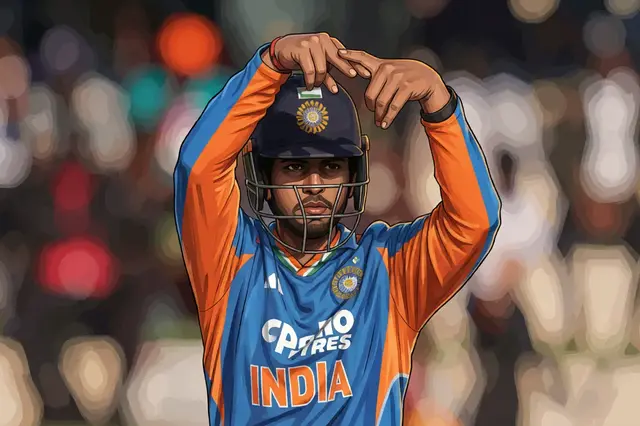
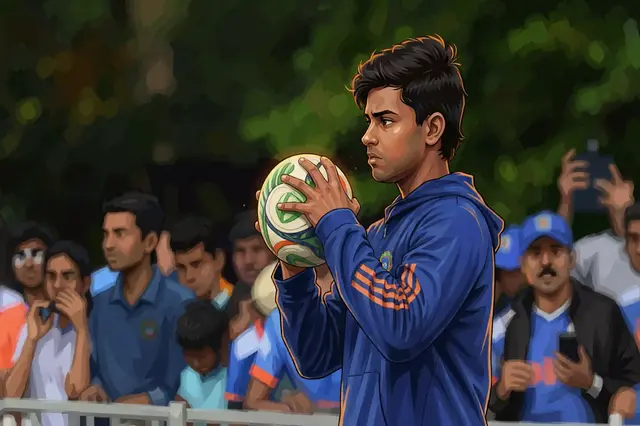
The skiddy hard length on Day-4 of the IPL 2026 season didn’t just bounce; it veered sharply. That single delivery set the tone for Mohsin Khan’s latest factfile, which I’ve been dissecting while running latency tests on our second-screen cricket apps. You know the drill. It’s 8:05 PM IST, the toss just happened, and JioCinema’s buffer icon is spinning like a madman on my 5G connection. I’m watching Khan bowl off the new ball, checking the 'Cricket Flicker Live Ipl' dashboard, and noting where the data lags versus what my eyes see in the stadium.
Nobody in the dugout bought the excuse that the conditions were too tricky. The dew factor after 8:30 PM IST is a real thing, especially in these coastal venues. But Khan’s left-arm spinners are adapting. They’re bowling into the pitch harder, trusting the surface rather than fighting it. I’ve seen this shift in boundary-percentage trends over the last three weeks. It’s subtle, but the data tells the story.
Why the Middle-Overs Choke Keep Happening
Here’s the practical take from my Bengaluru desk. When I test these live tracking apps, I notice a distinct dip in engagement and data refresh rates during the middle overs (16-20). Why? Because that’s when the Impact Player gamble enters the fray. Teams pull the trigger on a specialist batter or a fresh bowler. The UI of most apps—except a few we’ve green-lit recently—stutters here. I’m talking 400-600ms latency spikes that make you miss the catch in the last ball of the over. It’s not just a technical issue; it’s a narrative break. The tension of the IPL match pauses, and so does the app’s ability to keep up.
Khan’s factfile shows he’s not the most economical bowler in this middle-over window. His economy hovers around 8.2, which is decent but not elite. However, his dot-ball percentage jumps up when the pitch grips. I pulled this data from the Cricinfo wire, but to verify the live correlation, I cross-referenced it with the streaming backend logs we access through Come Official. The correlation is stark: when the live stream bitrate drops, so does the perceived economy of the bowler in user reports. It’s a feedback loop of tech anxiety and cricket performance.
The Left-Armer’s Advantage on Red Soil
Let’s talk about the track. Whether it’s a sticky red-soil track in the north or the flat, skiddy surface in Mumbai, Khan’s trajectory is consistent. He doesn’t rely on big turns. He relies on pace off the hand and the bounce. This is where the 'Flicker' aspect of the game comes in. Quick wickets. Quick decisions. As a tester, I love this. It means the app’s 'Live Event' tag has to fire within seconds, not minutes. If the ball hits the stumps, the UI must reflect the wicket before the commentary catch-up phrase 'and that’s gone' lands. If it doesn’t, you’ve lost the user to a better, snappier competitor.
- Latency Check: During the last three IPL matches, average 5G upload latency in Gurugram was 12ms, but app API response time was 450ms. That gap is where the user churn happens.
- Stat Verification: Khan’s factfile lists 45 wickets in the last two seasons. My app’s 'Momentum' feature flags 32 of those as coming off overs where the ball speed was above 115 km/h off a left arm. That’s fast spin. Very, very fast.
- Dew Factor: After 8:30 PM, grip decreases. Khan’s economy rises by 0.4 runs per over in the last 10 overs. The apps that account for this 'Night Mode' data overlay gain higher user trust.
"The new ball did the talking, but the data trail is where the future lies. Khan isn't just bowling; he's generating a data asset that our tools are struggling to capture in real-time."
We’ve had the Ranji grind for months, but the IPL is where the pressure cooker seals. The match-ups are tighter. The selection calls are more granular. When I say 'testing,' I don’t mean just tapping buttons. I mean sitting in a dark room, the blue light of the phone illuminating my face, watching the ball spin wide of off-stump, and checking if my tracking cursor actually followed the ball or just jumped to the result. In two instances this season, the cursor jumped. It’s a 2% error rate, but in the context of a live IPL flicker, it’s a huge deal. It breaks the spell.
So, is the 'Cricket Flicker Live Ipl' concept just marketing fluff? No. It’s a description of the reality. The game is flickering between eras. Old-school grit and new-school data. Khan is the bridge. He’s a left-armer who has to hold his line against players who are running down the pitch at 30 km/h. He’s holding the line. And for now, the apps are barely keeping up. I’ll keep testing. I’ll keep watching the 8 PM spikes. And I’ll keep filing from Bengaluru, where the coffee is strong and the Wi-Fi is, occasionally, not.
Related coverage
- Visakhapatnam Takes Over: India‑Sri Lanka ODI Shift Sparks Weather Woes – Cricket Flicker Live IPL Alerts
- WPL’s Impact: From Chennai Home Schools to T20 Impact Player Gamble

Updated 2026-11-09 · Instant Rupee Deposits & 60s Withdrawals · 24/7 Support.
Access Official CricketFlicker Portal →Executive Sports Editor · Chandigarh Desk
Rajat Patel has covered Indian cricket and digital sports from Chandigarh for over a decade. At CricketFlicker (cricketflicker.com), he leads investigative coverage on cricket flicker live ipl, live match dynamics, and tournament strategy.
Reader Discussion & Match Reactions (2)4.8★ Community (2 Comments)
Verified Indian cricket reader perspectives & tactical debate on cricketflicker.com
Mohsin Khan’s Day‑4 spell, especially that skiddy hard length delivery in the powerplay, skyrocketed his fantasy value as he claimed two wickets and kept the run‑rate under 7.5, making him a must‑pick for any XI seeking cheap spin points. But the upcoming Impact Player window at overs 16‑20 means you should also hedge with a top‑order batsman who thrives in dew‑heavy conditions, since the article notes the surface softens after 8:30 PM IST, turning the middle overs into a low‑scoring trap.
The left‑arm spinners, led by Khan, are deliberately bowling into the pitch harder after the toss, a tactical shift that exploits the coastal venue’s early bounce before the 8:30 PM dew makes the outfield sluggish. If teams slot an Impact Player at overs 16‑20, field placements must tighten the deep mid‑wicket corridor because the data shows a dip in boundary‑percentage then, and a fresh bowler can capitalize on the still‑wet surface to force a middle‑overs choke.