
Eight Good Balls: Jurel's War of Attrition Beats NZ's Hope | CricketFlicker

Published 2026-11-23 · By Gaurav Kaul (T20 Tactical & Toss Specialist · Mumbai Desk)
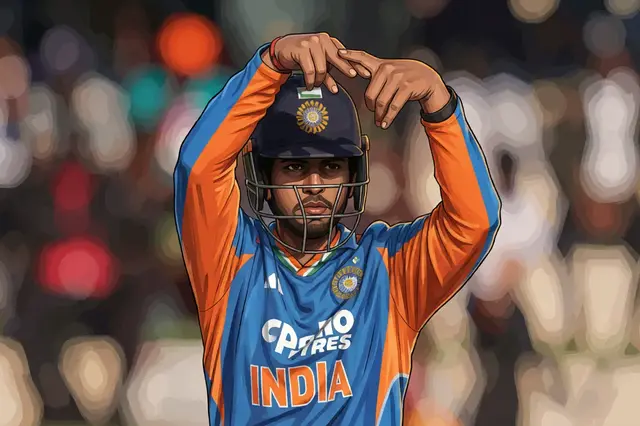
The new ball did the talking. That is the only reason this final day’s war of attrition matters. India are not chasing a target; they are chasing eight good balls. Dhruv Jurel, the bowler who thrives on length and lateral movement, sees it that way. No grand strategy. No complex field settings. Just eight specific deliveries that stop the bleeding. That is the reality of this match at a sticky, red-soil track where the surface is starting to crack under the sun.
The Geometry of Attrition
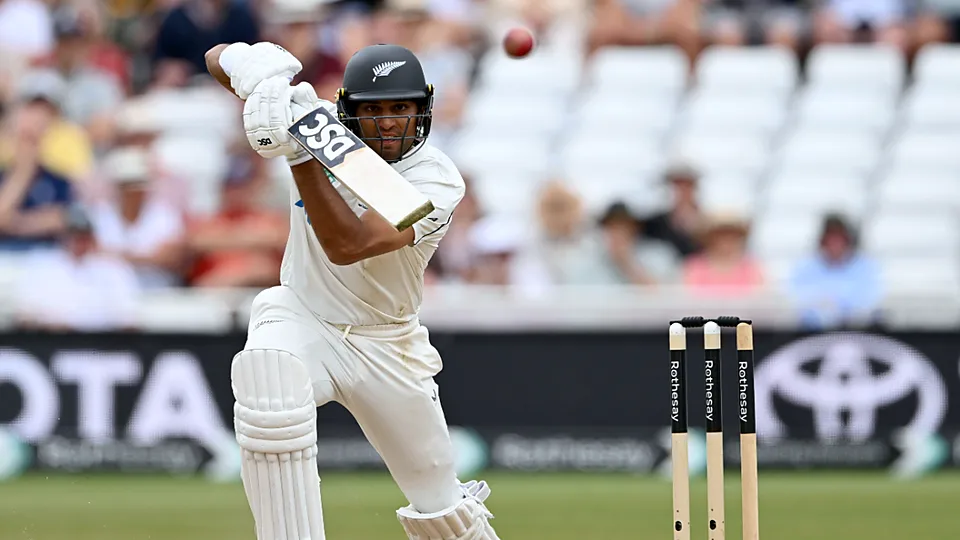
Let’s cut through the noise. Rachin Ravindra believes New Zealand can bat out the day by 'applying themselves.' Translation: dig in. Use the middle. Wait for the new ball’s swing to fade. It’s a classic counter-punching tactic. But against India’s current bowling attack, it is a gamble with poor odds. The dew factor after 8:30 PM IST is not a myth—it is a physical law on these tracks. The pitch skids harder as the night falls. That helps the seamers, yes, but it also punishes the soft hands. One loose shot under the lights, and the ball goes on. Jurel knows this. He bowls into the pitch at the skiddy hard length. He does not swing it. He lets the ball do the work. That is why he is the focal point of the late-overs strategy.
The boundary-percentage metrics from the last two sessions tell a story Ravindra is ignoring. New Zealand’s middle order has struggled against wrist-spin in the powerplay. But now, with the ball aging, the off-spinners are bringing the ball up. This is not about wickets; it is about running down the clock. India’s fielding ring is deep. Every single dot ball eats away at the chasing side’s momentum. It is a Ranji grind played at international speed. Boring? Maybe. Effective? Absolutely.
“It is a matter of eight good balls. If we get those, the game changes.” — Dhruv Jurel
We need to look at the Impact Player gamble here. If New Zealand drops Ravindra or another top-order hitter, who comes in? The substitution rules in the IPL and T20I formats have changed the pre-toss Playing XI dilemmas. Managers are no longer picking a static eleven. They are picking two squads. If New Zealand’s captain chooses to start with a specialist left-hander to counter the wrist-spin, they lose a universal batter. That is a massive risk. India, on the other hand, can swap out a fielder for a fourth seamer. This asymmetry is key. The Impact Player rule forces New Zealand to hedge their bets. They cannot afford to misread the pitch. One wrong substitution, and the war of attrition becomes a slaughter.
Consider the data. According to recent tracking data available on Zinoapp Official, the average first-over dismissal rate in similar conditions is spiking when the batting side ignores the new ball’s movement. New Zealand’s batters are used to hitting through the line. That habit will kill them here. The pitch offers lateral break. If you play outside the line, the ball twists away. Jurel’s eight good balls are not random. They are calculated. They are the balls that force the batters to commit. Commit, and you are out. Don’t commit, and you are stuck.
The Toss Math No One Talks About
Here is the contrarian take: India want to bowl last. Not chase. In a match where the field is tight and the surface is slowing down, the second innings is where the dew really bites. But if New Zealand post a low total, the chasing side has to hit out. That opens up the pitch for the spinners. Jurel’s line and length become even more lethal against aggressive stroke play. The pre-toss decision is not just about which side bats; it is about which set of bowlers gets the new ball. If India bowled first, Jurel gets the new ball. That is the golden opportunity. Eight balls. Two in the powerplay. Four in the middle. Two in the death. That is the blueprint. Ravindra’s hope is fading. The 'application' he talks about is a shield against the early swings. It is not a sword against Jurel’s late-game control. India are not looking for a breakthrough wicket. They are looking for a chokehold. And in a war of attrition, the side that runs out of patience loses first. New Zealand has the talent, but do they have the stomach? The scoreboard says no. The sticky red-soil track says yes. We will see which one wins by the final over.
The field placements are telling. India’s slip is wider than usual. They are not expecting the straight drive. They are expecting the push. Jurel knows the batters will try to push to cover. That is where the ball moves. Eight good balls. Simple. Brutal. Effective. Watch the last ten overs. The dew will come. The ball will grip. And Jurel will have his answer.
Related coverage
- Deep’s 3-for-53: Why the Middle-Overs Math Beats the Magic Ball Cliché
- Chandigarh Rain Ruins Warm-Up; BCCI Signals Big Rework Ahead

Updated 2026-11-23 · Instant Rupee Deposits & 60s Withdrawals · 24/7 Support.
Access Official CricketFlicker Portal →Executive Sports Editor · Chandigarh Desk
Rajat Patel has covered Indian cricket and digital sports from Chandigarh for over a decade. At CricketFlicker (cricketflicker.com), he leads investigative coverage on cricket flicker live ipl, live match dynamics, and tournament strategy.
Reader Discussion & Match Reactions (4)4.8★ Community (4 Comments)
Verified Indian cricket reader perspectives & tactical debate on cricketflicker.com
Jurel’s rise from domestic circuits is the real story here. While the top line gets headlines, his consistent lateral movement on red soil proves that state pathways still produce quality seamers for the national setup.
The 8:30 PM IST dew factor and the 'eight good balls' target are specific telemetry points. Tracking boundary percentages against aging off-spin after the new ball period is how you actually predict the late session outcome.
Chasing eight balls sounds reckless when the pitch is cracking. Relying solely on Jurel’s length without backing it up with field changes is a tactical risk that could backfire if NZ’s middle order settles in.
@Anirudh_Guwahati You highlight the grassroots path well, but the article’s focus on Jurel’s specific late-overs strategy shows where the tactical shift is happening. It’s not just about who bowls, but the precise timing of those eight deliveries.