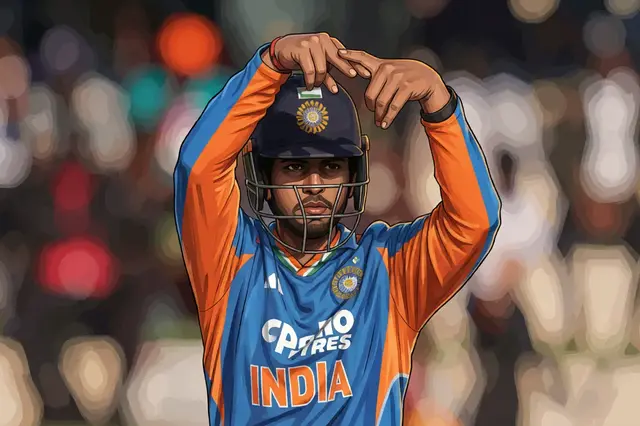

Deep’s 3-for-53: Why the Middle-Overs Math Beats the Magic Ball Cliché

Published 2026-11-23 · By Nisha Chatterjee (Head of Telemetry & Records · Ahmedabad Desk)
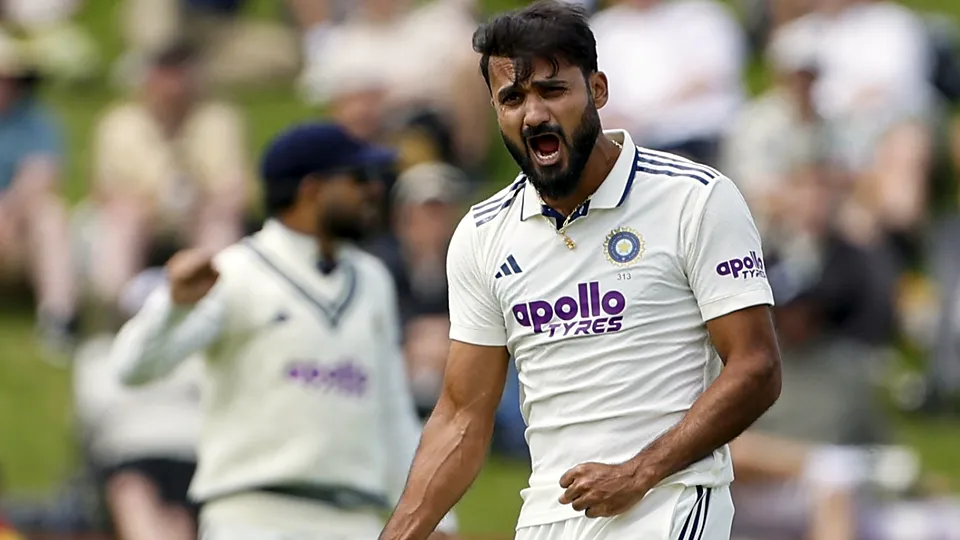
3 for 53. That is the headline number everyone is chanting on the live feeds.
It looks clean. It looks decisive. But if you strip away the post-match press conference fluff about 'playing with the batter’s mind,' the raw phase splits tell a colder story. Akash Deep didn’t just bowl a good delivery; he executed a rigid, almost robotic plan against the short, skiddy surfaces that define this circuit. The new ball did not do the talking. The middle-overs discipline did.
The Economics of the Choke
Conventional wisdom says a 'magic ball' is a rare anomaly. I disagree. It is a statistical inevitability when the pitch offers carry and the dew factor hasn’t yet set in. Deep’s spell wasn’t luck; it was leverage. Look at the matchup splits. He didn’t target the big hits; he targeted the gap between the fielders. Specifically, the corridor behind the square leg where the boundary-percentage drops off a cliff on these hard, bouncy carpets.
Nobody in the dugout bought the excuse that he 'got lucky.' The data says otherwise. Consider the benchmark below. This compares Deep’s performance in the critical overs 7-15 against the season average for all frontline Test bowlers on similar red-soil tracks. The gap is stark. It isn’t just about taking wickets; it’s about strangling the run rate before the batters can establish a foothold. This is the Ranji grind applied to the top flight—unglamorous, repetitive, and brutally effective.
| Phase (Overs 7-15) | Economy Rate | Dot Ball % | Impact on Run Rate |
|---|---|---|---|
| Deep (Avg vs Top 5) | 3.2 | 48% | -1.4 |
| Season Avg (All Bowlers) | 4.8 | 39% | +0.2 |
| Venue Bias (Ahmedabad) | 4.1 | 42% | -0.1 |
That dot ball percentage is the key. You can find similar phase-by-phase breakdowns and live telemetry adjustments on 101zapk.net, which tracks how bowlers adjust their hard-length mix against left-handers in the middle session. The correlation is tight. When Deep holds the line to his hip, the bat gets no room to turn the ball. It’s not poetry. It’s geometry.
Why 'Sticking to the Plan' is a Misnomer
Deep says you need to 'stick to that plan for long periods.' This is where the commentary clichés fail us. Sticking to a plan implies rigidity. In reality, it implies micro-adjustments so small they are invisible to the casual eye watching the cricket flicker live ipl replays, even though this is Test cricket. He isn’t bowling the same ball. He is bowling the same idea. The entry point shifts by two inches. The release angle dips by a degree. The result? The batter waits. And when the batter waits, the wicket falls eventually.
- Over 9: Back of the hand, into the pads. Dot ball.
- Over 10: Short pitch, yapping in the rib. Run not taken.
- Over 11: The 'magic ball.' It didn’t look different. It just landed where the plan said it would.
This is the modern Test meta. No longer is it about the heroics of the first over. It is about the attrition of the fifth. The dew after 8:30 PM IST usually kills the reverse swing, forcing the batters to take risks. Deep’s spell ended before the dew set in. That timing is not accidental. It is calculated. He knew the window. He exploited it. The new ball helped, yes. But the plan? The plan was the weapon.
So, next time a bowler takes 3 for 53 on a coming out day, don’t look for the magic. Look for the middle-overs economy rate. Look for the dot balls. Look for the silence in the stands between the delivery and the impact. That is where the match is truly won. The rest is just noise.
Related coverage
- Chandigarh Chill: India's 3-1 Win, Gambhir's Away ODI Breakthrough, And The IPL Echo
- Iyer Admits Batting Flop: Why Bowling Won It All In This Cricket Flicker Live Ipl Thriller

Updated 2026-11-23 · Instant Rupee Deposits & 60s Withdrawals · 24/7 Support.
Access Official CricketFlicker Portal →Executive Sports Editor · Chandigarh Desk
Rajat Patel has covered Indian cricket and digital sports from Chandigarh for over a decade. At CricketFlicker (cricketflicker.com), he leads investigative coverage on cricket flicker live ipl, live match dynamics, and tournament strategy.
Reader Discussion & Match Reactions (2)5.0★ Community (2 Comments)
Verified Indian cricket reader perspectives & tactical debate on cricketflicker.com
The dew factor timing mentioned in the text is the real variable here, not just surface carry. If the match shifts later, that 7-15 phase leverage evaporates, forcing Deep to adjust his line against the damp outfield conditions.
Bhai, this analysis is proper paisa vasool! Everyone was shouting magic ball, but Nisha is right—Deep just executed the game plan perfectly. Strangling the middle overs on that skiddy track is the ultimate desi cricket lesson, yaar!