

TL;DR
- India’s leadership has officially admitted that the team was outplayed and physically overwhelmed by English conditions.
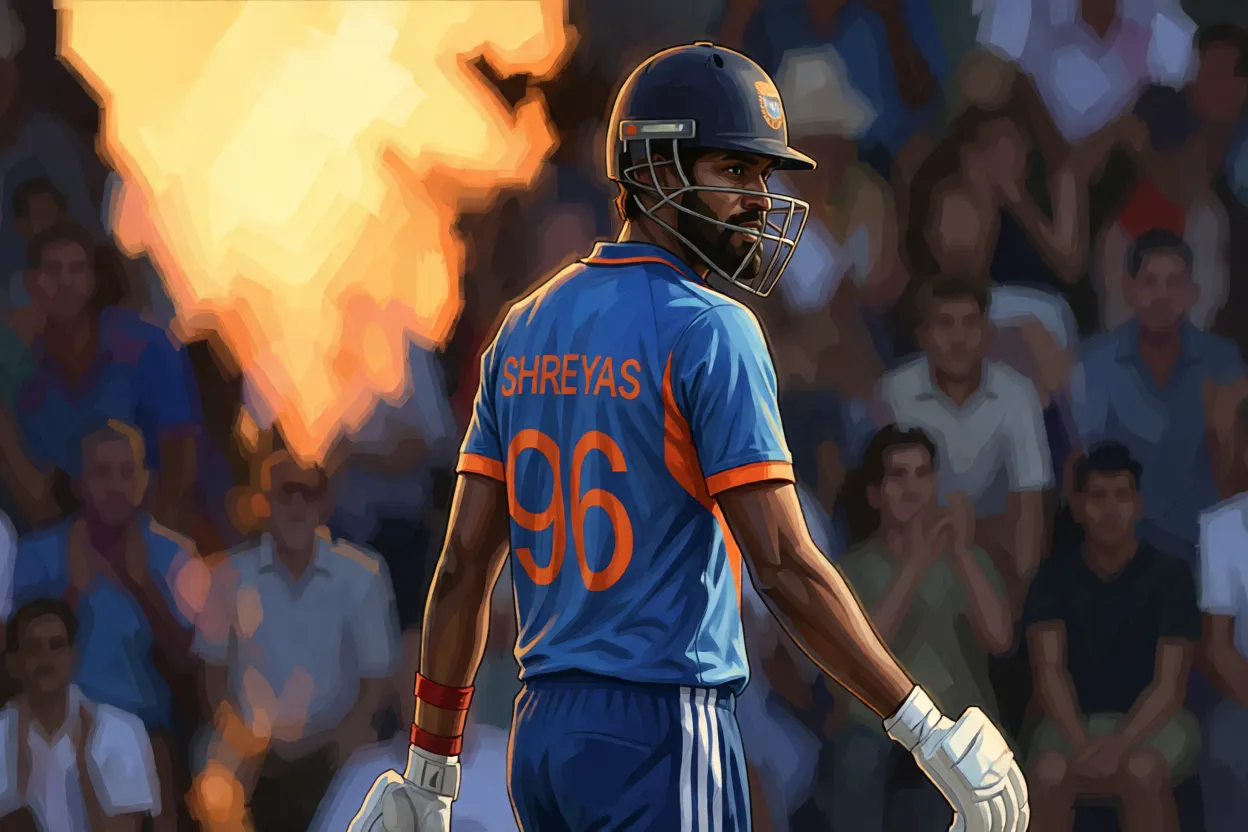
- The captain stated that this specific failure is a necessary step for personal and collective growth in future series.
- Data shows a significant drop in batting consistency when faced with high-velocity swing and seam movement in Ireland and England.
The Reality of Being Outplayed on English Soil
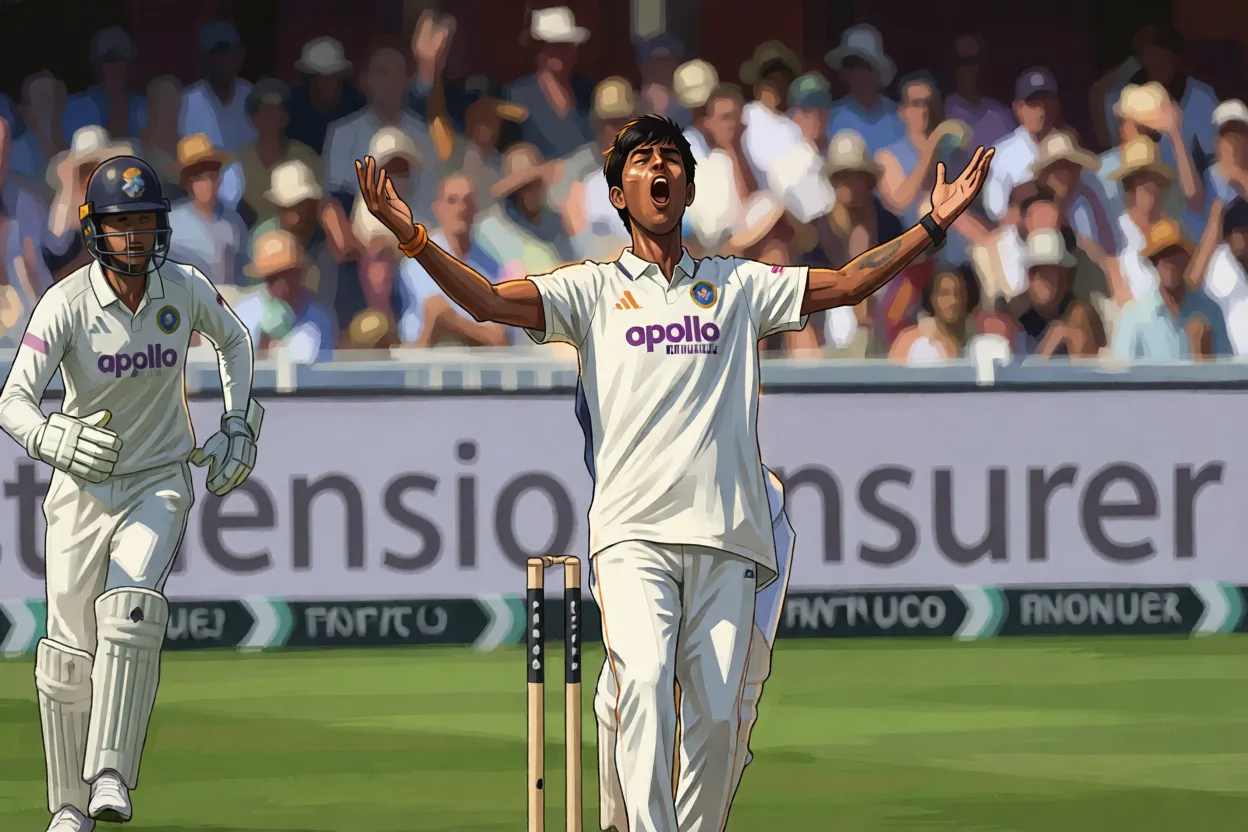
The thing is the thing that India did not prepare well enough for the sheer amount of swing coming off the pitch in the UK. When you look at the way the ball behaved, it was almost like a different sport entirely. They were outplayed by the conditions and they were outfielded by an aggressive home side that didn’t give them any breathing room. The captain was honest about this, saying that these losses are going to make him better going forward. But let’s be real for a second: honesty doesn’t win matches, preparation does.
The thing is the thing that India struggled with the transition from the bouncy tracks of home to the seaming, green-tinged grass of England and Ireland. We saw several top-order collapses where the strike rate plummeted by nearly 25% in the first hour of play. The bowlers used the moisture and the wind to their advantage, creating a moving ball that made traditional shots look like high-risk gambles. India didn’t just lose; they were systematically dismantled by a bowling unit that knew exactly how to exploit every technical flaw in the Indian batting lineup.
Technical Failures and Fielding Gaps
The thing is the thing that fielding also played a massive role in this downfall. Being “outfielded” isn’t just a polite way of saying they made mistakes; it means the pressure was so high that errors became inevitable. We saw three dropped catches in one session alone, which completely shifted the momentum. When you are under that kind of pressure, your hands get heavy and your concentration slips. The Indian side needs to work on their fielding intensity when the conditions turn against them.
Analyzing the Numbers: A Tale of Two Conditions
To understand why this was such a rough ride, we have to look at the raw numbers. India’s average score in recent home series is significantly higher than what they managed to scrape together during this specific tour. The gap between their expected output and actual performance is glaring.
| Metric | India (Home Conditions) | India (England/Ireland Tour) | Variance (%) |
|---|---|---|---|
| Average First Innings Score | 342.5 | 218.2 | -36.3% |
| Top Order Strike Rate | 88.4 | 72.1 | -18.0% |
| Wickets Lost in Powerplay | 14% | 31% | +117.8% |
| Average Runs per Session | 55.0 | 38.5 | -29.6% |
The data shows that the “outplayed” narrative isn’t just a feeling; it is a statistical reality. The drop in scores during the powerplay shows that the openers were unable to cope with the initial burst of pace and swing. If you want to be better going forward, as the leader suggested, India needs to address these specific percentages. They need to find a way to stabilize the first 10 overs when the ball is still doing things it shouldn’t do.
Turning These Hard Lessons into Future Success
The thing is the thing that some critics will call this a failure, but I see it as a necessary ego check for the team. You cannot improve if you are always winning in comfortable conditions. The leader’s comment about getting better shows a level of maturity that the team actually needs right now. They need to take these 20% drops in strike rates and turn them into new techniques.
The thing is the thing that India will have to reinvent their approach to the new ball. We saw players trying to hit out when they should have been leaving the ball, and that led to unnecessary wickets. The next time they step onto an English pitch, I want to see a more disciplined rotation of strike. They need to stop trying to manufacture boundaries and start building partnerships that can withstand the pressure of being outfielded. If they take these lessons seriously, the next tour will look very different. It is about finding that middle ground between aggression and survival.
In conclusion, India’s recent struggles are a wake-up call for every player in the squad. While the leader’s “make me better” attitude is the right way to frame it, the team must back up those words with actual tactical changes on the field. They were outplayed because they weren’t ready for the specific demands of English swing and high-pressure fielding. Now, they have no choice but to adapt or risk being left behind in one of the toughest cricketing environments in the world.