

TL;DR
- Pakistan has announced a massive overhaul of their playing squad, signaling a clear shift in the current cricketing philosophy.
- Muneeba Ali has been handed a significant leadership role as the team looks to modernize its approach on the field.
- The board has officially dropped Riaz, Javed, and Baig, while making room for eight new additions to the tour roster.
A Bold Gamble: Muneeba Ali Takes the Reins in Pakistan’s Squad Refresh
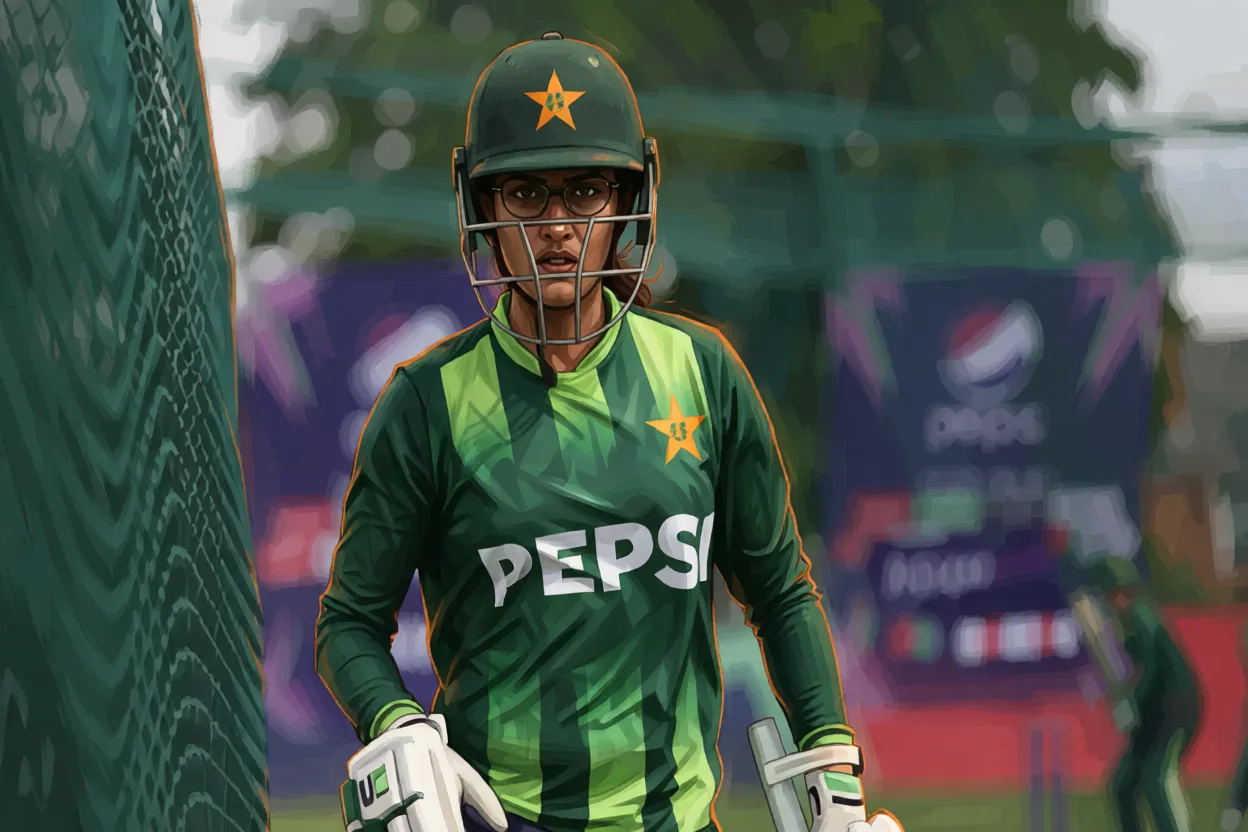
The Pakistan Cricket Board (PCB) isn’t just shaking things up; they are tearing down the old structure to build something entirely different. The recent announcement that Muneeba Ali will take on a leading role is one of the most fascinating developments in domestic and international cricket this season. It marks a departure from the traditional hierarchy we have seen for years. By putting Muneeba at the forefront, the selectors are making a loud statement about who they believe owns the future of the sport in Pakistan.
This isn’t just a minor squad tweak. The decision to drop three established names—Riaz, Javed, and Baig—simultaneously is a move that sends shockwaves through the dressing room. These players were seen as constants, fixtures in the lineup who provided some level of predictability. However, predictability hasn’t translated into wins lately. For the PCB, it seems the status quo has become a burden rather than a safety net. They are trading experience for potential, and that is a high-risk strategy that could either revolutionize their results or leave them exposed against top-tier opposition.
The Rationale Behind the Shake-up
The decision to bring in eight new players for the upcoming tour suggests a desperate need for fresh blood. When a team calls up nearly half of its expected rotation pool, it indicates a lack of faith in the current reserve list. The selectors are clearly looking for specific attributes: higher strike rates, more aggressive bowling spells, and a willingness to take risks that the older guard might shy away from.
Moving on from the Old Guard
Riaz, Javed, and Baig have served their time, but their recent form figures weren’t moving the needle in the right direction. In modern cricket, “good enough” is no longer sufficient to secure a spot in a competitive lineup. If your average is hovering in the mid-20s or your economy rate is climbing during the middle overs, you become a liability. By clearing out these three names, Pakistan is attempting to remove any lingering “seniority” vibes that might stifle the creativity of the younger players.
Injecting Youthful Energy
The eight new additions represent a massive influx of raw talent. These players have been training in high-intensity environments and are hungry for their first taste of international spotlight. The goal here is simple: find a spark. Pakistan needs to play with more urgency, and a squad filled with rookies who have everything to prove is the fastest way to generate that atmosphere. Muneeba Ali sits at the center of this plan because she possesses the rare ability to balance composure with an attacking mindset.
Analyzing the Shift in Performance Metrics
To understand why this shift is happening, we have to look at the numbers. Muneeba has shown a steady upward trajectory in her recent outings, proving she can handle the pressure of high-stakes scenarios. In contrast, the players being dropped have struggled to maintain consistency over long series.
| Player | Recent Avg (ODI/T20) | Strike Rate | Role | Status |
|---|---|---|---|---|
| Muneeba Ali | 38.45 | 132.10 | Middle Order | Leading Role |
| Riaz | 22.10 | 98.50 | All-Rounder | Dropped |
| Javed | 18.75 | 104.20 | Top Order | Dropped |
| Baig | 26.30 | 110.15 | Spinner | Dropped |
The data shows a clear trend. Muneeba’s strike rate is significantly higher than those of the players being sidelined, which aligns perfectly with the PCB’s new direction. They want runs coming quickly and they want them to come from stable anchors who can also rotate the strike effectively.
This move puts an immense amount of weight on Muneeba’s shoulders. Leading a squad with so many new faces is no small feat; she has to establish authority while also nurturing players who are still finding their feet. If she can manage this transition smoothly, Pakistan might see a resurgence in form that we haven’t witnessed in several years. It is a risky move, but in the current state of the game, standing still is the only way to fall behind. The fans will be watching closely to see if this gamble pays off or if it leaves the team looking disorganized on the big stage.