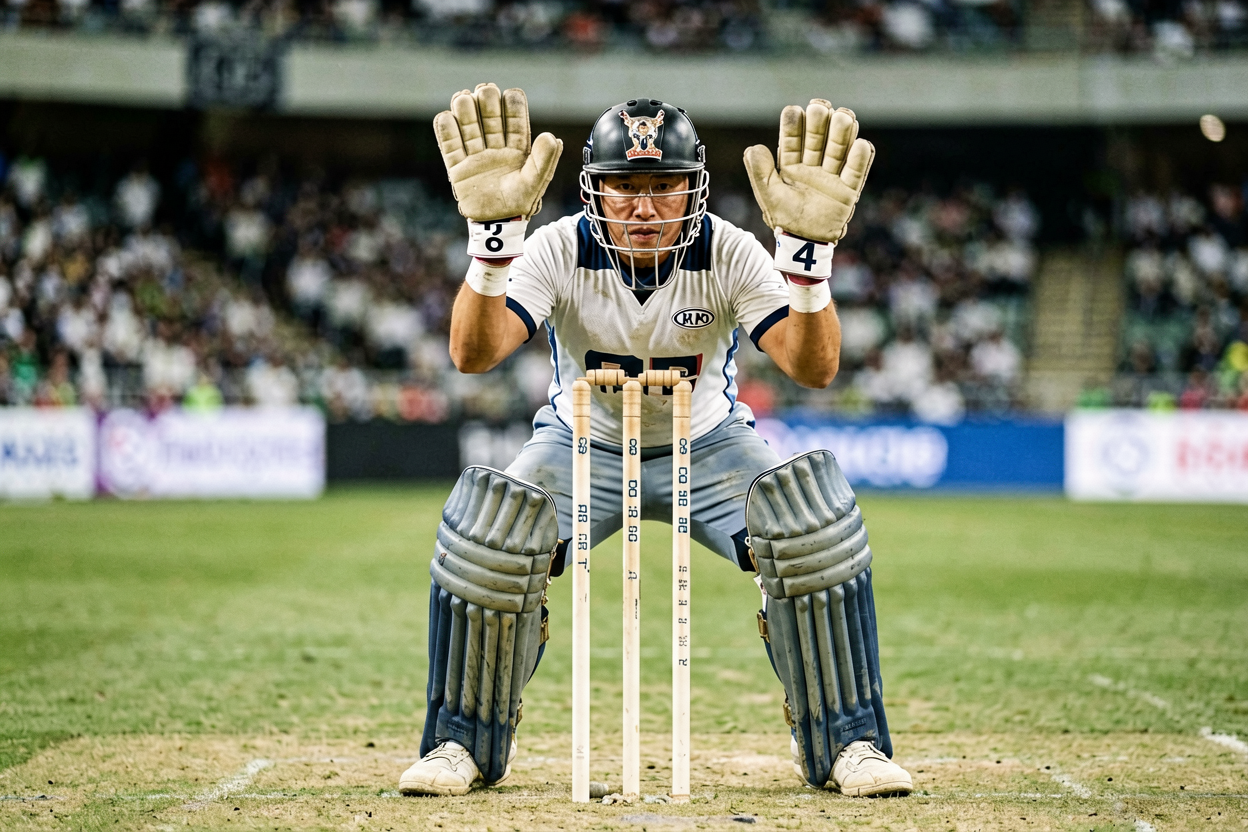


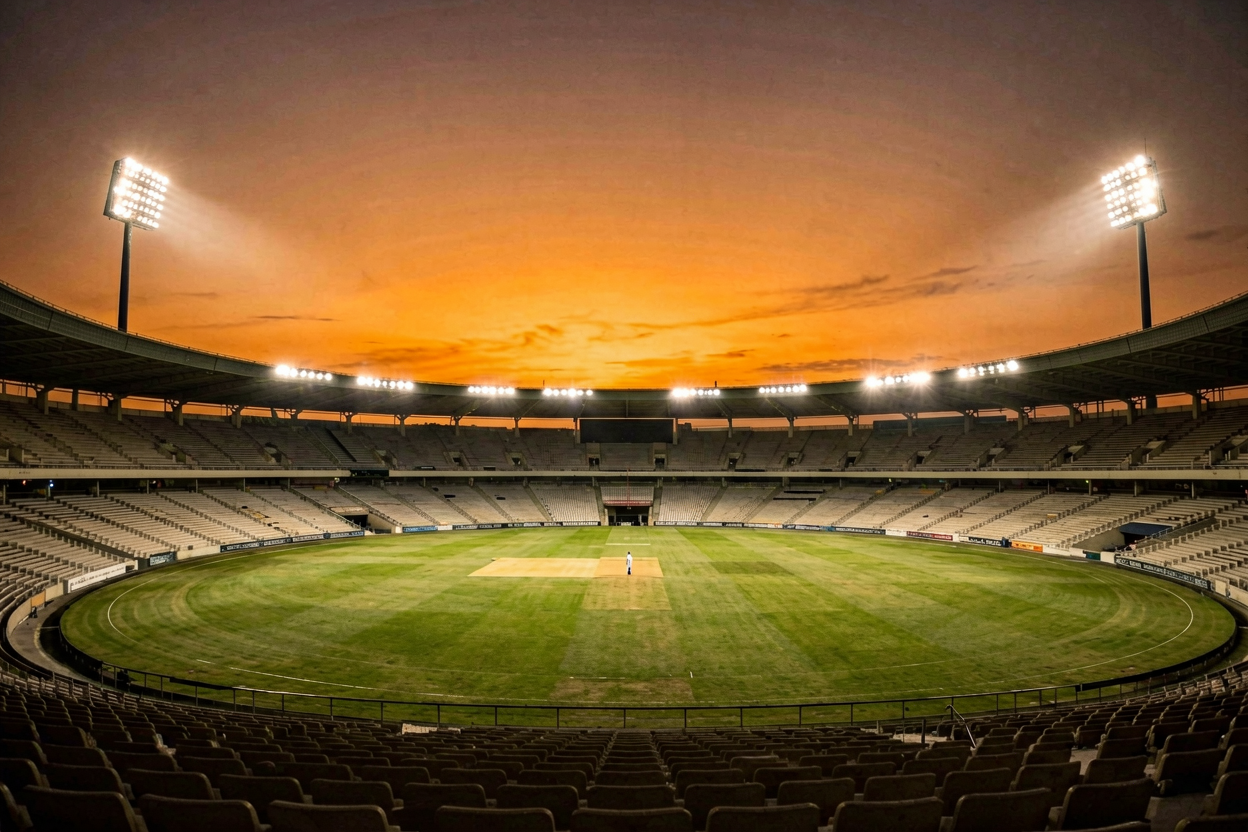
Adelaide is the ground that hosts the day-night Test every December, and the day-night Test at Adelaide is the Test that is decided in the twilight, and the twilight is the hour and a half between the end of the day and the start of the night, and the hour and a half is the hour and a half that the pink ball does the things that the red ball does not do, and the things that the pink ball does are the things that win and lose day-night Tests.
The Twilight, Ball By Ball
India were two down at tea, on the second day, with Rahul and Gill at the crease, and the tea was the tea that both batters had come back from with the look of batters who knew what was coming. The twilight comes after tea. The twilight comes with the lights on and the sun not yet down, and the combination of the lights and the sun is the combination that the pink ball reacts to, and the reaction is the reaction that the batters cannot see, because the ball does, in the twilight, things that it does not do in the day or in the night, and the things it does are the things that happen in the air and off the pitch, and the things that happen in the air and off the pitch are the things that get batters out.
Rahul was the first. He was beaten by a Cummins ball that swung in the air and nipped off the pitch, and the swing and the nip were the swing and the nip of the twilight, and the bat came down late, and the edge carried, and the edge was the edge that the twilight gets. Gill was the second, two balls later, to a Starc ball that did the same thing from the other end, and the two wickets, in five balls, were the wickets that the twilight gets, and the wickets that the twilight gets are the wickets that the day-night Test turns on.
Why The Twilight Is The Session That Decides It
The twilight is the session that decides it because the twilight is the session that the pink ball is most alive in. The pink ball is, in the day, a ball that behaves like a red ball, and in the night, a ball that behaves like a red ball under lights, and in the twilight, a ball that behaves like no other ball in any other condition. The twilight is the hour and a half in which the lacquer on the ball is still hard and the lacquer is the thing that makes the ball swing, and the lights are on and the sun is not yet down and the contrast is the thing that makes the ball hard to pick up, and the ball is doing in the air and off the pitch and the batters cannot see it doing.
India lost six wickets for thirty-one runs in the twilight. The six wickets were the wickets of Rahul, Gill, Iyer, Pant, Jadeja, and Ashwin. The six wickets were taken by Cummins, Starc, and Hazlewood, who bowled, in the twilight, the best they have bowled in the format, and who bowled, in the twilight, the lengths that the twilight demands, which are the lengths that are fuller than the lengths of the day and the night, and the fuller lengths are the lengths that get the swing and the nip, and the swing and the nip are the things that get the edges, and the edges were the things that the twilight got.
What India Take From It
India take from it the knowledge that the twilight is the session that they have to win, and the session that they have to win is the session that they have, in the last two day-night Tests at Adelaide, lost, and the losing of the session is the losing of the match, and the losing of the match is the thing that the team has to fix, and the fixing of it is not a thing that the batters can do alone. The batters can leave the ball, and the batters can play the ball late, and the batters can do the things that the twilight demands, and the twilight demands the things that the twilight has always demanded, and the things that the twilight has always demanded are the things that the batters have to do, and the batters have to do them in the hour and a half that the twilight gives them, and the hour and a half is the hour and a half that the day-night Test is won and lost in, and the day-night Test at Adelaide is, and has always been, won and lost in the twilight.