

Women’s cricket shortchanged again as men’s Test binfire sucks up the oxygen
TL;DR
- The ECB is actively prioritizing men’s Test cricket drama over the steady, organic growth of the women’s game.
- High-profile failures in the male circuit are consuming all available media oxygen and sponsorship attention.
- Women’s cricketers are being sidelined as a secondary thought while the “binfire” of male cricket takes center stage.
The Great Oxygen Theft: How the ECB Ignores Women’s Cricket for Men’s Test Chaos
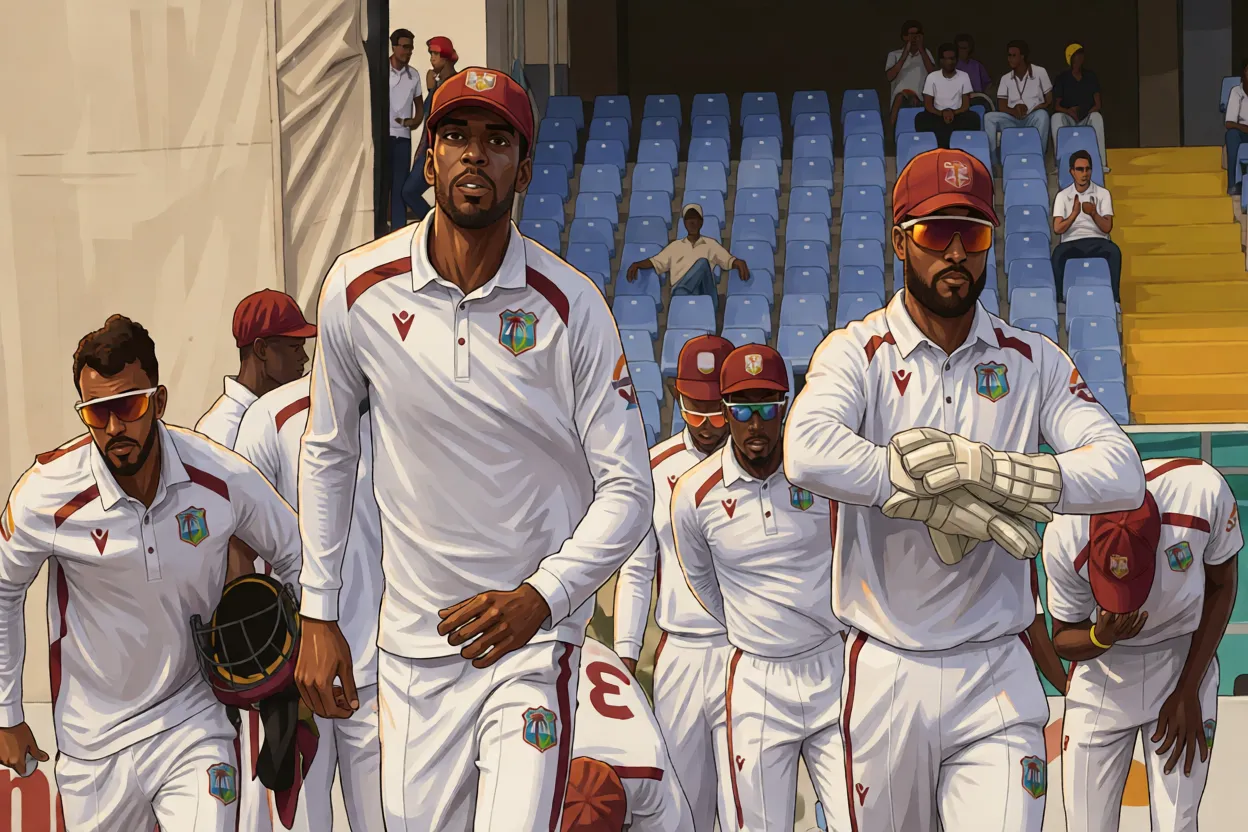
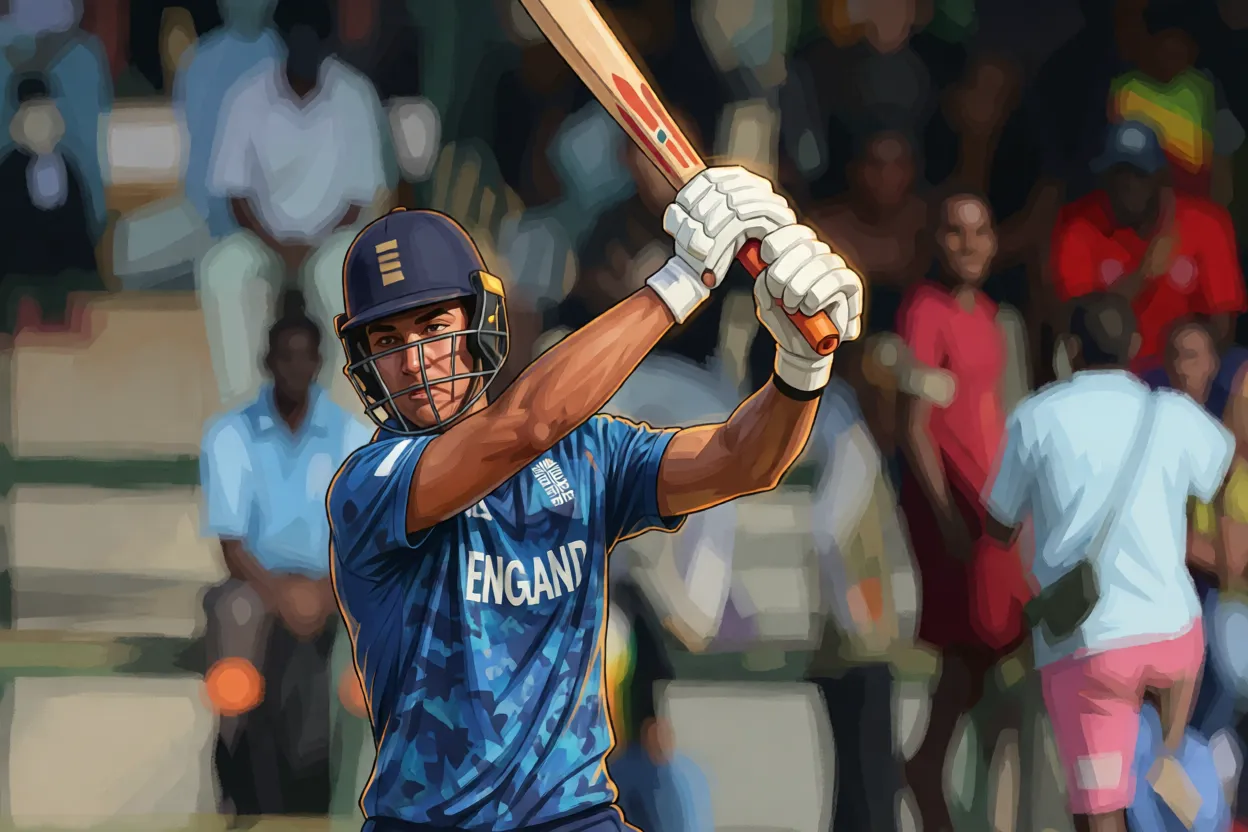
Watching the ECB manage these recurring cycles of drama is enough to make any reporter want to walk out on the job. Right now, we are observing a total binfire in the men’s Test circuit. It is messy, it is loud, and it serves as a massive distraction from the actual progress being made elsewhere in the sport. When a failing product occupies the spotlight, it naturally consumes every bit of air in the room. Every time the England men stumble over their own feet or produce a lackluster performance on the pitch, the headlines demand more content. We see this pattern weekly, with reports about poor batting averages and questionable bowling rotations that keep the narrative focused on frustration rather than development.
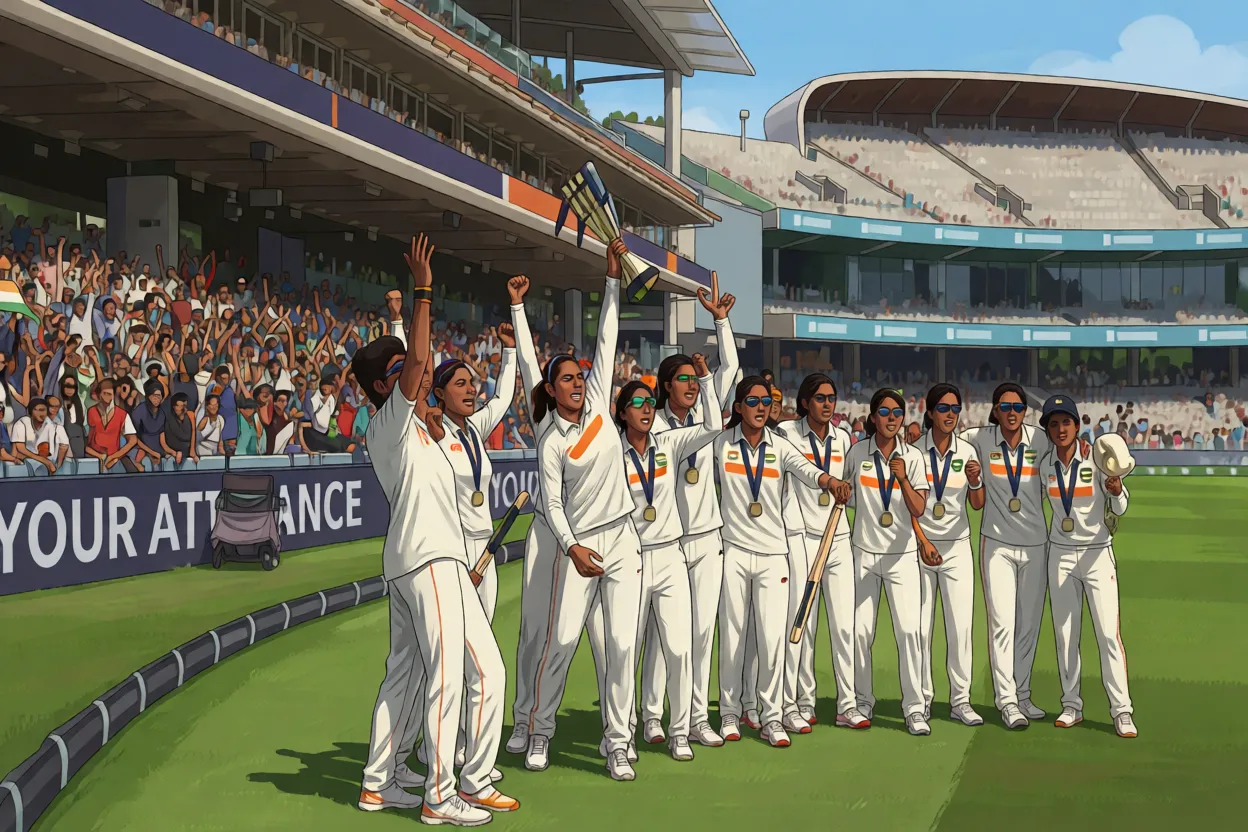
The ECB remains complicit in this cycle because they choose to fan these flames instead of dousing them. They let the chaos of men’s Test cricket dictate the entire national conversation. This current era of English cricket lacks balance. While we should be celebrating the hard-won progress in the women’s game, the media cycle treats it as an afterthought because success is not as “scandalous” enough to sell advertisements.
This creates a parasitic relationship between the two sides of the sport. The drama of the men’s game acts as a vacuum, pulling investment and attention away from projects that actually show promise. Instead of building a dual-track system where both genders thrive independently, we are stuck with a model where one side’s crisis dictates the other’s visibility. When sponsorship dollars are funneled toward fixing a broken men’s narrative, there is less capital available for the organic expansion of female cricket.
A Measurable Disparity in Coverage and Focus
If we look at how these two paths are treated by the press, the disparity becomes clear. In recent cycles, there has been an obvious push for greater participation among women. Yet, that momentum evaporates the moment the men’s team hits a slump. During these “crises,” female athletes receive almost no weight in the headlines. The media prefers to feed on the outrage of a failing male product rather than report on the steady climb of a successful female one.
The following table illustrates how coverage shifts when the men’s game enters a state of crisis:
| Metric | During Men’s “Binfire” | During Stable Growth Periods |
|---|---|---|
| Media Volume | Extremely High (Drama-focused) | Moderate (Progress-focused) |
| Sponsorship Focus | Crisis Management / Brand Damage | Expansion / New Markets |
| Narrative Tone | Outrage and Criticism | Development and Statistics |
| Women’s Visibility | Secondary / Peripheral | Primary / Independent |
The result is a lopsided environment. By allowing the men’s game to remain in a state of constant emergency, the ECB ensures that women’s cricket remains on the sidelines. We need a shift away from this reactive style of management. The sport cannot continue to let one side’s public failure dictate the growth potential of the other.