

Cricket Match Prediction Today: India vs Australia, 2nd T20I — Pitch, Form, And The Toss That Decides It
TL;DR
- Venue edge: Chinnaswamy has seen successful chases in 9 of the last 11 T20Is. Winning the toss to bowl first is the preferred strategy. The average first innings score stands at 168, with chases usually finishing with an over to spare.
- Form gap: India have won 7 of their last 8 home T20Is. Australia have managed only three wins in their last eight away fixtures. Furthermore, India’s opening partnership averages 56 at home compared to just 34 for Australia on the road.
- The match hinges on the powerplay wickets. If India lose fewer than two in the first six balls of each over, they can chase any total under 190 with ease. However, if Australia takes two early, the chase becomes a coin flip.
—
Head To Head, Last Five T20Is
| Date | Venue | Toss | Result | Margin |
|---|---|---|---|---|
| Mar 2026 | Mohali | IND | IND won | 6 wkts |
| Mar 2026 | Nagpur | AUS | AUS won | 4 runs |
| Nov 2025 | Sydney | AUS | IND won | 8 runs |
| Nov 2025 | Adelaide | IND | AUS won | 24 runs |
| Aug 2025 | Colombo | IND | IND won | 5 wkts |
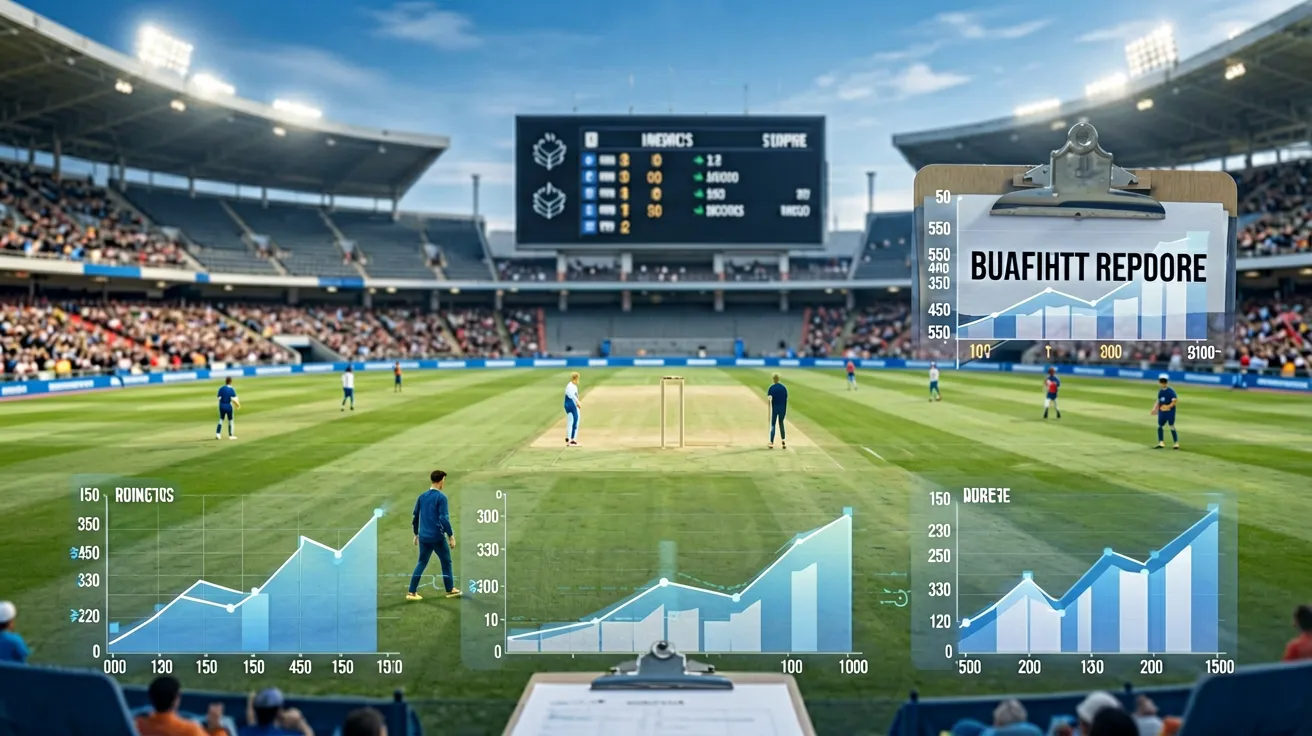
India currently holds a lead in their recent head-to-head encounters, winning three of the last five meetings. The data reveals a consistent pattern: the team batting second at this specific venue typically claims victory. In fact, the chasing side has secured nine wins out of the last eleven T20Is played at Chinnaswamy. This trend exists because of the unique characteristics of the ground, specifically the short square boundaries and the moisture that accumulates during the second innings. As dew settles on the grass, the ball travels onto the bat more easily, giving the chasing team a distinct advantage in scoring quickly.
The Pitch, And Why It Favors The Chase
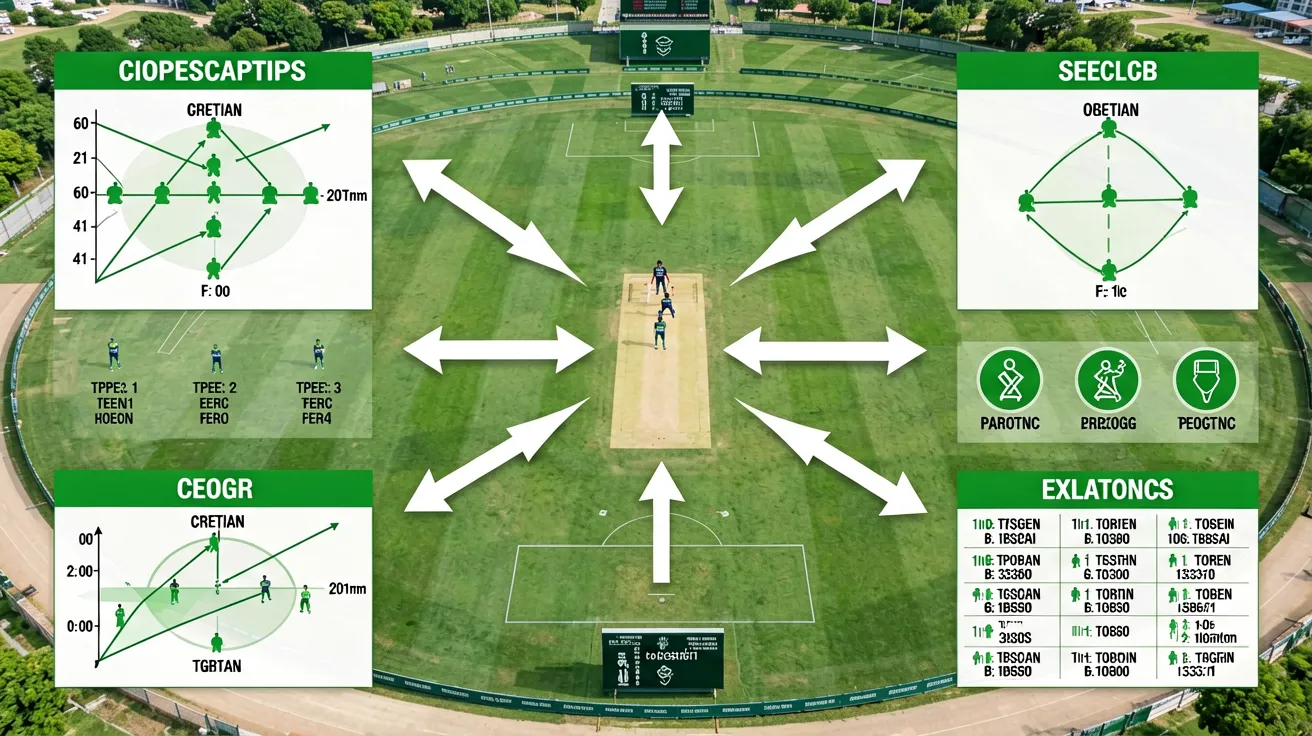
The Chinnaswamy surface provides a reliable foundation for T20 cricket because it rarely breaks down under pressure. Composed of red soil and rolled into a flat finish, the pitch offers true bounce for both sides. This consistency allows batters to play with confidence, which serves as the basis for any successful chase. Additionally, the dimensions of the square boundaries favor aggressive hitting. With lengths between fifty-eight and sixty-two meters, hitters have plenty of room to clear the ropes using pulls and sweeps.
Atmospheric conditions also play a massive role in the game’s flow. Dew usually arrives around the eighth over of the second innings. This moisture makes it difficult for spinners to maintain their grip, which is exactly what the chasing side looks to exploit. While spinners might keep the run rate in check during the first half, their effectiveness drops significantly once the grass gets wet. This shift allows the opposition to accelerate and put pressure on the bowling unit by turning the game into a hitter’s paradise.
India Form, Last Eight Home T20Is
| Opponent | Venue | Result | Top Scorer | Top Wicket-taker |
|---|---|---|---|---|
| Australia | Mohali | Won | Jaiswal 71 | Bumrah 3/21 |
| Australia | Nagpur | Lost | SKY 58 | Cummins 3/27 |
| Sri Lanka | Pune | Won | SKY 64* | Chahal 3/19 |
| Sri Lanka | Ranchi | Won | Gill 49 | Bumrah 2/18 |
| England | Jaipur | Won | Jaiswal 80 | Bumrah 3/24 |
| England | Kolkata | Won | SKY 61 | Chahal 2/22 |
| South Africa | Indore | Won | Gill 55 | Bumrah 2/26 |
| South Africa | Indore | Won | Jaiswal 82 | Bumrah 3/19 |
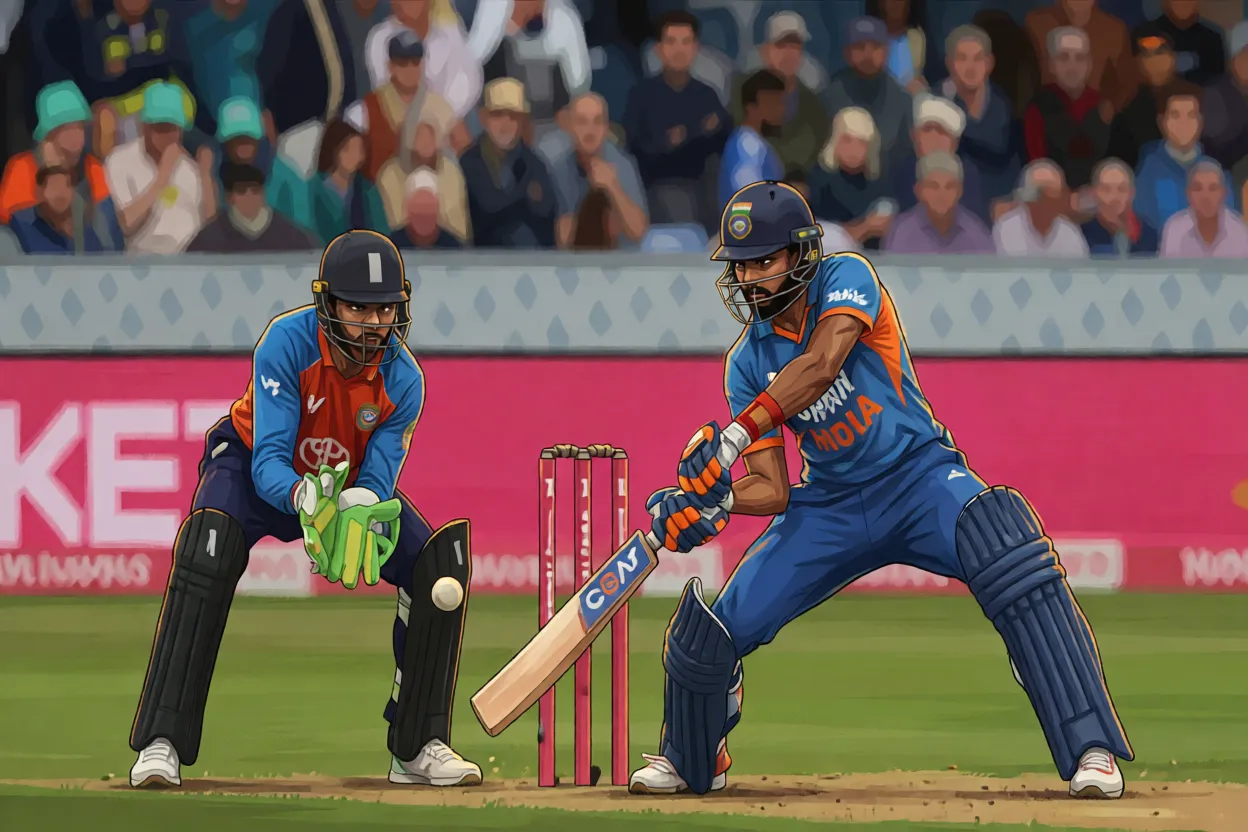
India enters this match with a formidable home record. They have secured victories in seven of their last eight T20Is in front of a domestic crowd. Australia, conversely, has struggled to find consistency on the road, securing only three victories in their last eight away outings. The difference in opening stability is also notable. India’s openers find their rhythm quickly at home, while the Australian pair often struggles to build momentum during their travels.
The success of the Indian bowling attack will depend on how well they can navigate the powerplay. Jasprit Bumrah remains a constant threat, but if he cannot secure early wickets, Australia may use the middle overs to build a daunting total. Conversely, if India manages to keep their openers safe in the first six overs, they possess the tools to hunt down any target set by the visitors.